In the realm of modern manufacturing, laser cutting technology stands out. Many industries rely on it for precision and efficiency. However, a common question arises: how accurate is laser cutting technology? Understanding this accuracy is essential for businesses considering its implementation.
Laser cutting benefits from advanced optics and automation, ensuring high precision in various materials. This technology can achieve intricate designs with minimal margins of error. Yet, the accuracy can vary depending on several factors. Material type, thickness, and machine calibration all play crucial roles. Users must consider these elements when assessing suitability for their projects.
The allure of laser cutting lies in its promise of perfection. While many applications benefit from its capabilities, some challenges remain. It's important to acknowledge potential discrepancies in outcomes. A thorough understanding of how accurate is laser cutting technology can guide informed decisions. Careful evaluation leads to optimal results and minimizes risks in production processes.
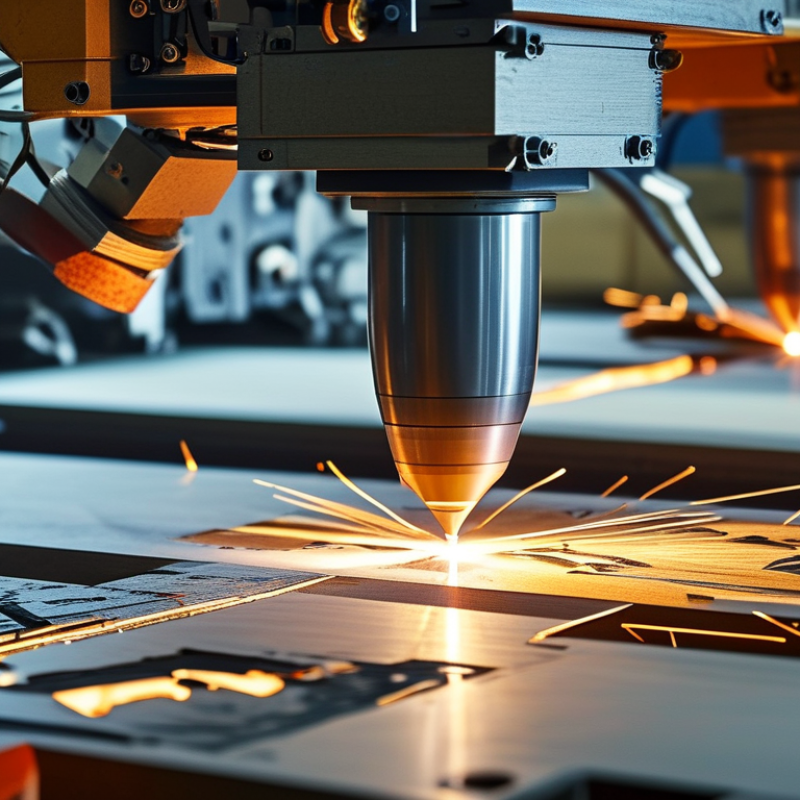
Overview of Laser Cutting Technology and Its Importance
Laser cutting technology has transformed various industries by delivering high precision and efficiency. This method uses focused laser beams to cut materials with remarkable accuracy. A report from the International Journal of Advanced Manufacturing Technology indicates that laser cutting can achieve tolerances as tight as ±0.01 mm. This level of precision is critical for sectors like aerospace and medical device manufacturing, where even minor deviations can be detrimental.
Moreover, its importance lies in enhancing productivity. A study by the American Society for Quality reported that laser cutting can increase production rates by up to 30% when compared to traditional methods. This efficiency allows manufacturers to meet tighter deadlines while maintaining quality. However, despite its advantages, the initial investment for laser cutting machines can be significant. Many companies struggle to justify this expense without a clear understanding of potential returns.
It's essential to reflect on the specific applications of laser cutting in your operations. While it offers high precision, not all materials are suitable for laser cutting. Thick metals may require more power, leading to potential burn or warping. Evaluating your needs against the technology's limitations is crucial. Balancing speed, quality, and cost will lead to smarter decisions in adopting this innovative technology.
How Accurate is Laser Cutting Technology for Your Needs?
| Laser Type |
Material Cut |
Thickness Range |
Precision (mm) |
Speed (m/min) |
Application Areas |
| CO2 Laser |
Wood, Acrylic |
Up to 20 mm |
0.05 |
8-12 |
Furniture, Signage |
| Fiber Laser |
Metal |
Up to 25 mm |
0.02 |
15-30 |
Automotive, Aerospace |
| YAG Laser |
Glass, Ceramics |
Up to 15 mm |
0.1 |
5-10 |
Medical, Electronics |
| Diode Laser |
Plastic |
Up to 10 mm |
0.1 |
10-15 |
Packaging, Prototyping |
Factors Affecting the Accuracy of Laser Cutting Processes
Laser cutting technology offers high precision, but its accuracy depends on several key factors.
Material type plays a significant role; different materials respond uniquely to laser power and focus.
For example, metals might absorb lasers differently from plastics. This variance can lead to discrepancies in cutting accuracy.
Additionally, surface texture affects the laser's interaction with the material. Ideally, smoother surfaces yield cleaner cuts.
Machine calibration is another crucial factor. Regular maintenance ensures that the laser aligns correctly.
A slight miscalibration can lead to errors. Operators’ skills and experience also influence outcomes. Skilled technicians can optimize settings based on specific projects.
However, even experienced operators face challenges, like adjusting for material variances on the fly.
Environmental conditions cannot be overlooked. Factors such as temperature and humidity can impact the laser’s performance.
Dust and debris in the air might interfere with the focused beam, diminishing accuracy. It's essential to consider these elements during the cutting process.
Recognizing and addressing these aspects can lead to better results. Ultimately, while laser cutting is an advanced technology, achieving perfect accuracy remains a work in progress.
Comparative Accuracy: Laser Cutting vs. Traditional Cutting Methods
Laser cutting technology has steadily gained traction across various industries. Its accuracy is one of the key factors driving its popularity. Reports indicate that laser cutting achieves tolerances of ±0.005 inches, which is significantly tighter than traditional saw cutting methods, typically offering ±0.03 inches. This precision makes laser cutting ideal for complex designs and intricate patterns.
However, traditional methods, like shear cutting, still hold ground for certain applications. While they might not match the laser system's precision, they can work well for simpler cuts. Cost-effectiveness is another layer to consider; traditional methods may prove cheaper for large production runs despite their lower accuracy levels. A survey by the Fabricators & Manufacturers Association indicates that nearly 40% of manufacturers prefer traditional methods for bulk jobs due to lower operational costs.
Despite its advantages, laser cutting isn't without challenges. It requires skilled operators to ensure quality and safety. As technology evolves, so does the learning curve for machine setup and maintenance. Each method has its strengths and weaknesses that are dependent on the specific needs of the project. Evaluating these factors helps businesses choose the right approach for specific applications.
Applications of Laser Cutting in Various Industries
Laser cutting technology has found diverse applications across various industries. In manufacturing, precision is crucial. Laser cutting allows for intricate designs that traditional methods struggle to achieve. For instance, the automotive sector utilizes lasers to create complex elements with high accuracy. This reduces waste and improves material efficiency, impacting production timelines positively.
In the aerospace industry, laser cutting is indispensable. Components like turbine blades require exceptional precision. A small error can lead to catastrophic results. Lasers offer a solution that meets these stringent standards. However, not every application may benefit equally from laser cutting. For basic shapes or thicker materials, alternative methods might be more practical.
The medical field also embraces laser technology. Surgical tools and implants often require precise cuts. Lasers ensure minimal damage to surrounding tissue. Yet, the initial setup for laser cutting can be costly. Organisations must weigh these factors carefully. Balancing precision and cost effectiveness is a key challenge. Each industry must reflect on their specific needs to choose the right approach.
Tips for Ensuring Precision in Laser Cutting Projects
Laser cutting technology offers remarkable precision, but achieving the desired accuracy requires careful planning and execution. Here are some tips to enhance the precision of your laser cutting projects.
One crucial aspect is material selection. Different materials react differently to laser cutting. For instance, acrylic can melt easily, leading to rough edges. On the other hand, metals often produce clean cuts. Test samples before the main project. This step can reveal how your material behaves under the laser.
Another tip is to pay attention to the design files. Ensure that your digital files are clean and free of unnecessary elements. Overly complex designs can lead to inaccuracies. Simple, well-defined shapes yield better results. Also, proper scaling is vital. Double-check dimensions before proceeding. Small errors can lead to significant discrepancies.
Finally, machine settings matter. Make sure you calibrate your laser cutter correctly. Adjust speed and power settings according to your material. Regular maintenance of the equipment can prevent issues that may arise from wear and tear. Logging settings for different materials helps in future projects, ensuring increasing accuracy each time. Embrace slight imperfections as learning opportunities to refine your technique.
Laser Cutting Accuracy: Factors Affecting Precision
FAQS
: Laser cutting technology uses focused laser beams to cut materials with high precision.
Precision is vital, especially in industries like aerospace and medical, where small errors can be critical.
Laser cutting can boost production rates by up to 30% compared to traditional cutting methods.
Material type, surface texture, machine calibration, and operator skill all influence cutting accuracy.
Different materials respond uniquely; some may melt or warp, affecting the final cut quality.
Regular calibration and maintenance of the laser cutter are essential for consistent performance.
Yes, factors like temperature, humidity, and dust may interfere with the laser's performance.
Ensure design files are clean and simple with accurate dimensions to avoid cutting inaccuracies.
Conduct tests with samples to understand how selected materials behave under the laser.
Embrace minor flaws as learning opportunities to improve future laser cutting techniques.
Conclusion
Laser cutting technology has become increasingly significant due to its precision and efficiency in a variety of applications. Understanding how accurate is laser cutting technology involves recognizing the multiple factors that can influence its performance, such as material type, thickness, and settings used during the cutting process. Compared to traditional cutting methods, laser cutting often offers superior accuracy, making it a preferred choice in industries ranging from manufacturing to art and design.
To maximize the precision of laser cutting projects, it is essential to consider various aspects, including proper machine calibration, appropriate material selection, and optimal cutting parameters. As industries continue to evolve, the demand for precise and intricate designs makes laser cutting an invaluable tool for modern production techniques.
 Datum Machine
