Datum Machine
Datum Machine
Datum Machine
Explore our high-performance industrial laser systems engineered for absolute precision and extreme reliability.
The global manufacturing sector is witnessing an unprecedented transition from mechanical tool processing toward photonics-based digital manufacturing. Laser processing systems, leveraging monochromatic, coherent, and highly focused light energy, have become the standard for modern material alteration. Across regions like North America, Western Europe, and East Asia, high-power fiber lasers have effectively replaced older punch-and-die presses, water jets, and manual plasma cutters.
This shift is driven primarily by the demands of the automotive electrification (EV), consumer electronics, aerospace, and renewable energy sectors. Today's manufacturing demands complex, precise components that conventional tools cannot physically execute without high tooling wear, high waste, and long cycle periods. Real-time software interfaces allow laser beams to alter their cutting and welding patterns in microseconds, introducing a level of agility that forms the cornerstone of Industry 4.0.
Furthermore, the international market is placing emphasis on carbon footprints and power-conversion efficiency. The transition from legacy gas-based CO2 lasers to high-efficiency semiconductor diode-driven solid-state fiber lasers has reduced average electricity consumption by nearly 70% per system. In high-density industrial fabrication environments, this translates directly to significantly lowered operational costs and alignment with international environmental directives.
Understanding the physics, optics, and engineering principles driving next-generation laser beam delivery.
Relying on a 10.6-micron wavelength, gas lasers initially drove the cutting of organic materials and thick carbon steels. While effective, they demanded high maintenance due to internal gas mix replenishments and mirrors alignment complexity.
Ytterbium-doped active fibers producing 1.06-micron wavelengths emerged, enabling high absorption rates in metals, direct delivery through flexible cables, and over 35% wall-plug efficiency compared to the 10% of CO2 lasers.
Integration of CO2 and Fiber lasers on a single hybrid head (such as our hybrid ±0.01mm cutting systems) allows manufacturers to process both metals and delicate non-metal polymer layers in one sequence without transferring workpieces.
Real-time optical sensors monitor the melt pool, adjusting focus height, gas dynamics, and power output on-the-fly to prevent micro-fissures, dross formation, and thermal deformation.
| Technology Spec | CO2 Laser Systems | Standard Fiber Lasers | Datum Hybrid / Fiber Solutions |
|---|---|---|---|
| Wavelength | 10.6 µm (Gas-excited) | 1.06 µm (Solid-state ytterbium) | 1.06 µm + Optional Dual Wavelength Integration |
| Wall-plug Efficiency | 8% - 12% | 30% - 35% | Up to 40% (Optimized Diode Array) |
| Focus Accuracy | ±0.1 mm | ±0.03 mm | ±0.01 mm (Closed-loop Linear drive) |
| Target Materials | Plastics, Wood, Acrylics, Steel | Carbon steel, SS, Aluminum, Copper | High-reflective metals, Polymers, Alloys, Thin foils |
A closer look at how modern sectors deploy advanced laser machinery in global production facilities.
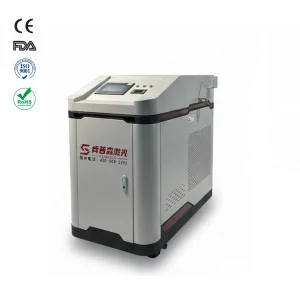
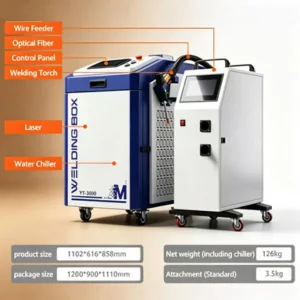
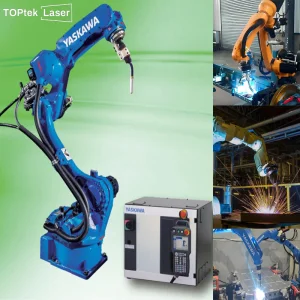
Welding copper contacts and lithium battery pack housings requires high precision and low heat transfer. Specialized systems like the 3000W hand-held laser and automated robotic arm units allow weld lines with minimal microstructural stress, avoiding heat-induced short circuits inside battery cells.
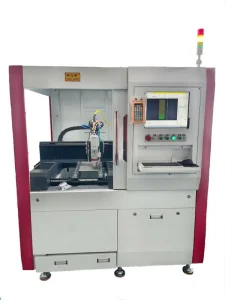
Micro-machining electronic components demands sub-millimeter clearances. The CO2/Fiber Hybrid cutting systems guarantee precision down to ±0.01mm, eliminating thermal ablation distortion on PCBs and ensuring edge quality without microscopic burring or delamination.
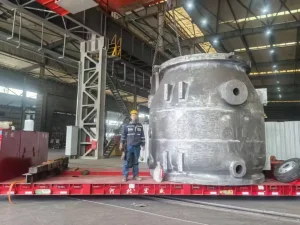
Heavy machinery frameworks, transport vessels, and civil structural components rely on stable, deep-penetration weld profiles. Fiber laser systems operating at higher wattages, supported by robotic manipulation, make single-pass welding on steel plates possible, significantly reducing weld prep and filler metal usage.
A trusted China automation laser cutting manufacturer specializing in fiber laser systems, CNC cutting solutions, and smart manufacturing equipment.
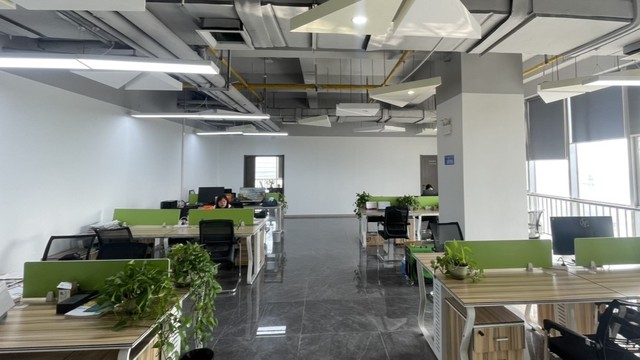
Shanghai Datum Machine Co., Ltd. is a professional China automation laser cutting manufacturer specializing in fiber laser cutting systems, CNC cutting solutions, and smart manufacturing equipment for global industrial customers. With extensive experience in advanced manufacturing technologies, we are dedicated to providing high-performance automation solutions that improve productivity, precision, and operational efficiency across a wide range of industries.
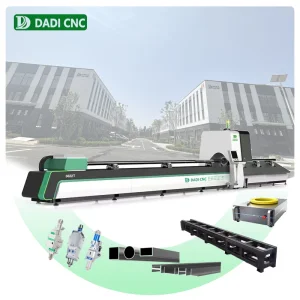
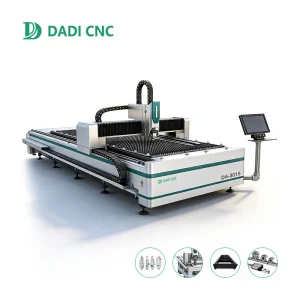
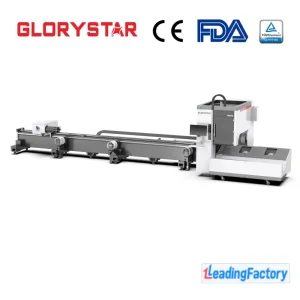
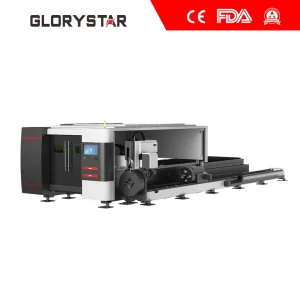
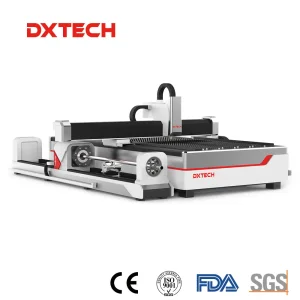
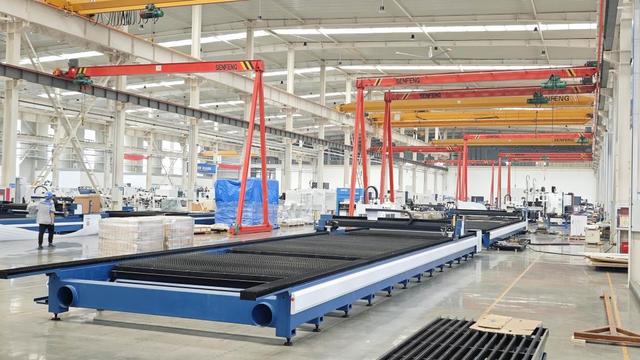
Our product portfolio includes fiber laser cutting systems, CNC laser cutting equipment, tube laser cutting machines, sheet metal processing solutions, robotic laser cutting systems, automated loading and unloading systems, laser production lines, and customized manufacturing automation solutions. Designed to meet the evolving demands of modern factories, our equipment delivers exceptional cutting accuracy, high-speed performance, reduced material waste, and reliable long-term operation.
At Datum Machine, innovation is at the center of our development strategy. Our engineering team continuously integrates intelligent control technologies, automation systems, and advanced manufacturing concepts to help customers build more efficient and flexible production environments. From standalone laser cutting equipment to fully integrated smart factory solutions, we provide comprehensive support tailored to each customer's production requirements.
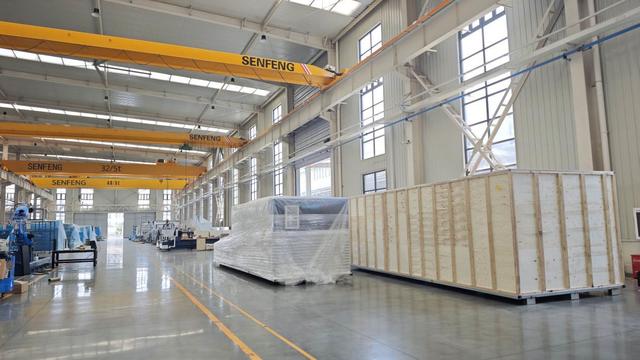
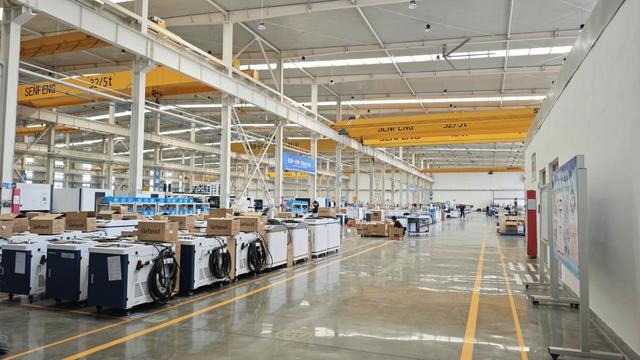
Quality and reliability are fundamental to our manufacturing philosophy. We maintain strict quality control procedures throughout design, production, testing, and delivery to ensure every system meets international performance and safety standards. Our modern manufacturing facilities and experienced technical team enable us to provide consistent quality and dependable service for customers worldwide.
Serving clients across automotive, metal fabrication, machinery manufacturing, construction, aerospace, electronics, and industrial processing sectors, Shanghai Datum Machine Co., Ltd. has established a strong reputation for advanced technology, customized solutions, and responsive customer support. We are committed to becoming a trusted global partner in automation laser cutting, helping manufacturers achieve higher efficiency, smarter production, and sustainable growth through innovative laser processing technologies.
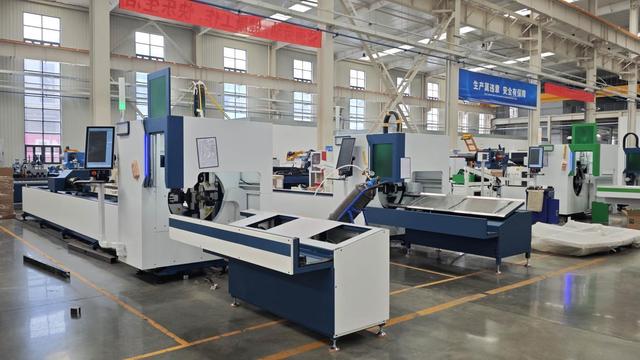
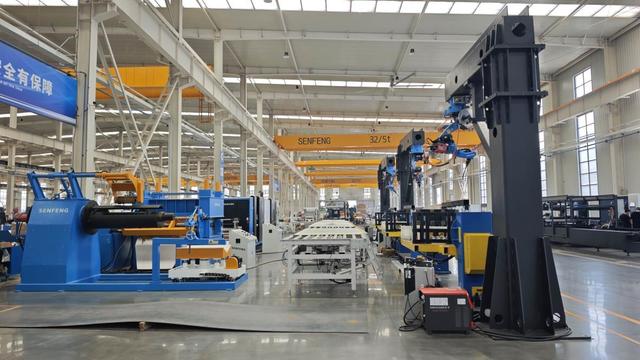
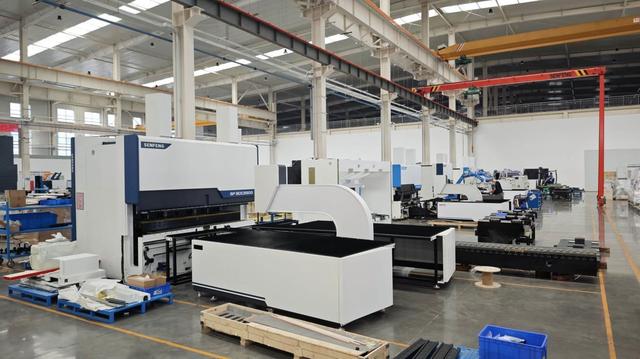
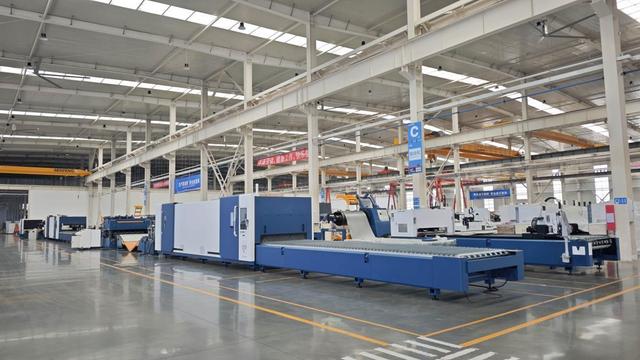
Complete manufacturing solutions, high speed tube cutters, and specialized post-processing grinding mills.
Operating stand-alone machinery is no longer sufficient to sustain a competitive margin. The modern production landscape demands continuous process flows. By interfacing robotic load-unload cells with our CNC cutting tables, sheet metals are picked, aligned, processed, and stacked without human intervention. This setup minimizes risk of physical panel distortion while ensuring the laser operates at near 100% capacity cycles.
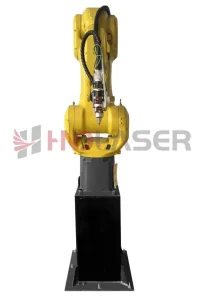
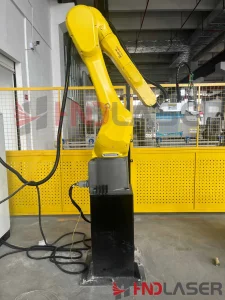
Our robotic welding integration uses multi-axis robotic arms coupled with custom PLC controls to deliver high spatial precision across complex 3D paths. The robot’s movement is synchronized with the laser driver, altering energy output to match linear velocity, preventing overheat at sharp corners.
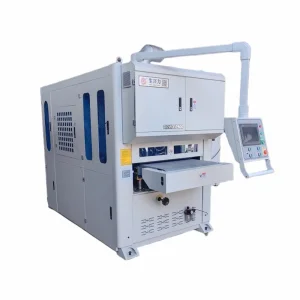
Post-processing is another area of concern. After laser cutting, slag, oxidation, or burrs on edge cuts can interfere with downstream processes like welding or paint adhesion. This is why integration of specialized grinding polishers directly following laser processing prevents quality issues, streamlining the path from raw metal plate to assembly-ready components.
Get professional feedback on operating parameters, machinery choices, and manufacturing workflows.