Datum Machine
In today's highly competitive manufacturing landscape, the need for efficiency is paramount. Automated fabrication emerges as a key solution to boost productivity. Industry expert Dr. Emily Carter emphasizes, "Automation not only enhances speed but also precision in production." This sentiment underscores the critical role of technology in modern fabrication processes.
Understanding how to increase productivity with automated fabrication involves recognizing its benefits. Automation reduces human error and accelerates production timelines. For instance, robotic systems can handle repetitive tasks quickly, freeing up human workers for more complex roles. However, integrating automation isn't always seamless. Companies must invest time in training and adapting their workflows.
Reflecting on these challenges reveals room for improvement. Many organizations struggle to fully utilize automated systems. This gap highlights the importance of continuous learning and adaptation. Embracing automated fabrication can be transformative, yet it requires commitment and strategic planning to realize its full potential.
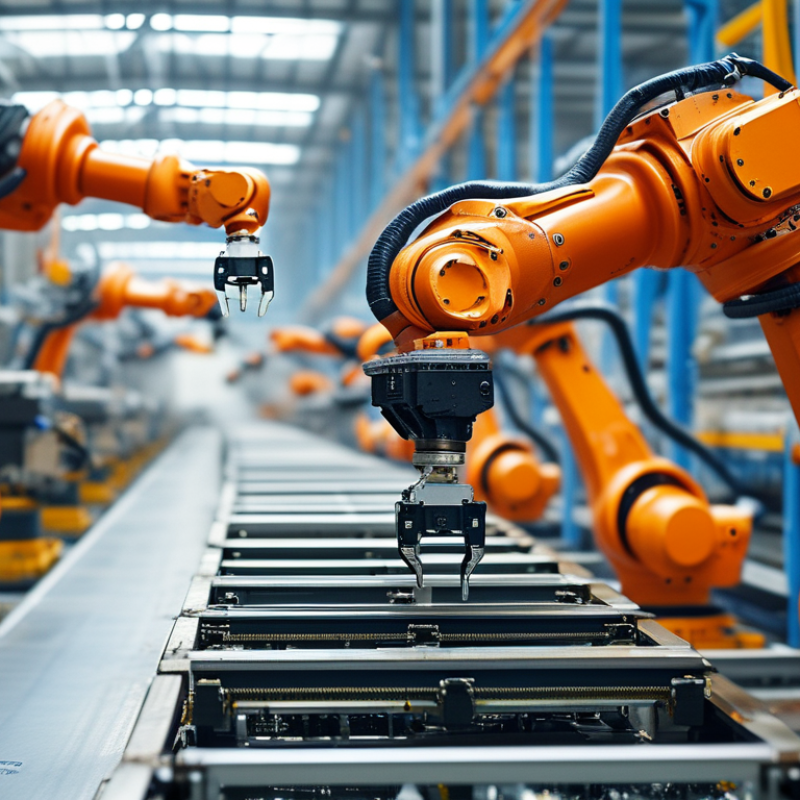
Automated fabrication is revolutionizing modern manufacturing. It significantly enhances productivity by minimizing manual labor. With automation, manufacturers can produce items more quickly and with higher precision. This leads to less waste and improved product quality.
One major benefit is the reduction of human error. Automated systems follow precise instructions, ensuring consistency in production. This reliability is crucial in industries demanding high accuracy, like aerospace and healthcare. While machinery may fail, quick maintenance can prevent downtime. It’s essential to have contingency plans in place.
Tips: Invest in training for operators. Even automated systems need human oversight. Understanding how to troubleshoot issues can save time. Additionally, regularly evaluate your processes. Are there areas where automation could enhance efficiency further? Consider integrating advanced technologies for continuous improvement.
Automated fabrication leverages advanced technologies to enhance productivity in manufacturing processes. Key innovations like robotics, 3D printing, and AI-driven software play crucial roles in improving efficiency. For instance, robotics can operate non-stop, reducing manual labor and minimizing errors. This allows workers to focus on more strategic tasks, enhancing overall workplace efficiency.
3D printing stands out for its ability to produce complex components quickly. It reduces the need for multiple machinery setups. However, companies must consider material limitations. Design choices may restrict options, leading to a reconsideration of how products are created. Additionally, initial investment costs can be high, though the long-term benefits often outweigh these challenges.
AI-driven software optimizes production schedules and monitors machine performance in real time. This technology provides valuable insights, identifying potential bottlenecks. Yet, reliance on algorithms may lead to oversights if not regularly reviewed. Human oversight is essential to ensure qualitative outcomes that automated systems might miss. Balancing automation with skilled human input remains crucial for sustained productivity enhancements.
Automated fabrication significantly enhances workforce productivity. This technology streamlines processes, allowing workers to focus on higher-value tasks. Traditional methods can be slow and prone to errors. In contrast, automation brings precision and efficiency to production lines. Labor tasks that took hours can now be completed in minutes.
Tip: Invest in training for your employees. Understanding automated systems is crucial for maximizing productivity. Workers who are adept at using this technology will navigate challenges more effectively.
Despite its benefits, automated fabrication requires reflection. Some workers may feel threatened by machines. This can create resistance to change. Open dialogues about automation's role can ease anxieties. Educating teams about the advantages fosters a collaborative environment.
Tip: Encourage feedback from your workforce. Their experiences can provide valuable insights. This can guide improvements in the automated process. Engaging employees in this way enhances morale and productivity. Balancing technology and human input leads to optimal results.
Automated fabrication has transformed various industries. Case studies show significant boosts in productivity. For instance, one manufacturing plant reduced production time by 30% after implementing automated systems. Operators reported fewer errors, leading to higher quality products. This case highlights how automation can streamline workflows.
Another intriguing example comes from the construction sector. A company that adopted automated fabrication for modular homes experienced a 25% decrease in construction time. The integration of technology allowed for better resource management. Workers were also able to focus on tasks requiring human ingenuity rather than repetitive tasks, enhancing overall job satisfaction.
However, implementing automated solutions isn't always seamless. Some companies faced initial resistance from staff. Training needs and adaptation periods created hurdles. Reflections on these cases reveal the importance of gradual integration and staff involvement. A thoughtful approach can lead to successful automation without disrupting workplace dynamics.
The landscape of automated fabrication is rapidly evolving. As industries embrace technological advancements, productivity enhancement becomes a focal point. Robots and advanced machinery are taking over repetitive tasks. This shift frees up human workers for more complex responsibilities. As we look ahead, the integration of artificial intelligence is set to play a critical role. AI can analyze production patterns and optimize processes in real time. This synergy between human creativity and machine efficiency is changing the game.
However, transitioning to automated fabrication comes with challenges. Workforce training is essential for smooth integration. Some employees may resist adopting new technology. It’s vital to address these concerns through education and hands-on experience. By fostering a culture of innovation, companies can minimize resistance and maximize effectiveness. Additionally, the initial investment can be daunting. Yet, understanding long-term benefits is crucial for decision-making. Technology should complement human effort. Finding that balance will ultimately determine success.
While automated systems promise greater efficiency, flaws are inevitable. Technical glitches can disrupt production lines. Companies must remain agile in addressing these issues. Continuous improvement and feedback loops are vital for success. Embracing this iterative process allows businesses to refine their automated systems. As we explore future trends, the importance of adaptability cannot be overstated. The ability to pivot in response to challenges will define the leaders in this ever-changing landscape.
: Automated fabrication is a manufacturing process that uses machines to produce items with minimal manual labor.
It speeds up production and enhances precision, allowing workers to concentrate on more complex tasks.
Less human error results in consistent product quality and reduced waste, especially in precise industries.
Companies should invest in employee training to ensure effective use of automated technologies.
Open conversations about automation's benefits can alleviate concerns and enhance team collaboration.
Ongoing evaluation helps identify further areas for efficiency and improves overall productivity in the automated context.
Successful cases show the need for gradual integration and staff involvement to minimize disruption.
When workers engage with technology, they can focus on innovative tasks, boosting overall job satisfaction.
Initial resistance from employees and adaptation periods can pose challenges during implementation.
Continual feedback from employees can provide insights that enhance automated processes.
Automated fabrication represents a transformative approach in modern manufacturing, offering numerous benefits that significantly enhance productivity. By streamlining processes, reducing human error, and enabling rapid production cycles, automated systems contribute to greater efficiency across various manufacturing sectors. Key technologies such as robotics, advanced software, and 3D printing are at the forefront of this evolution, making it essential for businesses to embrace these innovations to remain competitive.
The implementation of automated fabrication not only optimizes production but also positively impacts workforce productivity by reallocating human resources to more strategic tasks. Case studies highlight successful transitions where companies have dramatically increased output while maintaining quality. Looking ahead, trends such as artificial intelligence and the integration of IoT are expected to further shape the landscape of automated fabrication, providing invaluable insights on how to increase productivity with automated fabrication. As these technologies advance, they will continue to play a pivotal role in enhancing operational efficiency and driving growth in the manufacturing sector.
