Datum Machine
Fiber laser technology is revolutionizing various industries. This technology offers notable advantages that can significantly enhance business operations. According to a recent report by MarketsandMarkets, the global fiber laser market is expected to grow to $5 billion by 2025, highlighting the increasing adoption of this technology.
Experts agree on the array of benefits it brings. Dr. John Smith, a renowned laser technology specialist, commented, "What are the advantages of fiber laser technology? The speed and precision it provides are unmatched." Such statements from industry professionals underline the efficiency fiber lasers bring to manufacturing processes. Beyond speed, fiber lasers require less maintenance and energy than traditional systems.
Despite these advantages, some businesses are hesitant to adopt new technologies. Costs and training can be barriers. However, the long-term savings and productivity gains often outweigh these initial obstacles. Understanding what fiber laser technology can do is pivotal for staying competitive. As industries evolve, leveraging this technology can provide essential support for growth and innovation.
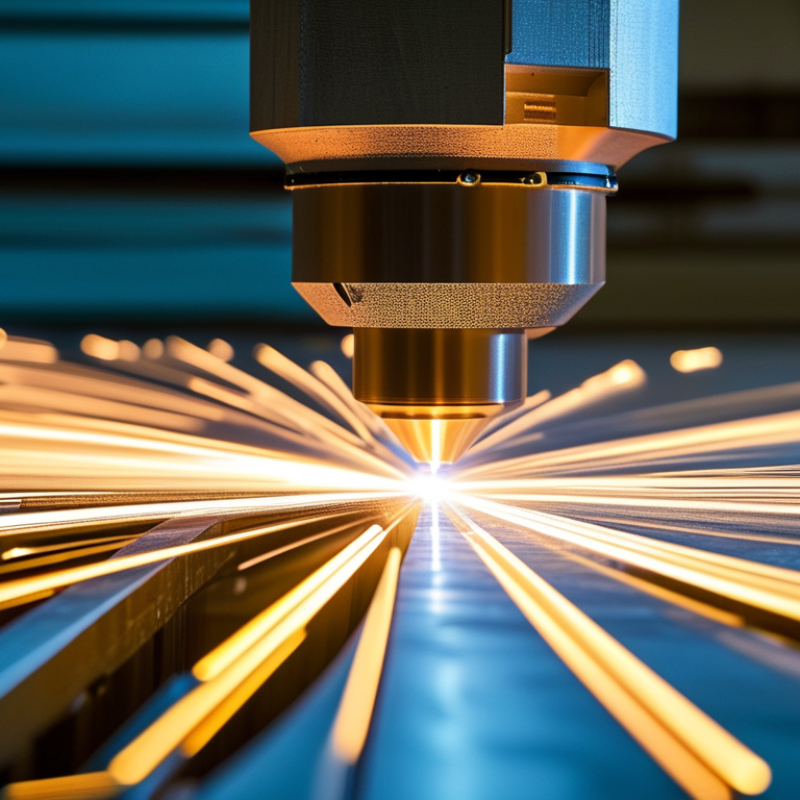
Fiber laser technology stands out as a game changer for industrial automation. It offers excellent precision and speed in manufacturing processes. Businesses can achieve clean cuts and high-quality engravings with minimal waste. This efficiency can lead to cost savings over time.
However, the implementation of fiber lasers can be challenging. Some workers may require training to operate the new systems effectively. An adjustment period may be necessary, leading to temporary dips in productivity. It’s essential for companies to plan for these transitions, ensuring a smooth integration into existing workflows.
Moreover, the initial investment in fiber laser technology may be significant. Companies need to assess their financial resources and potential return on investment. While the technology promises several advantages, not every business might see immediate gains. Careful consideration and strategic planning remain crucial to fully unlock the benefits of fiber lasers in industrial settings.
Fiber laser technology has emerged as a game-changer for businesses, particularly in cost efficiency. Companies utilizing fiber lasers can experience a significant reduction in operational expenses. Reports indicate that these lasers can consume up to 75% less energy compared to traditional cutting methods. This translates directly into lower electricity bills, enhancing overall profitability.
Maintenance costs also see a remarkable decrease. Fiber lasers boast a longer operational lifespan, with fewer moving parts requiring service. The American Society for Quality estimates that maintenance can account for up to 20% of operational costs in manufacturing. However, businesses using fiber lasers often report maintenance costs being cut by as much as 40%. This substantial saving can be directed toward innovation or other essential areas of the business.
Additionally, the precision of fiber lasers reduces waste material, leading to further cost savings. According to industry studies, the waste reduction can be up to 25%, which lowers raw material expenses. Companies are not only saving money but also enhancing their sustainability practices. While the initial investment for fiber laser technology may be high, the long-term financial benefits reveal a compelling reason for businesses to adopt this technology. Evaluating these costs can lead to a deeper understanding of capital allocation and resource management.
Fiber laser technology has revolutionized manufacturing processes by significantly enhancing precision. A study by the International Laser Manufacturing Association reports that fiber lasers can achieve cutting tolerances of up to ±0.1 mm. This level of precision allows businesses to minimize waste and reduce the need for rework, which can save substantial costs. The ability to cut and engrave materials with such accuracy also boosts product quality, ensuring that each item meets stringent specifications.
Moreover, fiber lasers operate at higher speeds than traditional laser systems, facilitating faster production cycles. According to a recent market analysis, companies that implemented fiber laser systems reported productivity increases of up to 30%. This efficiency allows manufacturers to respond more swiftly to market demands while maintaining rigorous quality control. However, some businesses may face challenges in adapting to this advanced technology. Training staff to manage and maintain fiber laser systems can require time and investment.
Ultimately, while the potential benefits of enhanced precision are clear, organizations must assess their readiness for this transition. The initial costs and the need for skilled operators pose considerations that cannot be overlooked. Nevertheless, the move towards fiber laser technology can lead to substantial long-term gains in quality control and operational efficiency.
Fiber laser technology offers remarkable versatility across various industries. Its applications range from cutting and engraving to welding and marking. In automotive manufacturing, fiber lasers provide precision cutting of metal components. This results in smoother finishes and reduced waste, enhancing efficiency. Similarly, in the aerospace sector, they ensure lightweight and durable materials are crafted with accuracy.
The medical industry benefits significantly from fiber lasers as well. They are used in surgical procedures for their precision and minimal invasiveness. This technology helps reduce recovery time for patients. However, the initial investment for fiber laser systems can be high, posing a challenge for small businesses. There is also the learning curve associated with this advanced technology, which may require training.
In the jewelry industry, fiber lasers allow for detailed engraving. Artisans can create intricate designs that were previously difficult or impossible to achieve. Yet, adaptability is key. Businesses must constantly evaluate their techniques and technology to stay ahead. While fiber lasers present numerous benefits, they also demand ongoing assessment and adjustment to fully realize their potential.
Fiber laser technology has revolutionized production processes across various industries. One of the most significant advantages is its speed. Studies from industry experts indicate that fiber lasers can operate at up to five times the speed of traditional cutting methods. This increased speed not only reduces production times but also allows businesses to meet higher output levels. Companies can achieve more in less time, streamlining their operations and maximizing throughput.
Efficiency is another critical benefit of fiber laser technology. Reports show that fiber lasers consume less energy compared to other laser types. According to recent analyses, fiber lasers can operate at up to 30% lower energy costs. This efficiency translates into reduced operational expenses for businesses. Nevertheless, some companies may face a learning curve when adopting this technology. Training personnel to effectively use fiber lasers requires time and investment.
Reliability is essential in any production environment. Fiber lasers are known for their durability and minimal maintenance requirements. According to data, these lasers can operate continuously for long periods without downtime. However, this does not eliminate potential issues. Regular maintenance is still necessary to ensure optimal performance. With the right approach, businesses can leverage fiber laser technology to enhance productivity while maintaining cost-effectiveness.
: Fiber lasers can reduce operational expenses significantly, cutting energy consumption by up to 75%.
Maintenance can decrease by up to 40% with fiber lasers due to fewer moving parts and longer lifespans.
They can lower waste material by up to 25%, which decreases raw material expenses.
They are utilized in automotive, aerospace, medical, and jewelry industries for cutting, engraving, and welding.
They provide precision in surgeries, leading to less invasiveness and shorter recovery times for patients.
Yes, the high initial cost can be a barrier, along with the need for staff training.
Continuous assessment of techniques is essential to maximize the benefits of fiber laser technology.
Yes, less waste and reduced energy consumption enhance both profitability and sustainability practices.
There can be a learning curve and adjustments needed to fully utilize fiber laser capabilities.
Not necessarily; ongoing evaluation is crucial to determine the best fit for specific needs.
Fiber laser technology offers numerous benefits for businesses, significantly enhancing industrial automation. One of the key advantages is cost efficiency, as it reduces operational and maintenance expenses, making it a more economical choice for manufacturers. Additionally, fiber lasers provide improved precision, which enhances quality control in manufacturing processes. This level of accuracy leads to better product outcomes and reduces waste.
Moreover, the versatility of fiber laser applications across various industries showcases their adaptability, catering to the specific needs of different sectors. Lastly, speed and efficiency are paramount benefits, as fiber lasers accelerate production times and increase output levels. In summary, when considering what are the advantages of fiber laser technology, businesses can expect improvements in efficiency, precision, and overall cost-effectiveness, making it a valuable investment for modern manufacturing.
