Datum Machine
Automated laser cutting systems have revolutionized various industries, enhancing precision and efficiency. Experts estimate that the global laser cutting market will reach $5 billion by 2026. Industries such as automotive, aerospace, and metal fabrication lead this technological shift. According to Dr. Jane Smith, a leading expert in manufacturing technologies, "Understanding what industries use automated laser cutting systems ensures we can innovate and apply this technology effectively."
Precision and adaptability are key advantages of automated laser cutting. For instance, the automotive industry benefits from the ability to cut intricate designs in less time. In metal fabrication, laser systems improve material yield and reduce waste. Companies can scale production without compromising quality.
However, the adoption of this technology is not without challenges. Initial setup costs can be high, and operators require adequate training. Moreover, maintaining safety protocols is critical. As industries continue to explore these systems, a balanced approach will ensure sustainability and growth. Understanding what industries use automated laser cutting systems is vital for future advancements.
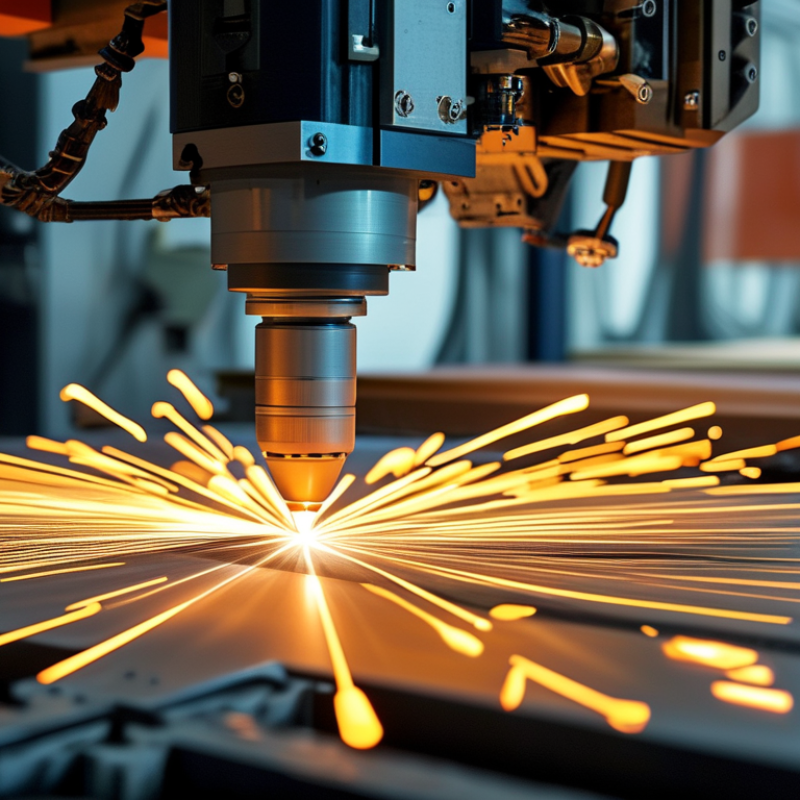
Automated laser cutting systems are revolutionizing manufacturing processes across various industries. These systems offer precision cutting with minimal waste. The technology enhances productivity and reduces costs, allowing companies to stay competitive.
In automotive manufacturing, for instance, laser cutting simplifies complex designs. Parts can be produced quickly with high accuracy. This facilitates faster assembly and reduces labor costs. In metal fabrication, the system cuts metals of varying thicknesses. It minimizes post-processing work, leading to a more efficient workflow.
Tips: Focus on system maintenance. Regular checks ensure it operates at peak efficiency. Explore training options for staff to maximize system use. Learning curves can be steep, but the long-term benefits are profound. Assess your production needs carefully before implementation. Mistakes may lead to wasted resources. Consider starting with a pilot project to gauge effectiveness.
The adoption of automated laser cutting technology has surged in various industries. Reports indicate that the global laser cutting market is expected to reach $7.72 billion by 2025, driven largely by advancements in manufacturing processes. Industries like automotive, aerospace, and medical are at the forefront of this trend. These sectors value precision and efficiency, both of which laser cutting offers.
In the automotive industry, laser cutting enables intricate designs in both the interior and exterior components. It allows manufacturers to create lightweight parts, which contribute to fuel efficiency. Meanwhile, the aerospace sector benefits from the ability to cut through high-strength materials with minimal waste. Notably, a recent survey revealed that 68% of aerospace firms have successfully implemented laser cutting technology, improving their production capabilities.
Tips: Consider starting with small projects to familiarize your team with laser cutting. Collaborating with experienced professionals can facilitate smoother transitions. Always evaluate the equipment’s compatibility with your materials to ensure optimal performance. As industries evolve, continuous learning and adaptation remain crucial in maximizing laser cutting benefits.
Laser cutting systems have transformed the manufacturing and fabrication landscape. They are an essential tool across various industries. A recent report by MarketsandMarkets indicates that the laser cutting market is projected to reach $5.5 billion by 2026, driven by increasing demand for precision and customization.
Manufacturers in sectors like automotive, aerospace, and electronics frequently rely on laser cutting. This technology allows for intricate designs with minimal material waste. The aerospace industry, for example, demands high precision. Reports indicate that laser cutting reduces production time by up to 30% in this sector.
Tip: Ensure the right settings for optimal results. Adjust power and speed according to material type. This simple change can enhance efficiency significantly.
In addition, the use of laser cutting in the metal fabrication industry is on the rise. A survey by IBISWorld found that the demand for laser-cut metal components increased by 22% in the past five years. The speed and accuracy of laser systems are vital in producing quality products.
Tip: Regular maintenance of the laser cutting system is essential. It prevents breakdowns and ensures consistent performance.
While these systems offer benefits, challenges exist. Training operators effectively remains crucial. Without proper knowledge, operators may compromise quality and safety. Continuous advancements in laser technology require ongoing education to maximize capabilities.
The automated laser cutting industry is set for substantial growth by 2026. Various sectors are adopting this technology due to its precision and efficiency. A report from Research and Markets estimates the laser cutting market will reach $5.64 billion by 2027, growing at a CAGR of 5.5%. This trend indicates a strong shift towards automation in manufacturing processes.
In the automotive sector, automated laser cutting systems enable intricate designs while maintaining high production rates. According to a recent study, over 70% of automotive manufacturers are investing in automation technologies. This transition is driven by the need for cost efficiency and reduced waste. However, companies often face challenges such as integration with existing systems and worker training for new technologies.
The aerospace industry is also experiencing similar changes. Laser cutting offers lightweight components and reduces production defects. A report by TechNavio states that the aerospace segment is expected to grow at a CAGR of 6% in laser applications. Yet, the reliance on automation can create potential job displacements. Balancing innovation with workforce needs remains a critical concern.
The adoption of automated laser cutting systems is on the rise across various industries. However, companies face unique challenges with this technology. One major concern is the initial investment cost. Reports indicate that laser cutting equipment can require significant capital. Companies must weigh this expense against potential long-term savings from improved efficiency.
Another consideration is workforce training. Skilled operators are essential to fully utilize laser cutting capabilities. Studies show that industries with robust training programs see up to a 30% increase in productivity. This highlights the need for companies to invest not only in technology but also in their workforce.
Tips: Regularly assess the skill levels of your staff. Create training sessions to enhance their proficiency. Additionally, assess the machine's performance to identify areas for improvement. This reflective practice can help companies adapt better to the evolving technology landscape.
Compatibility with existing systems poses another challenge. The integration of new laser cutting systems often requires adjustments to workflows. Data suggests that up to 25% of projects can face delays due to integration issues. Companies should plan thoroughly before implementing changes to ensure smoother transitions. Improving communication between teams is crucial for overcoming these obstacles.
: The automotive, aerospace, and medical industries are leading this trend.
It enables intricate designs and creates lightweight parts, enhancing fuel efficiency.
It can cut high-strength materials with minimal waste, improving production capabilities.
A survey shows that 68% of aerospace companies are using this technology.
Evaluate equipment compatibility with materials and start small projects for familiarization.
It is projected to reach $7.72 billion by 2025, indicating strong future demand.
Companies struggle with system integration and training for new technologies.
It is expected to grow at a CAGR of 6%, indicating strong future investment.
Automation may lead to job displacement, highlighting the need for workforce balance.
It ensures companies maximize the benefits of laser cutting amidst evolving industry demands.
Automated laser cutting systems have revolutionized various sectors by offering precise, efficient, and versatile cutting solutions. Key industries that leverage this technology include manufacturing, automotive, aerospace, and electronics, where the ability to cut intricate designs with high accuracy is paramount. The applications of laser cutting span across manufacturing and fabrication processes, enhancing productivity and reducing material waste.
Looking ahead, future trends in automated laser cutting indicate a shift towards increased automation and integration with AI, promising even greater efficiency. However, industries must also navigate challenges such as equipment costs, training requirements, and maintaining operational effectiveness. Understanding what industries use automated laser cutting systems can help stakeholders assess the potential benefits and implementation strategies for this advanced technology in their operations.