 Datum Machine
Datum Machine
Datum Machine
Investing in laser cutting equipment is a significant decision for any business. This technology can streamline production and enhance precision. However, what should businesses consider before investing in laser cutting equipment?
The first aspect is cost. Laser cutters can be a substantial investment, often requiring a thorough budget analysis. Businesses must assess initial costs, maintenance, and potential downtime expenses. Additionally, understanding the return on investment is crucial. Will the equipment increase efficiency? How long will it take to see these benefits?
Another crucial consideration is skill level. Employees must be trained to operate this equipment effectively. Companies often underestimate the ramp-up time for training. The quality of training and the availability of support are vital. Finally, it’s essential to evaluate the specific applications needed. Not every laser cutter fits every task. Misalignment can lead to operational inefficiencies. This requires introspection on what capabilities are necessary for our specific manufacturing goals.
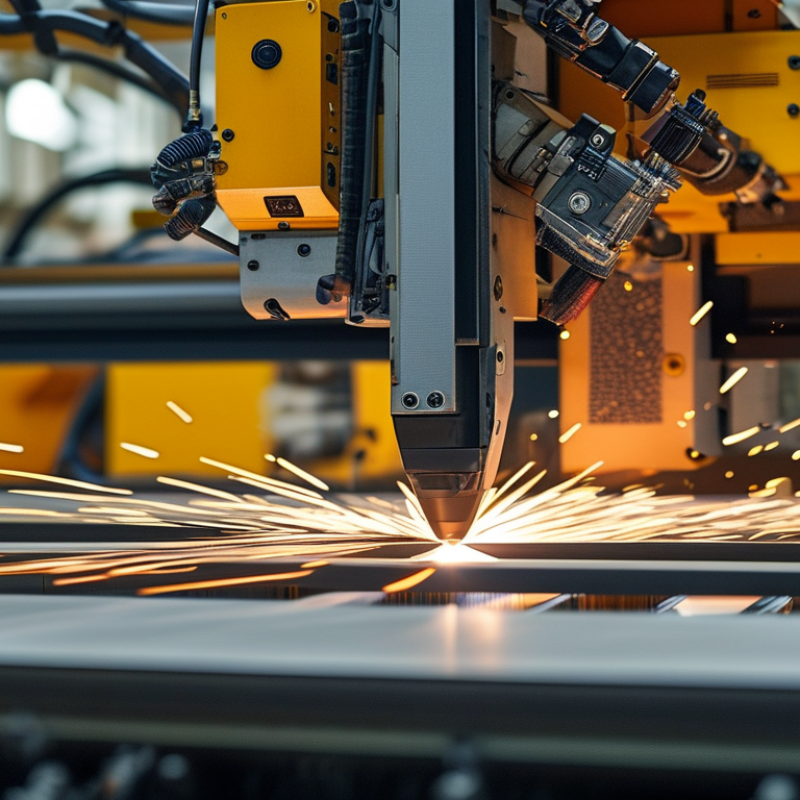
Laser cutting technology is a precise method used across various industries. It works by directing a high-powered laser beam onto materials. This beam melts, burns, or vaporizes the material. The result is high-quality cuts with minimal distortion. Many businesses find this technology beneficial for creating complex shapes and intricate designs.
Understanding the basics of this technology is crucial for businesses considering an investment. The type of laser, power, and material compatibility are vital factors. For example, CO2 lasers are commonly used for organic materials. Fiber lasers work well with metals. The choice greatly impacts production efficiency.
Moreover, businesses must consider their unique needs. For instance, they should evaluate material thickness and cutting speed. Potential limitations in operation should not be overlooked. High initial costs may cause hesitation, but the potential for automation and increased efficiency can offset these expenses. Investing in laser cutting equipment requires careful thought and analysis of these fundamental aspects.
| Consideration | Details |
|---|---|
| Budget | Determine the total cost including equipment, maintenance, and operation costs. |
| Material Compatibility | Identify materials that the laser cutter can process effectively, such as metals, plastics, and wood. |
| Power and Speed | Choose a machine that offers appropriate wattage and cutting speed for your production needs. |
| Ease of Use | Consider user-friendly software and controls for efficient operation and maintenance. |
| Support and Service | Check for availability of training, technical support, and service contracts. |
| Finishing Capabilities | Evaluate whether the machine provides integrated finishing options like engraving or etching. |
| Safety Features | Ensure that the laser cutting equipment includes necessary safety measures and compliance certifications. |
: Laser cutting technology uses a high-powered laser beam to cut materials. It provides precise cuts with minimal distortion.
Different lasers work better with specific materials. CO2 lasers are ideal for organic materials, while fiber lasers suit metals.
Knowing material compatibility ensures effective cutting. It affects the choice of laser and can greatly impact production efficiency.
High initial costs may deter some businesses. However, potential automation and efficiency savings can justify the investment over time.
Businesses should consider maintenance, operating costs, and employee training. Neglecting these can lead to hidden expenses and reduced efficiency.
Regular maintenance is crucial for optimal performance. Neglect can cause breakdowns and costly repairs, impacting productivity.
No, performance varies among machines. Cheaper models may lack precision, so researching specs and user reviews is important.
Energy consumption varies by machine power. High-power units consume more electricity, affecting overall operating costs.
Yes, training is essential for effective operation. Poor training can lead to wasted materials and increased costs.
Attending trade shows for firsthand experience is valuable. Engaging with experts provides insights beyond technical specifications.
When evaluating what should businesses consider before investing in laser cutting equipment, it's essential to start by understanding the fundamentals of laser cutting technology. This knowledge informs decisions on the various types of equipment available, which can significantly impact production capabilities. Additionally, businesses must assess both the initial costs and the long-term investment value of the equipment, considering how it aligns with their operational needs.
Another critical factor is the consideration of maintenance and operating costs, which can affect the overall budget and efficiency of production processes. Lastly, analyzing industry-specific requirements and applications ensures that the chosen laser cutting equipment meets the unique demands of a business's niche. By carefully evaluating these aspects, businesses can make informed decisions that enhance their competitiveness and operational efficiency.
