Datum Machine Datum Machine

How to Choose the Right Laser Cutting Solution for Your Needs?

Time:2026-07-07 Author:Henry
0%

In today's competitive manufacturing landscape, choosing the right laser cutting solution is crucial. With advancements in technology, laser cutting is favored for its precision and efficiency. According to a MarketsandMarkets report, the global laser cutting market is expected to reach $5.2 billion by 2025, growing at a CAGR of 6.5%. This impressive growth underscores the need for businesses to make informed decisions.

Experts stress the significance of selecting a suitable laser cutting solution tailored to specific applications. John Smith, a noted industry expert and author of "Laser Cutting: A Complete Guide," stated, “Choosing the right laser cutting solution can make or break your production efficiency.” This highlights how crucial it is for companies to evaluate their requirements carefully.

There are various factors to consider when addressing how to choose the right laser cutting solution. These include material type, thickness, and desired precision. While many solutions may seem appealing, not all will fit every project. This complexity can lead to lopsided decisions that might increase costs or extend timelines. Thus, businesses must take a step back and reflect on their unique needs to ensure they select the best option available.
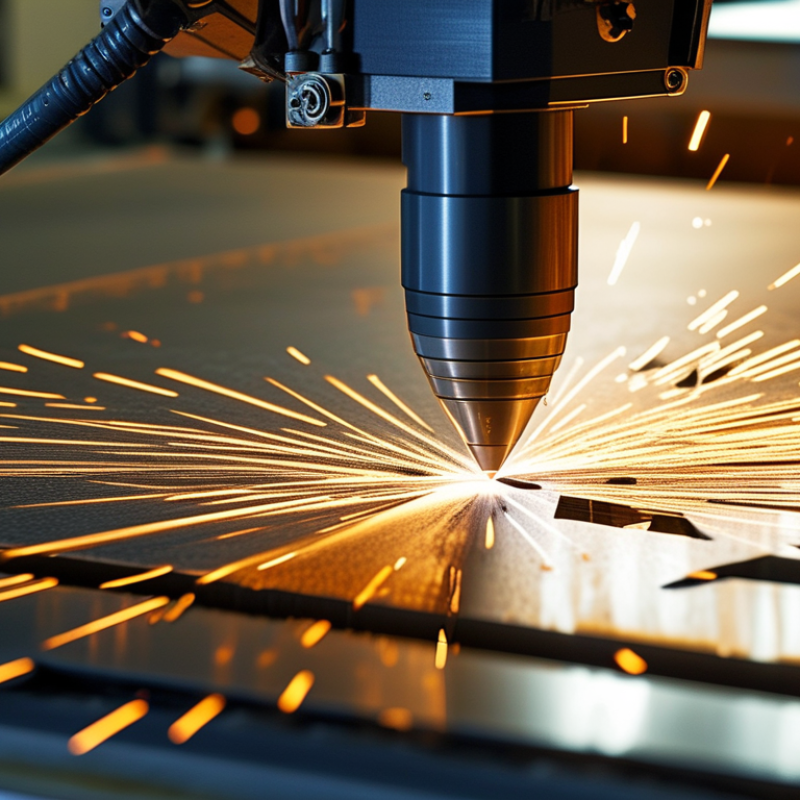
How to Choose the Right Laser Cutting Solution for Your Needs?

Understanding Different Types of Laser Cutting Technologies Available

Choosing the right laser cutting solution is essential for various applications. Understanding the different types of laser cutting technologies can greatly influence your decision. There are primarily CO2 lasers, fiber lasers, and Nd:YAG lasers. Each one has unique characteristics that suit specific materials and thicknesses.

CO2 lasers are versatile and effective for cutting non-metal materials like wood and acrylic. They produce high-quality cuts but may not be the best choice for metals. In contrast, fiber lasers excel in cutting metals like stainless steel and aluminum. They provide faster cutting speeds and lower operational costs. Nd:YAG lasers are less common but can be effective for specific high-precision tasks.

When selecting a laser, consider your material types and desired precision. Think about your long-term needs. Will you be cutting thick materials regularly? Or just thin sheets? Your manufacturing process may require flexibility, which impacts your choice. Understanding these technologies can lead to better results and more efficient operations.

Evaluating Material Compatibility for Laser Cutting Applications

When selecting a laser cutting solution, material compatibility is crucial. Different materials interact uniquely with laser technology. For instance, metals absorb laser energy differently compared to plastics or wood. Knowing the specifics of how each material behaves can significantly affect cutting quality and efficiency.

Many users overlook the importance of engraving or cutting speeds influenced by material type. Some thin materials might cut easily, while thicker counterparts require more power. It’s essential to consider the thickness and density of the material. Each has unique characteristics that can determine the precision of the cut. Users often face challenges if they lack this understanding, leading to waste and inefficiency.

Testing various settings on sample materials can provide valuable insights. Observing how different materials react helps refine your approach. Inconsistent performance can be frustrating, but it’s part of the learning process. Embracing these challenges can cultivate a deeper understanding of laser cutting applications, allowing for better material choices in the future. Ignoring compatibility can lead to flawed products, highlighting the necessity of careful evaluation.

Assessing Laser Cutting Machine Specifications and Capabilities

When choosing a laser cutting machine, it’s crucial to analyze specifications and capabilities in depth. Firstly, focus on the power output of the laser. Machines are available with power levels ranging from 40W to over 2000W. A higher wattage allows for cutting thicker materials more efficiently. According to a report from Research and Markets, the global market for laser cutting machines is projected to reach $6 billion by 2025, emphasizing the importance of selecting the right power level.

Material compatibility is another key factor. Different lasers work optimally with various materials like metal, wood, or plastic. Understanding the specific material types your projects will require is vital. For example, CO2 lasers are excellent for acrylic and wood, while fiber lasers excel in cutting metals. Industry data indicates that fiber laser machines have gained a market share of over 40% due to their efficient metal processing.

Lastly, consider the cutting speed and precision. Some machines can cut at speeds exceeding 80 meters per minute, while maintaining tight tolerances of ±0.1 mm. However, these high speeds may compromise engraving quality. Balancing speed and precision can lead to various challenges. It’s essential to reflect on what your primary needs are to find a laser cutting solution that fits your business volume and precision requirements.

Determining Your Budget and Cost Considerations for Laser Solutions

When considering laser cutting solutions, understanding your budget is crucial. Costs can vary significantly based on the type of laser technology, materials, and production requirements. It is essential to evaluate both upfront costs and long-term operational expenses. Begin by identifying the specific applications you need the laser cutter for. This can help narrow down options while keeping costs manageable.

Tips: Consider using entry-level models for simpler projects. They are cost-effective and often sufficient for basic tasks. Additionally, assess the availability of affordable materials in your area. This can influence ongoing expenses and overall budget.

Don't overlook hidden costs such as maintenance, training, and energy consumption. These can sneak up on your budget and impact overall affordability. Remember, spending less on a machine initially may lead to higher replacements or repairs later on. The goal should be a balance between upfront investment and operational efficiency. This ensures that you get reliable performance without breaking the bank.

Identifying Vendor Reputation and Support Services When Choosing a System

When selecting a laser cutting system, vendor reputation and support services play a crucial role. According to a report by Industry Research, 67% of customers prioritize vendor support in their purchasing decisions. A reliable vendor should have a proven history of supporting clients through installation, training, and ongoing maintenance. Evaluate potential vendors based on customer feedback and case studies. This information may reveal their ability to provide timely and effective assistance.

Tips: Look for vendors with a strong track record. Seek out reviews on forums or industry publications. Networking with other users can provide insights into their experiences.

Support services can vary significantly among vendors. Some offer comprehensive packages, while others may provide bare minimum assistance. It's essential to consider what's included in the warranty and service contracts. Misunderstandings about support coverage can lead to unexpected costs. Be sure to ask for clarity.

Tips: Ask specific questions about response times. Know who to contact for different types of issues. This will help you gauge their responsiveness. Inadequate support can disrupt operations, impacting overall efficiency.

FAQS

: What are the main types of laser cutting technologies?

: The main types are CO2 lasers, fiber lasers, and Nd:YAG lasers. Each has unique traits.

What materials are best suited for CO2 lasers?

CO2 lasers are effective for non-metals like wood and acrylic. They produce high-quality cuts.

How do fiber lasers compare to CO2 lasers?

Fiber lasers excel in cutting metals. They offer quicker speeds and lower operational costs.

What should I consider when selecting a laser cutting solution?

Think about the types of materials you will cut and the precision needed for your applications.

How does material thickness affect laser cutting?

Thicker materials require more power to cut. Cutting speeds can also vary widely based on thickness.

Why is material compatibility important in laser cutting?

Different materials absorb laser energy differently. Ignoring this can lead to inefficiency and waste.

What can users do to improve their laser cutting results?

Testing settings on sample materials can provide insights. It helps refine cutting approaches.

What hidden costs should I consider when budgeting for laser solutions?

Maintenance, training, and energy consumption can impact overall costs. Don't overlook these expenses.

Are entry-level laser models worth considering?

Yes, for simpler projects, entry-level models are cost-effective. They may meet basic needs effectively.

What’s a common mistake people make in laser cutting?

Many overlook material compatibility. This can lead to flawed products and frustration during production.

Conclusion

When considering how to choose the right laser cutting solution for your needs, it is essential to understand the various types of laser cutting technologies available. Each technology offers distinct advantages depending on the materials to be processed. Evaluating material compatibility is crucial as different lasers work better with specific materials, impacting cut quality and efficiency.

Additionally, assessing the specifications and capabilities of laser cutting machines is vital to ensure they meet your project requirements. Budget and cost considerations play a significant role; it’s important to find a balance between quality and affordability. Lastly, identifying the reputation of vendors and the support services they offer can greatly influence your satisfaction with the chosen system. By carefully examining these factors, you can make an informed decision on the best laser cutting solution for your specific applications.

Henry

Henry

Henry is a dedicated marketing professional with a profound expertise in the company's offerings. With years of experience in the industry, he possesses an impressive understanding of the market dynamics and consumer behaviors that drive success. Henry is committed to sharing his insights through......