 Datum Machine
Datum Machine
Datum Machine
In today's competitive manufacturing landscape, understanding how to improve production efficiency with laser cutting is essential. Experts like Dr. Alice Morgan, a leading figure in laser technology, emphasize, “Laser cutting can transform production lines by enhancing accuracy and reducing waste.” This statement captures the advantages of integrating advanced laser solutions into manufacturing processes.
Laser cutting has revolutionized various industries, from automotive to aerospace. Utilizing this technology can lead to remarkable productivity gains. The intricacies of laser systems, including speed, precision, and adaptability, are crucial. However, not every organization maximizes these benefits. Inefficient setups or inadequate training can hinder progress. As companies navigate this technology, they must consider real-world applications and potential pitfalls. Learning how to improve production efficiency with laser cutting requires an open mind and a willingness to adapt.
Investing in the right equipment and training can yield significant returns. Nonetheless, companies sometimes overlook maintenance and troubleshooting. This negligence delays production and diminishes quality. Addressing these factors head-on is vital for anyone seeking efficiency in their operations. The journey toward optimizing laser cutting processes is ongoing, filled with opportunities for improvement and innovation.
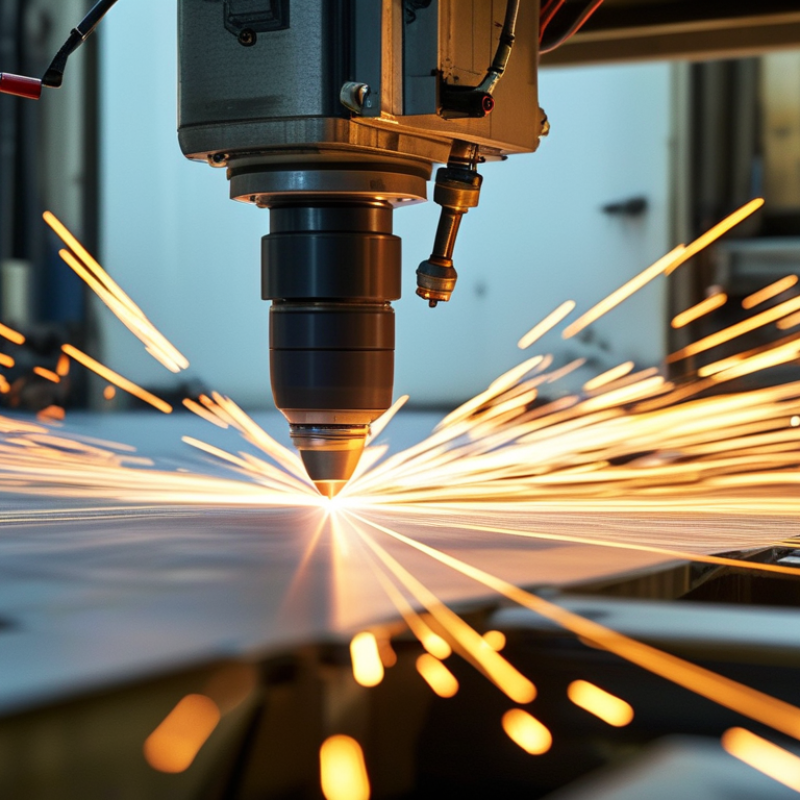
Understanding laser cutting is crucial for enhancing production efficiency. This technology utilizes a focused beam of light to cut materials with remarkable precision. Reports indicate that laser cutting can improve production speed by up to 50% compared to traditional methods. It minimizes waste and reduces the time required for setup, significantly impacting overall productivity.
Despite its advantages, some challenges do exist. For instance, the initial investment costs for high-quality laser cutting machines can be substantial. Companies must weigh these costs against long-term benefits. Additionally, proper training for operators is essential to avoid mistakes that could lead to costly errors.
Tip: Implement regular training sessions for your staff. Ensuring your team is adept at operating laser cutting machines can greatly improve efficiency.
The ability of laser cutting to work with various materials is also noteworthy. It can handle metals, plastics, and textiles with ease. However, not all laser systems are optimized for every material type. Some may cause burn marks or uneven edges, which require further processing. This can counteract efficiency gains if not addressed properly.
Tip: Regularly evaluate the material compatibility with your laser cutting system. Making adjustments here can enhance output quality significantly.
| Method | Description | Impact on Efficiency |
|---|---|---|
| Optimized Cutting Paths | Utilize advanced software to create the most efficient paths for cutting. | Decreases material waste and increases speed. |
| Regular Maintenance | Routine checks and servicing of laser cutting machines. | Improves operational reliability and reduces downtime. |
| Material Selection | Choosing the right materials that cut efficiently and reduce time. | Enhances cutting quality and efficiency. |
| Operator Training | Regular training sessions for machine operators. | Ensures skilled operation minimizing errors and waste. |
| Utilize Automation | Incorporate automated loading and unloading systems. | Increases throughput and reduces labor costs. |
| Advanced Cutting Techniques | Using techniques such as fiber lasers for improved performance. | Enhances cutting speed and precision. |
| Implement Quality Control | Integrate quality checks throughout the cutting process. | Reduces errors and reworks, thus saving time and resources. |
| Monitor Performance Metrics | Track key indicators for production performance. | Identifies areas for improvement in real-time. |
| Energy Management | Optimize energy use for laser cutting systems. | Lowers operational costs and enhances sustainability. |
| Software Upgrades | Regularly update cutting software for new features. | Improves functionality and enhances production capabilities. |
: Common bottlenecks include slow material handling and equipment downtime. Both can delay production and reduce efficiency.
Standardizing material sizes can simplify workflows. This approach can speed up the cutting process and reduce delays.
Regular maintenance prevents unexpected breakdowns. Even a minor issue can halt production significantly, affecting overall efficiency.
Many operators may not fully utilize the equipment. Training improves performance and minimizes error rates, enhancing productivity.
Feedback loops help monitor performance. Tracking key metrics allows for timely adjustments and improvements to processes.
Careful planning of cutting layouts and using software for nesting can reduce waste significantly, maximizing material use.
Selecting the right thickness is crucial. It prevents unnecessary waste based on project requirements and maintains efficiency.
Regularly checking inventory enables the use of commonly available sheets. This practice boosts efficiency and reduces costs.
Reflecting on past projects reveals improvement areas. Continuous training fosters a culture of awareness and keeps companies competitive.
Investing in staff training is key. Understanding technologies and best practices leads to improved resource management and efficiency.
Laser cutting technology plays a pivotal role in enhancing production efficiency across various industries. To understand how to improve production efficiency with laser cutting, it's essential to first recognize the common bottlenecks that can impede the process, such as material handling and machine downtime. By identifying these issues, businesses can implement advanced laser cutting technologies that enhance performance and streamline operations.
Moreover, optimizing material use is crucial to minimize waste while maximizing efficiency. This includes careful planning of cuts and layouts to ensure maximum yield from the raw materials. Additionally, investing in training and skill development for staff involved in laser cutting operations equips them with the necessary expertise to operate machinery effectively, further driving productivity. By focusing on these strategies, organizations can significantly boost their production efficiency and maintain a competitive edge in the market.
