Laser cutting technology has revolutionized various industries by enabling the precise cutting of multiple materials. As noted by Dr. Emily Carter, a leading expert in laser applications, "The versatility of laser cutting allows it to process materials that other techniques cannot." This assertion raises the critical question: what materials can be processed by laser cutting?
The technology encompasses a range of substances, including metals, plastics, wood, and fabrics. Each material presents unique challenges and benefits. For instance, cutting through metals requires specific laser wavelengths and parameters, while softer materials like paper can be cut more swiftly. The ability to adapt laser settings opens up possibilities but also demands expertise.
Understanding what materials can be processed by laser cutting is essential for manufacturers. They must consider factors like thickness, texture, and composition. However, not all lasers can effectively handle every type of material. It can be frustrating when expected results fall short, prompting a reflection on the underlying technology and techniques used. This complexity highlights the need for continuous learning in this evolving field.
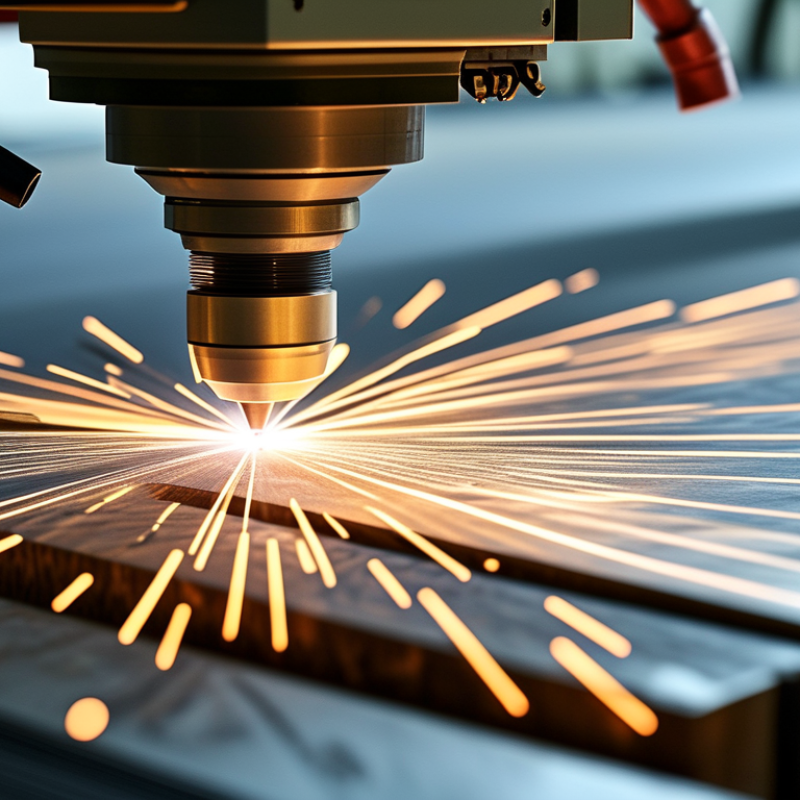
Types of Materials Suitable for Laser Cutting Technology
Laser cutting technology is highly versatile and can process a variety of materials. Commonly, it’s used for metals like steel, aluminum, and copper. The precision of laser cutting allows for intricate designs with clean edges. This makes it ideal for creating detailed components in automotive and aerospace industries. However, metal cutting requires careful consideration of thickness and reflectivity to achieve optimal results.
In addition to metals, laser cutting is effective on non-metal materials. Wood, acrylic, and fabric are popular options. For wood, laser cutting can create unique patterns and engravings. Acrylic sheets produce vibrant colors when cut or etched with a laser. Fabrics are quickly and precisely cut, resulting in minimal fraying. It’s important to test settings on these materials, as they can burn or warp under certain conditions. Finding the right settings may take time, but it leads to high-quality outcomes.
Some materials are not suitable for laser cutting, such as certain plastics and composites. They may release harmful fumes during the process. Safety should always be a priority, and understanding the limits of each material is essential. Experimenting with different settings can yield varying results, making it necessary to document processes for future projects. This ongoing learning is part of mastering laser cutting technology.
Laser Cutting Technology: Materials Suitable for Processing
Characteristics of Metals for Laser Cutting
Laser cutting technology has gained immense popularity in various industries. When it comes to metals, specific characteristics play a crucial role in their suitability for laser cutting. Metals differ in their thermal conductivity, hardness, and thickness, impacting the efficiency and quality of the cutting process.
Steel is among the most commonly cut metals. Its melting point is relatively high, around 1510 °C, yet its thermal conductivity allows for efficient heat transfer during cutting. According to a recent industry report, laser systems can cut steel up to 30 mm thick with precise accuracy and minimal thermal distortion. This precision makes it ideal for manufacturing parts in automotive and aerospace sectors.
Aluminum also demonstrates favorable traits for laser cutting. It is lightweight and has excellent reflectivity, which can be a challenge. However, advancements in laser technology have made it possible to cut aluminum effectively, even at thicknesses of 10 mm. The key here lies in the choice of the right laser wavelength. Misjudgments in metal type can lead to poor cutting results, such as excessive material melting or rough edges. Thus, understanding the unique properties of each metal is essential for optimal outcomes.
Applications of Laser Cutting in Non-Metal Materials
Laser cutting technology has significantly impacted various industries, especially in the processing of non-metal materials. One common application is in the textile sector. Fabrics such as cotton, polyester, and nylon are cut with high precision. This ensures clean edges and reduces fraying. The ability to achieve intricate designs with laser cutting allows fashion designers to experiment with unique patterns.
In addition to textiles, laser cutting excels in working with wood and acrylic. Wood pieces are cut effortlessly, showcasing detailed designs for furniture or decor. Acrylic sheets are often used in signage and displays. The ability to customize shapes and sizes enhances creative freedom. However, it is crucial to control the laser's intensity to prevent burning. Too high of a setting can ruin the material.
Another notable application is in crafting and arts. Paper and cardboard are frequently cut for scrapbooking or prototyping. This process allows artists to create detailed models or artwork. However, there is a learning curve in mastering the settings. Even experienced users can sometimes struggle with the right configurations. Overall, while laser cutting presents exciting opportunities, it requires precision and care in execution to achieve desired results.
Comparison of Laser Cutting with Other Cutting Methods
Laser cutting technology has become a popular method for various industries. When comparing it to traditional cutting methods, several key differences emerge. Laser cutting utilizes a focused beam of light to cut materials, offering precision and clean edges. This method is particularly effective with metals, plastics, and wood.
In contrast, methods like saw cutting or plasma cutting may leave rough edges. They often require additional finishing work. For instance, plasma cutting can create a heat-affected zone, altering the material properties nearby. Traditional methods may be slower and less precise, leading to increased waste.
The choice of cutting method depends on the specific application. Laser cutting can handle delicate designs effectively, which might be challenging for saws or torches. However, not every material is suitable for laser cutting. Some materials may react poorly to heat, causing distortion. This limitation requires careful consideration in the design phase. Balancing speed, precision, and material compatibility is essential for successful cutting projects.
Future Trends in Laser Cutting Material Processing
Laser cutting technology continues to evolve, influencing various materials in innovative ways. Metals like steel, aluminum, and copper are common choices due to their strength and precision. However, there has been a growing interest in non-metal materials. Plastics, wood, and fabrics are now frequently processed with lasers. These materials allow for intricate designs, making them popular in fashion and interior design.
The future trends in laser cutting material processing suggest an expansion into more complex substances. Researchers are exploring biodegradable materials and composites. These alternatives offer sustainability and reduce environmental impacts. The possibility of using advanced polymers and glass presents exciting opportunities, but challenges remain. Achieving precision with these materials requires ongoing innovation and refinement in technology. Some experimental processes may not yield the desired results initially.
As industries push for greater versatility, the demand for multi-material applications increases. This trend could lead to the development of hybrid systems capable of cutting various materials simultaneously. Yet, this approach brings uncertainties. Balancing precision and performance is crucial. It's a reminder that, while the future holds promise, it also demands careful consideration and adaptation. Each leap forward in material processing through laser technology can lead to new learning experiences and reflections on methods.
FAQS
: Laser cutting works well for metals, wood, acrylic, and fabrics. These materials allow for intricate designs and clean edges.
Certain plastics and composites are unsuitable. They can release harmful fumes and cause safety issues during cutting.
Laser cutting provides precision and clean edges. Traditional methods often leave rough edges and require more finishing work.
Thickness and reflectivity of the metal are crucial. Understanding these factors ensures optimal results and quality cuts.
Yes, laser cutting precisely cuts fabrics. It minimizes fraying but requires careful setting adjustments to avoid burning.
Experimenting with different settings helps find the right conditions. Documenting processes is key for successful future projects.
Generally, laser cutting is faster and more efficient. However, speed should be balanced with material compatibility and design needs.
Certain materials may warp or burn. Identifying these issues requires patience and consideration during the design phase.
Safety is essential due to potential hazards from harmful fumes. Knowing material limits can prevent accidents and ensure safer operations.
Success depends on balancing speed, precision, and material choice. Reflecting on past experiences helps refine techniques moving forward.
Conclusion
Laser cutting technology is widely recognized for its versatility in processing a variety of materials, making it essential in modern manufacturing. The article explores "what materials can be processed by laser cutting," highlighting the suitability of various metals such as steel, aluminum, and brass, which are characterized by their ability to be cut with precision and minimal thermal distortion. Additionally, the technology is applicable to non-metal materials, including plastics, wood, and textiles, showcasing its broad industry applications.
The discussion extends to a comparison with traditional cutting methods, emphasizing the advantages of laser cutting in terms of speed, accuracy, and waste reduction. As industries evolve, future trends in laser cutting material processing point towards innovations that enhance efficiency and expand the range of materials that can be effectively processed, underscoring the ongoing development in this field.
 Datum Machine
