Datum Machine Datum Machine

How to Reduce Material Waste in Metal Processing for 2026?

Time:2026-09-05 Author:Liam
0%

In an era of heightened environmental awareness, industries are under pressure to adopt sustainable practices. Metal processing, a sector known for its significant material waste, faces scrutiny. As we approach 2026, understanding how to reduce material waste in metal processing becomes essential. Companies not only aim to cut costs but also seek to enhance their reputations.

Innovative strategies are emerging. Advanced technologies, like automation and recycling techniques, present new opportunities. Shifting towards more efficient operations can significantly reduce waste. However, implementing these changes is not always straightforward. The challenge lies in balancing efficiency with economic viability.

Despite the best intentions, many companies struggle to adopt these methods fully. Resistance to change and lack of expertise can hinder progress. Addressing these barriers is crucial for successful waste reduction. Engaging in discussions about real-world applications and sharing experiences can foster a culture of improvement.
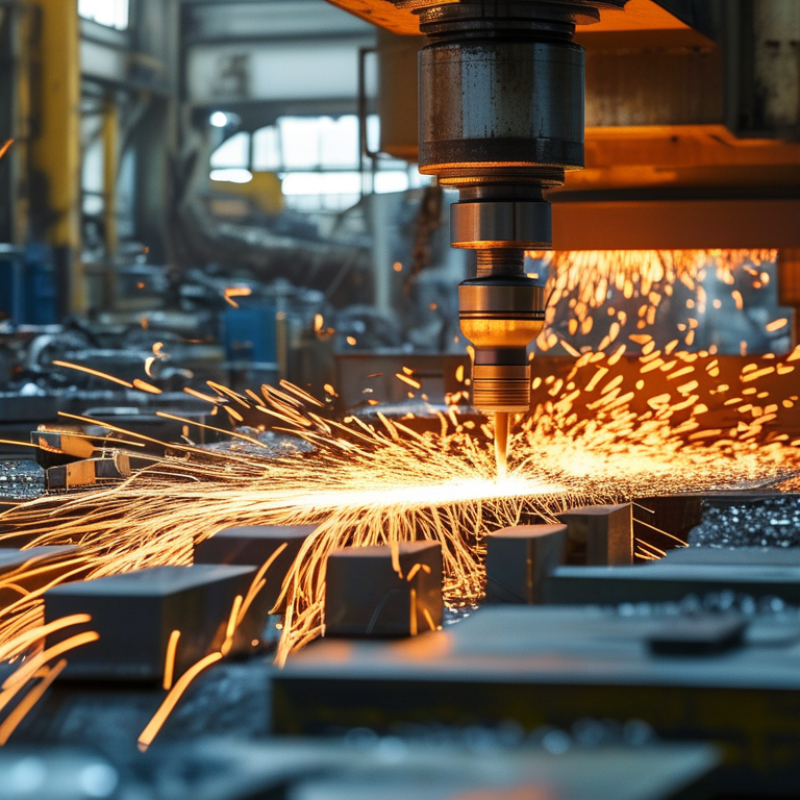
How to Reduce Material Waste in Metal Processing for 2026?

Innovative Techniques in Metal Processing to Minimize Waste

The metal processing industry faces significant challenges in minimizing material waste. One innovative technique involves additive manufacturing, or 3D printing. This method allows for precise material deposition, which can reduce waste by up to 50%, according to recent industry reports. By using only the required amount of material, companies can not only save costs but also lessen their environmental footprint.

Another valuable practice is the implementation of closed-loop recycling systems. Research indicates that recycling scrap metal can lead to a reduction in energy consumption by up to 75%. With the right systems in place, companies can transform waste back into raw materials. Additionally, monitoring and auditing material flows can help identify areas where waste occurs. This proactive analysis is essential for improving efficiency.

However, these innovative techniques are not without challenges. Many companies struggle with incorporating new technologies into established processes. Staff training and initial investment can pose obstacles. Companies must navigate these complexities to achieve significant waste reduction. Ongoing improvements and reflections on past failures are necessary for sustaining progress in waste reduction efforts.

Reduction of Material Waste in Metal Processing (2026)

This chart illustrates the estimated potential for waste reduction in metal processing through various innovative techniques. By 2026, it is expected that recycling techniques can lead to a 30% reduction in waste, followed by advanced machining at 25%, process optimization at 20%, lean manufacturing at 15%, and automation at 10%.

Utilization of Advanced Technologies for Efficient Material Use

Advanced technologies play a crucial role in reducing material waste in metal processing. One effective method is using precision cutting tools. These tools minimize excess material removal, ensuring more efficient use of raw materials. Computer numerical control (CNC) machines provide high accuracy. However, not all facilities fully exploit their capabilities. Training staff to maximize these technologies is essential.

Additionally, implementing real-time monitoring systems can significantly enhance efficiency. Sensors can track material usage and waste in real-time. By analyzing this data, companies can identify patterns and areas requiring improvement. Yet, many businesses may resist change. There is a fear of initial costs and the complexity of new systems. Overcoming this mindset is vital for success.

Moreover, recycling and repurposing scrap materials offer practical solutions. Some companies convert scrap into new products or secondary materials. This approach not only reduces waste but also yields economic benefits. However, transitioning to a circular economy demands commitment and innovation. Companies must continually assess their practices to adapt to new technologies effectively.

Implementing Sustainable Practices in Metal Waste Management

Sustainable practices in metal waste management can greatly reduce material waste in processing. A pivotal step is assessing current waste generation. Metal scraps can often be recycled, but many facilities lack efficient sorting systems. Implementing automated sorting technology can streamline this process. Following this, educating workers about waste separation is essential. Employees should understand the impact of their actions on sustainability.

Another vital area is rethinking material usage. Engineers can design parts that utilize less raw material without compromising quality. This requires collaboration between teams to ensure innovative approaches are viable. Additionally, tracking material flow helps identify loss points. Through real-time data analysis, processes can be adjusted appropriately.

However, challenges remain. Some facilities still do not prioritize sustainable practices due to perceived costs. The initial investment in technology and training can be daunting. Yet, neglecting these changes may lead to greater expenses in waste management and regulatory fines. Acknowledging these barriers and responding with adaptive strategies is necessary for progress.

Assessment and Optimization of Material Yield in Production

Reducing material waste in metal processing requires careful assessment and optimization of material yield. According to a recent study by the International Journal of Advanced Manufacturing Technology, up to 30% of materials can be wasted during production. This percentage significantly affects both profitability and environmental sustainability. By examining the entire workflow, manufacturers can pinpoint areas of inefficiency.

Improving cutting techniques and refining tooling can lead to better material utilization. Implementing advanced technologies, like computer numerical control systems, ensures precision. A report from the American Society of Mechanical Engineers highlighted that optimizing machining processes could enhance yield by 15% in some cases. However, many companies still overlook regular evaluations of their methods.

In addition, recycling scrap metal plays a crucial role. It is estimated that recycling can save up to 70% of energy compared to processing new materials. Encouraging a culture of waste minimization among employees can lead to innovative solutions. Reducing waste is not merely a regulatory requirement; it's a strategic approach that can yield significant rewards for manufacturers. Evaluating material cuts, recycling practices, and employee training can make a substantial difference.

How to Reduce Material Waste in Metal Processing for 2026? - Assessment and Optimization of Material Yield in Production

Process Stage Material Input (kg) Material Waste (kg) Material Yield (%) Improvement Strategies
Cutting 1000 150 85% Optimized cutting path
Milling 800 120 85% Use of high-precision tools
Welding 600 80 87% Better joint design
Finishing 500 60 88% Adoption of advanced machining techniques
Assembly 400 20 95% Use of modular components

Collaborative Approaches for Reducing Waste in the Metal Industry

Collaboration plays a crucial role in reducing material waste in the metal industry. Companies can share resources and strategies to tackle waste collaboratively. According to a report by the International Resource Panel, improving resource efficiency can help minimize waste by up to 30%. This approach encourages collective brainstorming among firms, which can lead to innovative recycling techniques and improvements in production processes.

Partnerships between manufacturers and scrap dealers present additional avenues for waste reduction. Research highlights that proper recycling can save energy and raw materials. For instance, recycling aluminum saves approximately 95% of the energy needed to produce new aluminum from ore. This significant saving shows the potential when industries align their waste management approaches.

Despite these advancements, there are still challenges. Companies may resist changing established processes. Some may fear losing competitive advantages. This reluctance can hinder the overall effort to reduce material waste effectively. Continuous dialogue and shared success stories are essential in dispelling these fears. Engaging stakeholders through workshops can foster an open environment for sharing best practices and innovative solutions.

FAQS

: What is additive manufacturing?

: Additive manufacturing, or 3D printing, is a technique for precise material deposition. It can reduce waste significantly.

How much waste can 3D printing minimize?

Recent reports indicate that 3D printing can cut waste by up to 50%.

What role does closed-loop recycling play?

Closed-loop recycling transforms scrap into raw materials, reducing energy consumption by up to 75%.

How can companies identify areas of waste?

By monitoring and auditing material flows, companies can pinpoint inefficiencies in their processes.

What challenges do companies face with new technologies?

Staff training and initial investment are common obstacles when integrating innovative technologies.

How much material waste can occur during production?

Studies show that up to 30% of materials can be wasted in the production process.

How can improving cutting techniques help?

Better cutting techniques can enhance material utilization and improve overall yield.

Why is recycling important in metal processing?

Recycling scrap metal can save energy and significantly reduce environmental impact.

What can encourage a culture of waste minimization?

Employee training and participation can lead to innovative waste reduction solutions.

How can companies overcome resistance to change?

Continuous dialogue and sharing success stories can help dispel fears of losing competitive advantages.

Conclusion

In the pursuit of how to reduce material waste in metal processing, innovative techniques play a crucial role in enhancing efficiency. By employing advanced technologies, such as automation and machine learning, manufacturers can optimize their material use, minimizing excess and cutting costs. Sustainable practices, including recycling and reusing scrap materials, are essential components of an effective metal waste management strategy.

Additionally, assessing and optimizing material yield through data analysis can lead to significant improvements in production efficiency. Collaborative approaches within the metal industry, involving partnerships between companies and stakeholders, foster the sharing of best practices and innovative solutions. Together, these methods provide a comprehensive framework for reducing waste and achieving sustainability goals in metal processing by 2026.

Liam

Liam

Liam is a dedicated marketing professional with a profound expertise in the industry, where he excels at highlighting the unique advantages of our core products. With a keen understanding of market trends and consumer needs, Liam frequently updates our company’s professional blog, providing......