Datum Machine
Laser cutting technology has become vital in various industries. With its ability to deliver precision and efficiency, knowing how to optimize laser cutting performance is essential. This process involves various techniques to enhance both speed and accuracy. Understanding the finer points can significantly affect the final product quality.
Successful laser cutting hinges on several factors. These include material type, thickness, and the power settings of the machine. If you overlook these aspects, the results could fall short of expectations. For instance, using the wrong power settings may lead to excessive heat, causing warping. Accurate control of these variables is fundamental to achieving desirable outcomes.
Moreover, maintaining your laser cutting equipment is crucial. Regular maintenance not only extends the life of the machine but also ensures consistent performance. Neglecting this can lead to production delays and increased costs. By focusing on these key elements, businesses can streamline their operations, improve efficiency, and ultimately enhance the quality of their products.
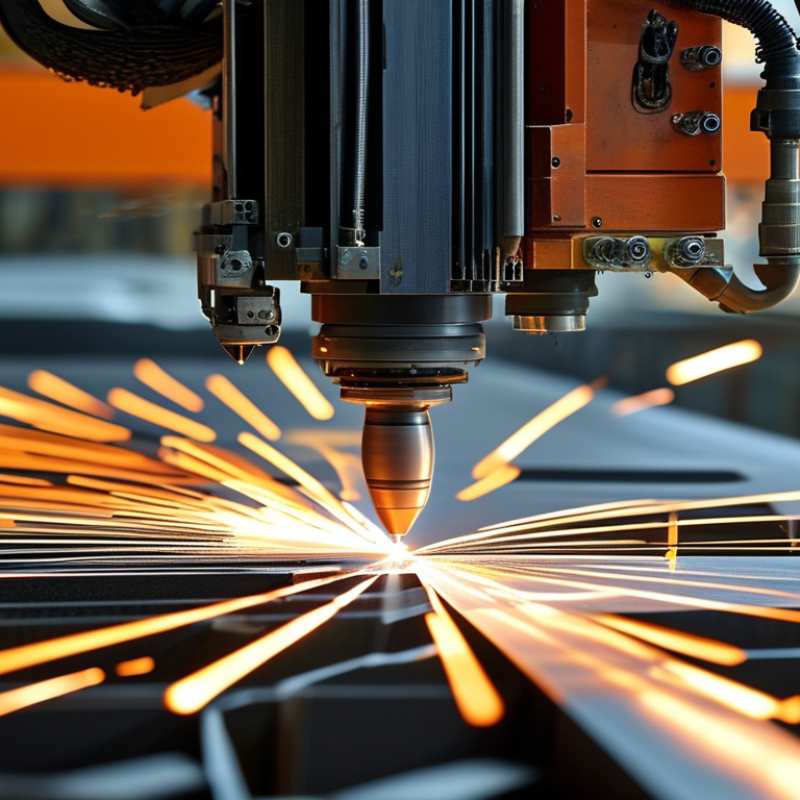
Laser cutting technology has transformed manufacturing, offering precision and efficiency. Understanding the basics is crucial for achieving optimal results. At its core, laser cutting utilizes a high-powered laser beam to cut through materials. This process involves focusing the laser onto the material surface, melting or vaporizing it. Factors such as power settings, speed, and focusing optics significantly impact the cut quality and kerf width.
A key aspect often overlooked is material type. Different materials react uniquely to laser cutting. For instance, metals may require higher power settings than plastics. This variance can lead to burnt edges or incomplete cuts if not properly managed. Operators must pay attention to these details to enhance performance. Additionally, regularly maintaining the laser equipment is vital. Clean optics and proper alignment prevent issues that could hinder operation.
Sometimes, machine settings may not yield the expected results. This calls for a reflective approach to find the right balance. Testing various parameters before final production can be beneficial. Keeping a log of settings and outcomes helps operators learn from past experiences. Adjusting techniques according to material and desired outcome is a practical step toward improving overall efficiency in laser cutting.
Laser cutting is an efficient technology widely used in manufacturing. However, several key factors significantly influence its performance. Understanding these factors can help optimize cutting results.
One important factor is material thickness. As material thickness increases, the cutting speed typically decreases. According to industry reports, a 1 mm increase in material thickness can lead to a 20-30% drop in productivity. Attaining the right balance between speed and quality is crucial.
Another critical element is the laser power. Higher power levels enhance cutting speed but may compromise edge quality. A study published by the Laser Institute of America indicated an optimal power range for various materials. For steel, a power of 2500 watts is ideal for cutting 10 mm steel plates.
To optimize laser cutting performance, consider these tips:
- Adjust focus to achieve finer cuts.
- Regularly maintain the laser system to prevent unplanned downtimes.
- Monitor gas flow rates to ensure cutting efficiency.
By keeping these factors in mind, manufacturers can enhance their laser cutting processes while reflecting on the balance between speed and quality.
When optimizing laser cutting performance, selecting the right materials is crucial. For instance, steel remains a popular choice due to its strength and durability. Reports indicate that cutting with high-quality steel can reduce wear on the laser head by 30%. This type of material offers excellent precision and less dross formation, ensuring clean edges.
Using the right thickness is equally important. Thinner materials, like acrylic or plywood, allow for faster cutting speeds. However, they require precise settings to prevent melting or warping. Interestingly, data shows that adjusting the power setting by just 5% can improve the quality of cuts on these materials significantly.
Don’t overlook the role of surface finish. A clean surface minimizes contaminants that could affect cutting effectiveness. When using textured or coated materials, consider additional tests to find optimal settings. Balancing efficiency with quality is a challenge many face. It’s essential to continually evaluate and adjust material settings to ensure the best results.
Optimizing laser cutting performance involves precise adjustments to various settings. The focus should be on finding the right balance between speed and quality. One major aspect is the power setting. Too much power can burn the material, while too little may cause incomplete cuts. Testing multiple power levels helps identify the sweet spot for different materials.
Another important factor is speed. Cutting too quickly can lead to poor edges, while slow speeds increase the risk of material distortion. Experimenting with different feed rates is essential. Keep a close eye on the cut quality as you adjust. Regularly monitor and adjust focus height as well. This may vary from material to material, and even within different thicknesses of the same material.
Using the right nozzle is also crucial. The nozzle diameter affects both the kerf width and the airflow. Smaller nozzles can create finer cuts, but airflow may be insufficient. Larger nozzles boost airflow but can widen the kerf. Find a balance that suits your cut requirements. Regular maintenance of equipment can prevent issues, but don’t overlook the potential for human error. Always stay observing, ready to make changes based on real-time feedback from the machine.
| Tip | Description | Recommended Setting | Benefits |
|---|---|---|---|
| 1. Focus Lens Properly | Ensure the lens is focused at optimal distance from material. | Adjust to manufacturer's recommended focal length. | Improved cut quality and precision. |
| 2. Adjust Cutting Speed | Set the cutting speed based on material type and thickness. | Slower for thicker materials; faster for thinner ones. | Enhances cutting efficiency and reduces burn. |
| 3. Optimize Gas Flow | Adjust gas type and pressure for optimal cutting. | Use nitrogen for stainless steel, oxygen for mild steel. | Reduces kerf width and improves finish. |
| 4. Maintain Clean Equipment | Regularly clean lasers, lenses, and mirrors. | Check for residue and clean weekly. | Increases lifespan and performance of the laser. |
| 5. Test Different Parameters | Conduct tests with varying power settings and speeds. | Experiment with a range of values. | Find the ideal settings for specific materials. |
| 6. Utilize Software Features | Make use of design software for path optimization. | Use nesting features to minimize waste. | Increases material utilization and reduces costs. |
| 7. Monitor Laser Performance | Regularly check for power consistency. | Use a power meter for precise measurements. | Ensures reliable and consistent cuts over time. |
| 8. Choose Proper Material Thickness | Select material thickness compatible with the laser's capability. | Generally, stay within 10mm for optimal results. | Enhances cut quality and decreases production time. |
| 9. Account for Follow-up Finishing | Plan for secondary operations like sanding or polishing. | Set initial cut to allow for minor adjustments. | Enhances final product quality. |
| 10. Regular Maintenance Checks | Schedule maintenance for the laser cutting machine. | Follow manufacturer's maintenance schedule. | Ensures the longevity and functionality of the equipment. |
Regular maintenance is crucial for enhancing the longevity of your laser cutter. Dust and debris can accumulate on lenses and mirrors over time. This buildup can reduce the efficiency of the machine. Cleaning these components regularly is vital. Use appropriate cleaning solutions and soft cloths. Avoid abrasive materials that can scratch the surface.
Checking the alignment of the laser beam is another essential practice. Misalignment can lead to irregular cuts and increased wear on the machine. Periodically assess the alignment and adjust as needed. This will ensure consistent performance. Moreover, inspect the power settings regularly. Operating at too high a power level can strain the machine, causing premature failure.
Also, consider the cooling system. Overheating can damage internal components. Regularly check coolant levels and clean the radiator. Monitoring temperatures during operation is essential. If you notice fluctuations, address them promptly. Keep detailed records of maintenance activities. This can help identify patterns and potential issues over time. Reflecting on these practices often uncovers areas for improvement.
: Material thickness significantly affects cutting speed and productivity. Thicker materials can slow down the process.
Higher laser power can increase cutting speed but may lower edge quality. Balance is essential for optimal results.
Regular cleaning of lenses and mirrors prevents efficiency loss. Use soft cloths and appropriate solutions for this task.
Proper alignment ensures consistent cuts and reduces wear on the machine. Regular checks can enhance cutting quality.
Clean surfaces promote effective cutting. Contaminants can hinder performance, so testing is necessary with textured materials.
Overheating can damage internal components. Regularly monitoring coolant levels and temperatures is vital for machine longevity.
Thinner materials allow faster cutting but require precise settings to avoid warping or melting. Attention to detail is needed.
Keeping detailed records can reveal patterns and identify potential issues, guiding more effective maintenance practices over time.
Yes, settings should be regularly evaluated and adjusted based on material and thickness to achieve the best cutting quality.
Balancing speed and quality remains difficult. Continuous evaluation of processes often reveals areas needing improvement.
To effectively optimize laser cutting performance, it’s crucial to first understand the fundamental principles of laser cutting technology. Several key factors significantly influence the performance, including the type of laser used, the speed of cutting, and the thickness of the material. Selecting the right materials also plays a vital role in achieving optimal results, as different materials exhibit varying behaviors under laser cutting processes.
In addition, fine-tuning laser settings, such as adjusting power levels and speed, can enhance efficiency. Regular maintenance practices are equally important in ensuring the longevity of laser cutting machines. By implementing these strategies, operators can learn how to optimize laser cutting performance, leading to improved outcomes and reduced operational costs.
