Datum Machine
Datum Machine
Datum Machine
Explore our foundational range of CE-certified industrial laser systems, engineered for maximum performance, accuracy, and process integration.
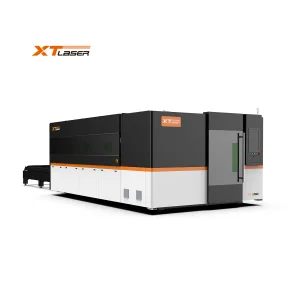
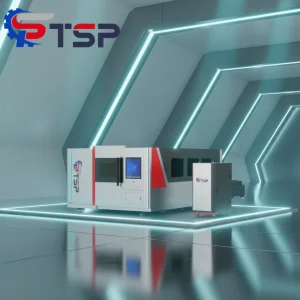
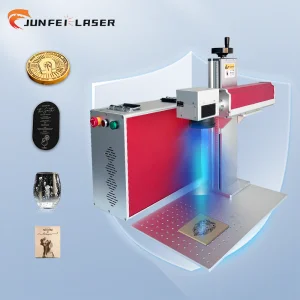
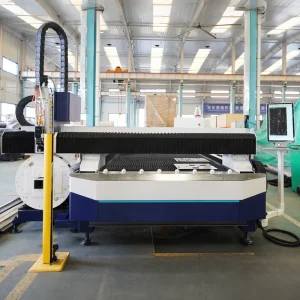
Shanghai Datum Machine Co., Ltd. is a professional China automation laser cutting manufacturer specializing in fiber laser cutting systems, CNC cutting solutions, and smart manufacturing equipment for global industrial customers. With extensive experience in advanced manufacturing technologies, we are dedicated to providing high-performance automation solutions that improve productivity, precision, and operational efficiency across a wide range of industries.
Our product portfolio includes fiber laser cutting systems, CNC laser cutting equipment, tube laser cutting machines, sheet metal processing solutions, robotic laser cutting systems, automated loading and unloading systems, laser production lines, and customized manufacturing automation solutions. Designed to meet the evolving demands of modern factories, our equipment delivers exceptional cutting accuracy, high-speed performance, reduced material waste, and reliable long-term operation.
At Datum Machine, innovation is at the center of our development strategy. Our engineering team continuously integrates intelligent control technologies, automation systems, and advanced manufacturing concepts to help customers build more efficient and flexible production environments. From standalone laser cutting equipment to fully integrated smart factory solutions, we provide comprehensive support tailored to each customer's production requirements.
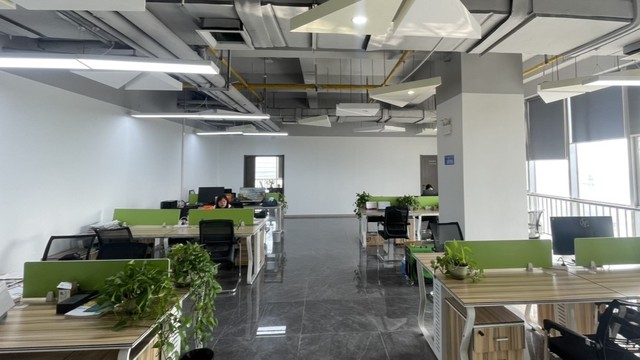
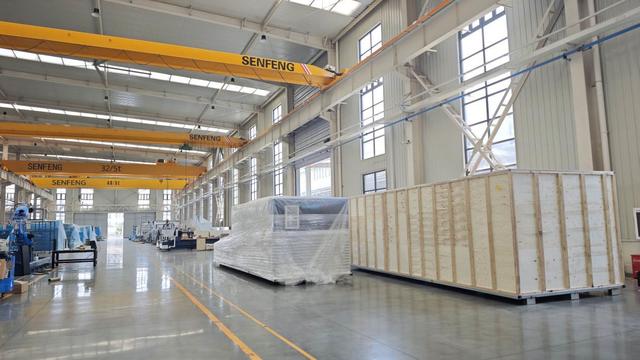
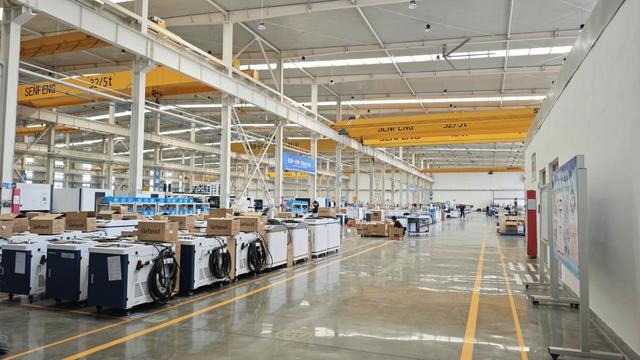
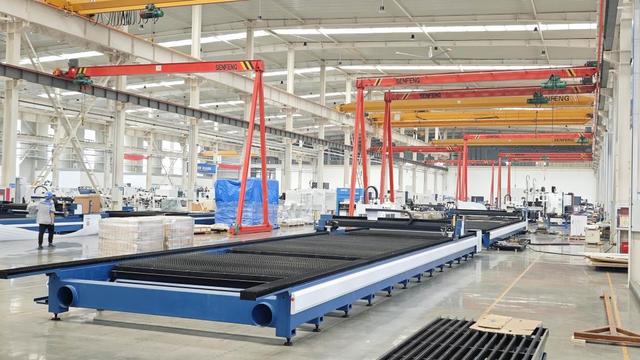
Quality and reliability are fundamental to our manufacturing philosophy. We maintain strict quality control procedures throughout design, production, testing, and delivery to ensure every system meets international performance and safety standards. Our modern manufacturing facilities and experienced technical team enable us to provide consistent quality and dependable service for customers worldwide.
Serving clients across automotive, metal fabrication, machinery manufacturing, construction, aerospace, electronics, and industrial processing sectors, Shanghai Datum Machine Co., Ltd. has established a strong reputation for advanced technology, customized solutions, and responsive customer support. We are committed to becoming a trusted global partner in automation laser cutting, helping manufacturers achieve higher efficiency, smarter production, and sustainable growth through innovative laser processing technologies.
In the contemporary paradigm of Industry 4.0, the global manufacturing sector is undergoing an unprecedented shift toward automation, adaptive intelligence, and high-yield laser cutting. Traditional thermal and mechanical sawing techniques are rapidly being phased out by advanced fiber laser technologies. Global industrial hubs in North America, Europe, and the Asia-Pacific are setting strict operational directives that demand higher throughput, lower electrical footprints, and absolute repeatability. As a result, modern enterprises seek CE Certified Customized Cutting Solutions capable of executing complex 3D profiles and high-density sheet metal processing with zero structural deflection.
Fiber laser technology, operating at a wavelength of approximately 1.06μm, exhibits superior absorption characteristics in metals compared to older CO2 laser technologies (10.6μm). This physical advantage enables up to five times faster processing speeds in thin-to-medium gauge sheet metals and drastically reduces operating costs. With wall-plug efficiency rates exceeding 30%, industrial manufacturers are saving millions annually on energy grids while simultaneously increasing throughput. The integration of 6-axis robotic arms from leading suppliers like FANUC and ABB further expands these systems' versatility, allowing multi-directional processing for three-dimensional automotive chassis components, custom tubing geometries, and aerodynamic aerospace components.
When selecting an industrial machinery partner, compliance is the ultimate indicator of safety, quality, and engineering reliability. For machinery imported into the European Economic Area (EEA) and other global markets recognizing CE standards, CE certification represents adherence to strict European health, safety, and environmental protection benchmarks. Specifically, for custom automated laser cutters, this encompasses the Machinery Directive (2006/42/EC), the Low Voltage Directive (2014/35/EU), and the Electromagnetic Compatibility (EMC) Directive (2014/30/EU).
Furthermore, because high-power fiber lasers operate with Class 4 beams (ranging from 1.5kW up to 12kW and above), laser radiation safety is governed by the stringent EN 60825-1 standard. A premium CE certified system incorporates comprehensive safety features: light-tight enclosures, automated interlocks that cut power to the laser cavity if access doors are breached, and active vision surveillance systems. By assuring these safety protocols, Shanghai Datum Machine Co., Ltd. ensures that international customers avoid catastrophic occupational hazards, pass local government factory safety inspections, and maintain stable insurance liabilities.
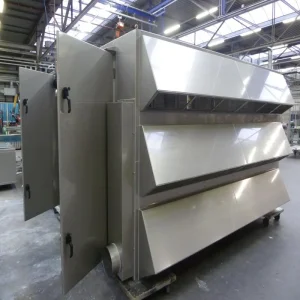
Full integration of Class 4 laser cabins, safety door interlocks, and CE-compliant wavelength-filtering viewing windows.
Welded structure undergoing rigorous high-temperature annealing processes to prevent deformation over decades of use.
Compatible with CypCut, CypNest, and smart PLC interfaces for automatic nesting, micro-joints, and path planning.
The global dominance of Chinese manufacturing in the high-power laser segment is not merely a product of scale, but of strategic vertical integration and specialized industrial clusters. By operating in key industrial sectors, Chinese manufacturers like Shanghai Datum leverage a dense network of high-precision component suppliers. From high-stability structural steel beds and precision linear guide rails to top-tier optical components, the immediate availability of key resources allows for rapid turnaround times and optimized pricing structures.
Furthermore, China's factory efficiencies are amplified by advanced manufacturing methods. This includes massive CNC machining centers that process complete machine frames in a single setup, ensuring absolute alignment of linear guides and rack-and-pinion drive channels. This engineering excellence means global procurers do not have to compromise. They receive European-grade structural accuracy, Japanese-grade robotic control integration (such as Fanuc systems), and highly competitive pricing. This combination provides a massive return on investment (ROI) and shortens procurement payback periods to months rather than years.
To demonstrate high information gain, we look at several real-world, localized industrial applications where customized automated laser machinery has significantly enhanced production output:
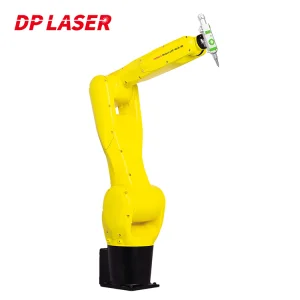
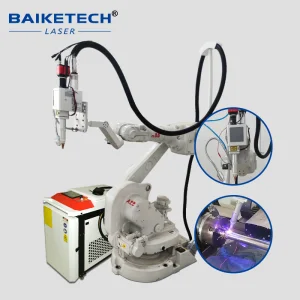
A. Automotive & Transportation (3D Robotic Arm Profiling): In modern automotive manufacturing, lightweighting has led to the adoption of high-strength, hot-formed steel. Traditional stamping dies wear out rapidly on these hard materials. By utilizing 6-Axis FANUC or ABB robotic arm laser systems equipped with customized laser heads, automotive plants can perform automated 3D trimming and hole piercing with micrometer precision. This technique eliminates expensive tooling, allows for design adjustments via software changes, and cuts cycle times by 40%.
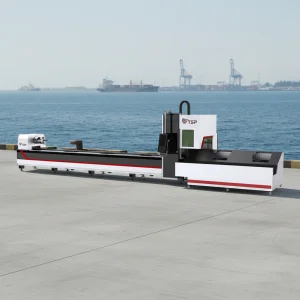
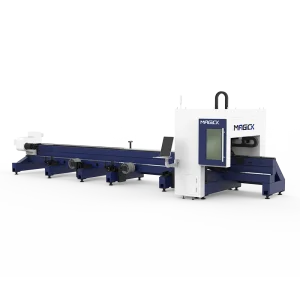
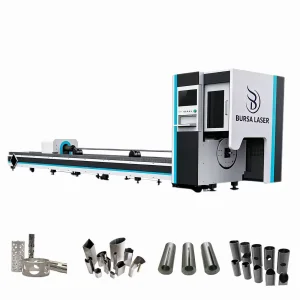
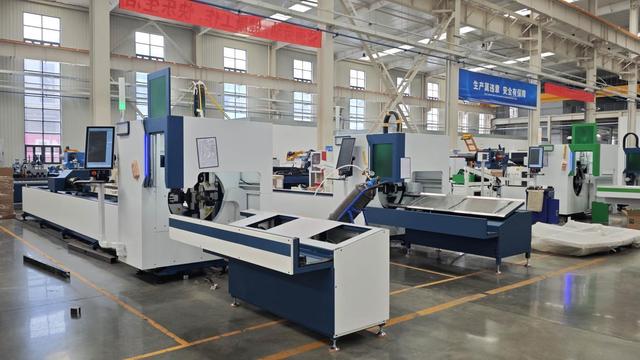
B. Heavy Construction Machinery (Automated Tube Processing): For structural machinery builders, cutting thick-walled structural tubing is a major bottleneck. Integrating the T6035 CNC fiber laser tube cutter with automatic loading systems lets factories run unattended production blocks. Raw tubes are fed, measured, rotated, cut with complex weld-prep bevels, and sorted. This eliminates manual layout, band sawing, and secondary bevel grinding in a single pass.
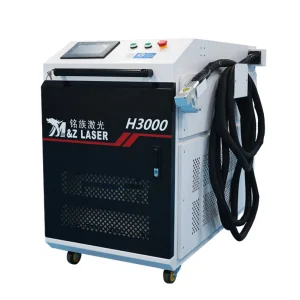
C. High-Density Power Generation (Laser Cladding Systems): Rotors, shafts, and turbine blades are subjected to extreme wear and thermal fatigue. Instead of replacing these high-value components, power stations use smart-controlled 6000W laser cladding systems to deposit high-performance alloys onto worn surfaces. This restores original tolerances, increases surface hardness, and extends the operational lifespan of power generation infrastructure by over 150%.
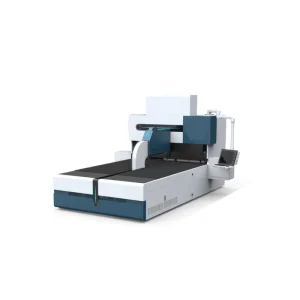
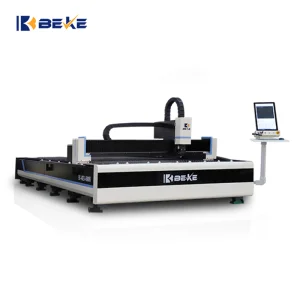
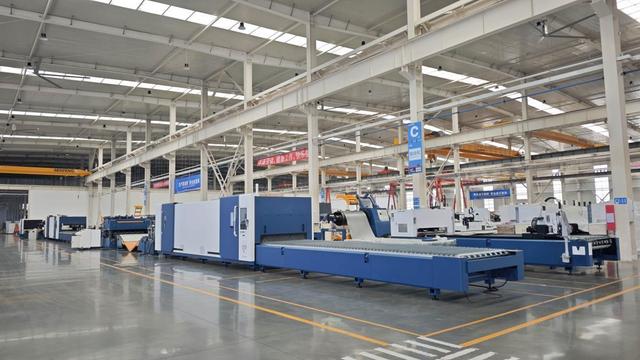
D. Precision Sheet Metal Fabrication (Shuttle-Table Platforms): High-mix, low-volume job shops face frequent material changes. Using industrial fiber laser cutters with automated exchange tables (like the P3015) lets operators load raw sheets on one table while the machine processes another. This ensures beam runtime remains above 85%, preventing idle machine time during sheet alignment and parts sorting.
The horizon of industrial laser manufacturing points toward deeper AI-driven process optimization, multi-wavelength adaptation, and hybrid machining systems. Key innovations currently entering production environments include:
Procuring heavy industrial equipment across international borders requires a structured Standard Operating Procedure (SOP) to ensure alignment between client specifications and factory outputs. Key phases in the procurement cycle include:
Get professional answers to technical and regulatory questions about CE certified automated laser cutting systems.
CE Certification demands strict adherence to the Machinery Directive and optical safety regulations (specifically EN 60825-1). The laser cabin must be fully enclosed with light-tight, wavelength-specific protective materials to prevent scattered Class 4 laser radiation. Safety door interlocks must instantly cut power to the laser source when the cabin is opened, and dynamic exhaust systems must safely filter hazardous particulate emissions.
Fiber lasers operate at a 1.06μm wavelength, which is absorbed far more efficiently by metals than the 10.6μm wavelength of CO2 lasers. This provides faster cutting speeds for thin-to-medium sheet metals, lower energy consumption (wall-plug efficiency of 30%+ vs 8-10% for CO2), and eliminates the need for expensive mirror alignment systems or laser gas mixtures.
Integrating automatic loading/unloading systems cuts cycle times by minimizing idle machine time during sheet exchange. This enables continuous production, increases overall equipment effectiveness (OEE) by up to 45%, and reduces labor costs. It also ensures consistent material handling, minimizing scratching and component damage.
Our systems process carbon steel, stainless steel, aluminum, brass, copper, and highly reflective specialty alloys. By adjusting assist gases (Oxygen for carbon steel; Nitrogen or high-pressure Compressed Air for oxidation-free cuts on stainless steel and aluminum), the systems optimize edge quality and speed for each material grade.
Every machine bed undergoes strict thermal treatment (annealing) to eliminate welding stresses before precision machining. We calibrate linear guide paths using laser interferometers, ensuring positioning accuracy is held to ±0.03mm and repeatability to ±0.02mm under continuous operation.
Shanghai Datum provides complete technical support via cloud diagnostics, phone support, and on-site engineering team deployments. We maintain rapid parts shipping protocols to minimize downtime, keeping production lines operating efficiently worldwide.
Explore our high-power laser configurations, heavy-duty tube cutters, and dynamic cladding systems designed for heavy industry.