Datum Machine
Datum Machine
Datum Machine
Browse our cutting-edge systems engineered for high precision, optimized speed, and long-term durability across global manufacturing facilities.
In the current era of advanced manufacturing, the demands placed upon structural metal fabrication, microelectronics processing, and industrial assemblies have undergone a paradigm shift. Standard machining methodologies are rapidly being replaced by precision laser systems capable of micrometer-level accuracy, zero mechanical wear, and unmatched operational throughput. As global supply chains optimize for velocity and reduced raw material waste, the role of high-power fiber and hybrid laser equipment has transition from a modern upgrade to a core infrastructure requirement.
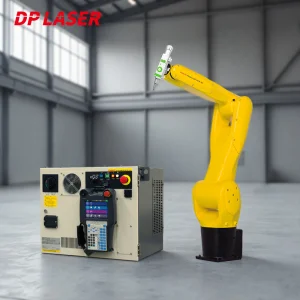
Across key industrial markets—including North America, the European Union, Southeast Asia, and South America—precision laser cutting, welding, and surface treatment technologies are serving as the backbone for next-generation automated assembly lines. In the automotive sector, the adoption of high-tensile sheet metal components and complex 3D profiles requires laser setups with multi-axis capabilities (such as the 6-axis cobot and robotic arm platforms) to complete intricate cuts on molded chassis elements without introducing micro-cracks or heat deformation. Similarly, the consumer electronics sector leverages highly specialized hybrid systems that can alternate between metal and non-metal substrates with positioning tolerances as tight as ± 0.01mm.
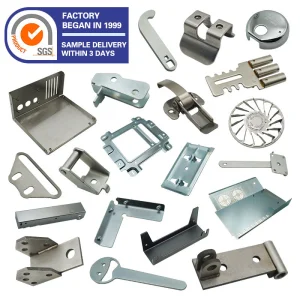
Processing advanced superalloys, high-strength steel (HSS), and complex carbon composites with absolute heat-affected zone (HAZ) control to safeguard structural integrity.
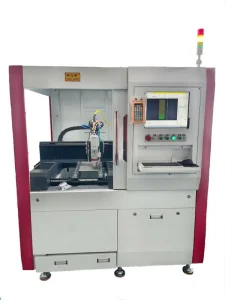
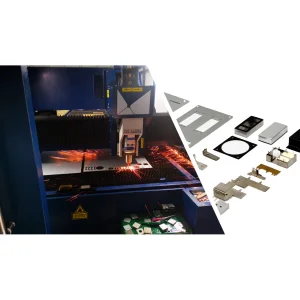
Sub-millimeter cutting, precise via-hole drilling, and hybrid CO2/fiber processing of silicon, ceramics, and ultra-thin copper sheets in cleanroom environments.
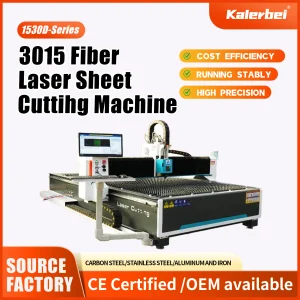
Heavy duty profile cutting, pipe nesting, and high-efficiency plate preparation for structural engineering, civil infrastructure, and heavy machinery.
The industrial laser ecosystem has transitioned from flashlamp-pumped Nd:YAG lasers to solid-state fiber laser technology. Fiber lasers operate at a wavelength of approximately 1.06 micrometers, providing an absorption rate in metals that is significantly higher than traditional CO2 lasers. This allows for rapid processing speeds while dramatically lowering electrical consumption. Under the manufacturing direction of organizations like Shanghai Datum Machine Co., Ltd., the integration of premium optical components and highly specialized drive mechanisms has set new benchmarks for reliability.
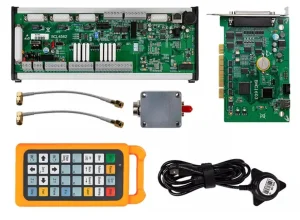
Modern CNC cutting relies on advanced interpolation controllers like the FSCUT suite (Fscut1000, 2000, 3000 series). These systems handle real-time loop feedback adjustments, look-ahead path planning, and fly-cutting routines. When coupled with high-speed servo motors and precision helical rack-and-pinion drives, the physical chassis of the cutter can withstand accelerations up to 1.5G without losing positioning fidelity. This is critical when executing complex, tightly nested geometries on aluminum or copper plates, where thermal accumulation could otherwise lead to edge deformation.
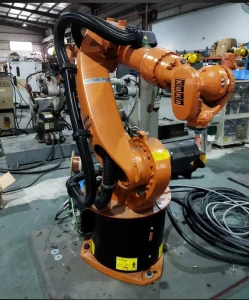
For three-dimensional component processing, such as automotive hydroformed tubes, structural framing, or curved chassis segments, 2D gantry cutting is insufficient. The contemporary technology roadmap highlights the integration of high-performance 6-axis robotic arms (such as KUKA or proprietary cobots) with fiber laser heads. This allows the laser focal point to remain perfectly perpendicular to the material surface across complex spatial paths. Real-time path correction, collision avoidance protocols, and pneumatic sensor integration ensure these automated lines run continuously with minimal human supervision.
| Laser Source Type | Common Wavelength | Ideal Application Profiles | Primary Industrial Advantage |
|---|---|---|---|
| Fiber Laser (Raycus/IPG) | 1.06 μm | Stainless Steel, Brass, Carbon Steel, Aluminum, Copper | High absorption in metals, rapid speeds, low maintenance |
| CO2 / Gas Laser | 10.6 μm | Non-Metals, Wood, Acrylics, Thick Polymers | Excellent edge finish on organic/synthetic substrates |
| Hybrid Laser Systems | Co-aligned dual wavelength | Mixed PCB assemblies, composite material sheets | Uncompromised flexibility for metal/non-metal structures |
| Pulsed Nd:YAG / Fiber | 1.06 μm (pulsed) | Precision marking, micro-drilling, thin foil cutting | Minimal Heat-Affected Zone (HAZ), micro-level precision |
Choosing the correct auxiliary gas—whether Nitrogen, Oxygen, or Clean Compressed Air—plays a vital role in determining cut edge quality. Oxygen reactions generate supplementary heat, facilitating the processing of extremely thick mild steel plates. In contrast, high-purity Nitrogen prevents oxidation, ensuring clean, weld-ready edges on stainless steel and aluminum. Modern automated cutting systems adjust gas flow, pressure, and nozzle clearance dynamically, minimizing gas usage while ensuring clean cuts that require zero secondary finishing operations.
Understanding regional requirements is a critical factor for international buyers. Industrial operations in Western Europe require compliance with strict safety directives (CE/FDA Class 1 enclosures with laser-safe viewing glass), whereas factories in rapidly growing manufacturing centers in Southeast Asia focus on versatility, simplified maintenance, and fast transition times between production batches.
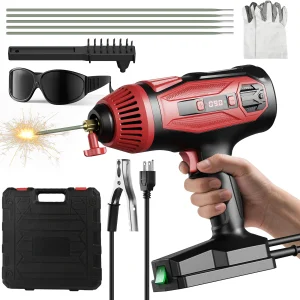
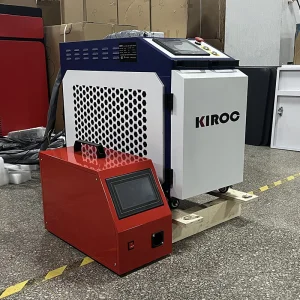
For mid-sized metal fabrication facilities, incorporating a 3-in-1 laser system (integrating welding, cutting, and surface cleaning within a single compact hand-held platform) optimizes shop space and lowers labor costs. These tools allow operators to clean rust or scale from materials, perform precise joins, and trim profiles without switching workstations, increasing overall output.
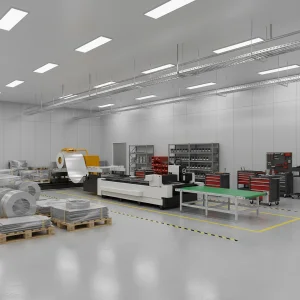
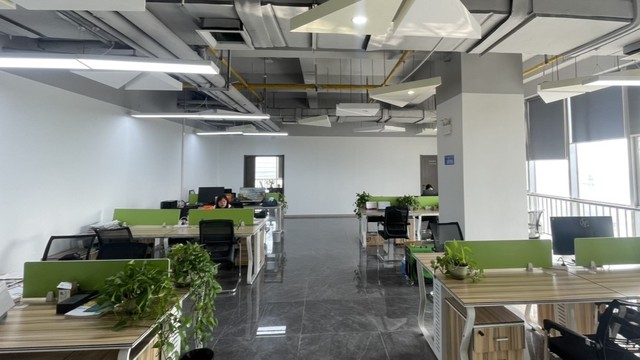
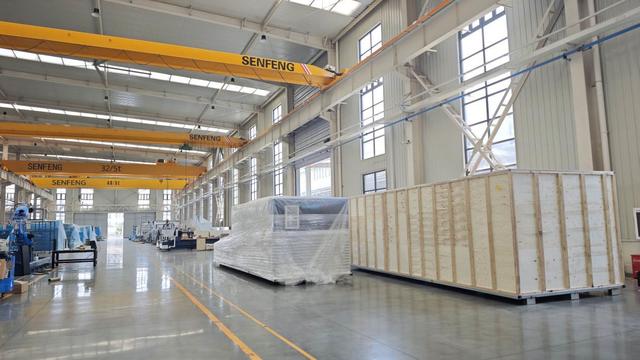
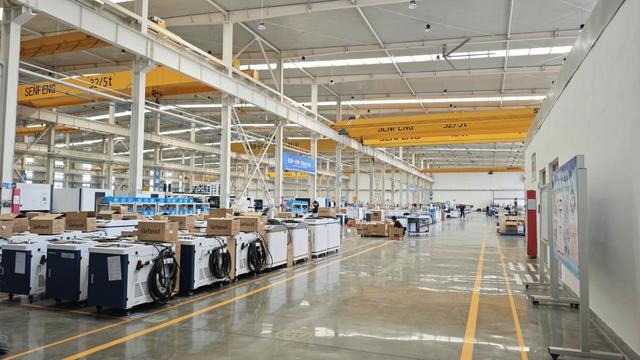
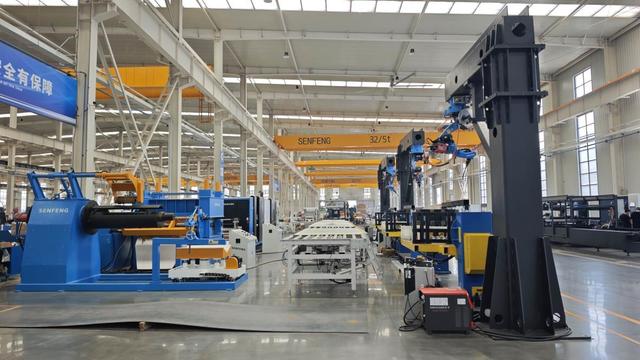
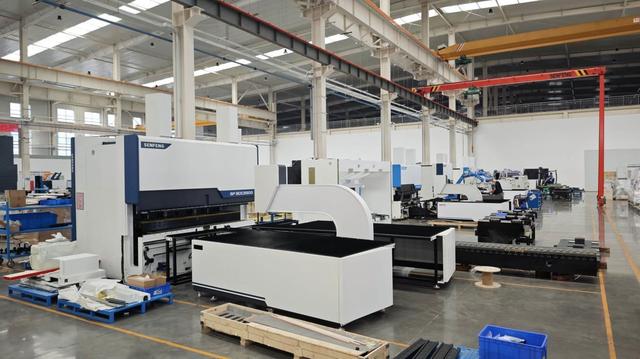
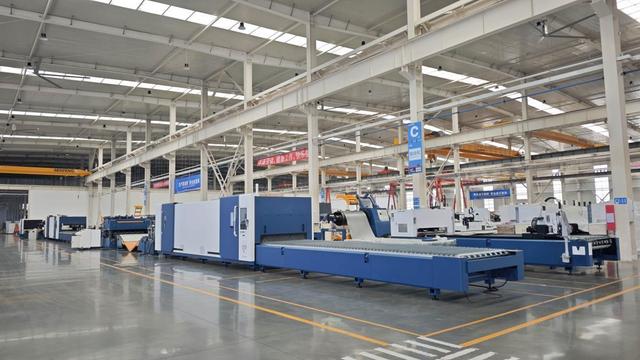
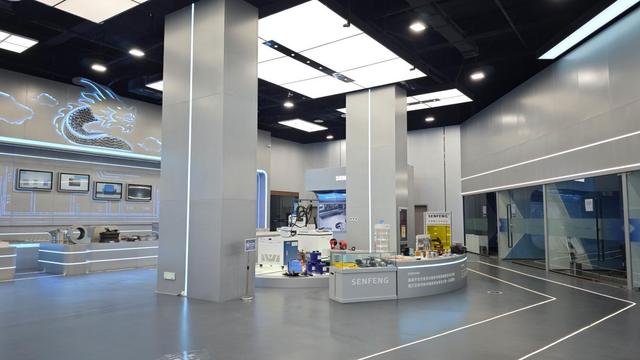
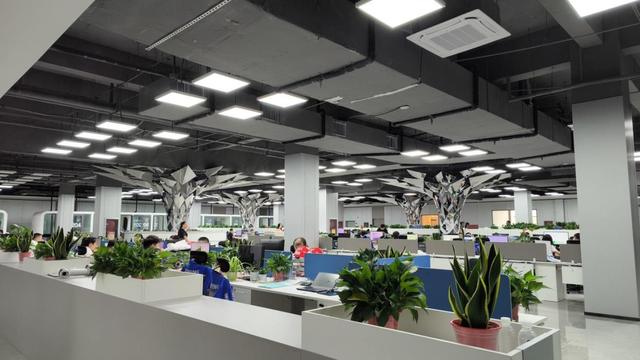
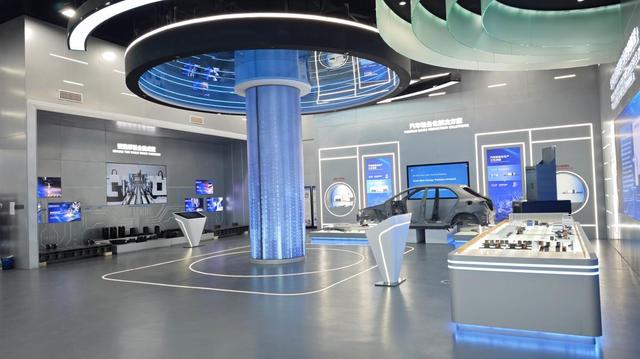
As a leading China automation laser cutting manufacturer, Shanghai Datum Machine Co., Ltd. specializes in designing, assembling, and exporting high-performance fiber laser cutting systems, CNC cutting solutions, and automated smart manufacturing lines. Operating from a modern production facility, the company integrates design, strict quality control, and responsive customer support to deliver reliable systems to industrial customers worldwide.
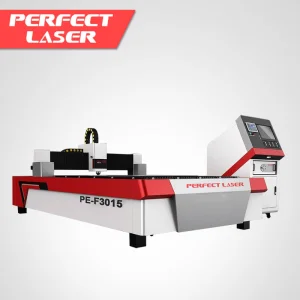
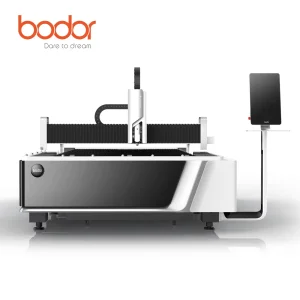
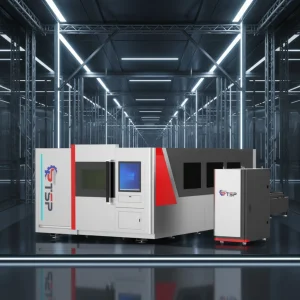
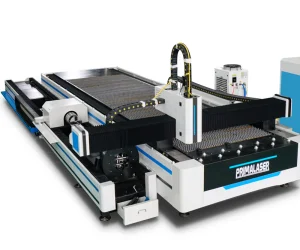
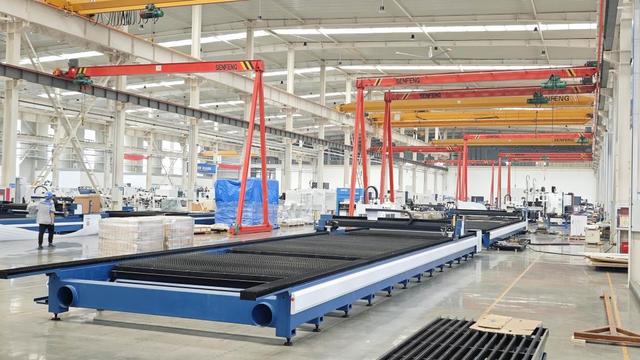
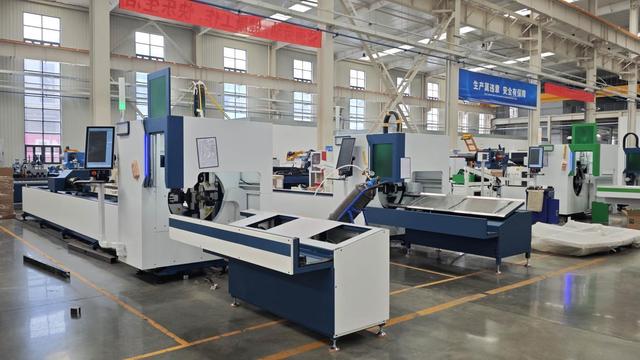
Our comprehensive product portfolio includes heavy-duty fiber laser cutting tables, automated tube and pipe processing systems, multi-axis robotic 3D cutting cells, and customized automated loading/unloading lines. By using high-quality components from international suppliers (including IPG, Raycus, FSCUT, and KUKA) and conducting strict testing at every stage of production, we ensure our machinery meets international standards for safety, performance, and long-term durability.
This Q&A section addresses key technical details, quality standards, and integration requirements to help procurement teams make informed decisions when sourcing laser machinery.
From automated multi-axis cobots and specialized controller upgrades to high-power sheet cutting systems, discover the equipment driving modern metal fabrication.