Datum Machine
Datum Machine
Datum Machine
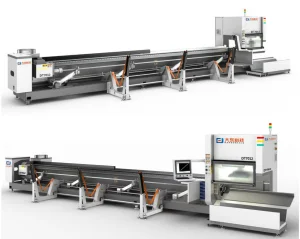
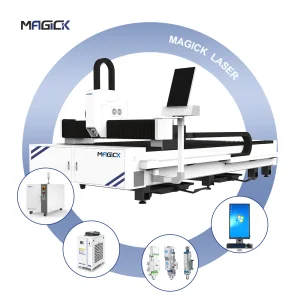
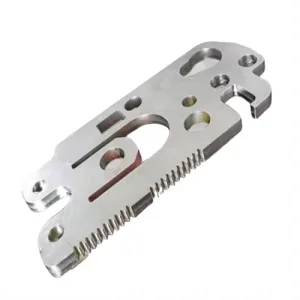
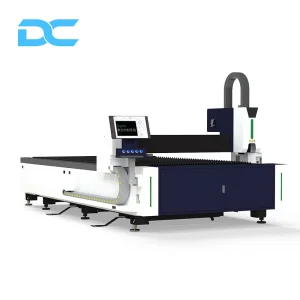
Mitigating thermal distortion, microstructure alteration, and micro-cracking through advanced multi-axis fiber laser systems.
The aerospace manufacturing landscape is characterized by its uncompromising requirements for quality, dimensional repeatability, and safety. Components operating within turbine engines, exhaust manifolds, wing structures, and fuselage panels are subjected to extreme thermal cycles, oxidative environments, and mechanical stresses. For aerospace supply chains, selecting an OEM laser cutting partner requires verifying capabilities that far exceed traditional job-shop sheet metal fabrication.
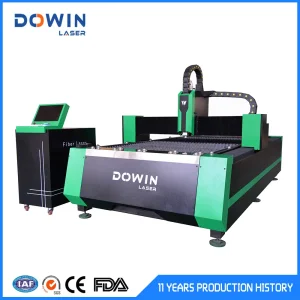
Traditional thermal and mechanical separation methods often introduce microstructural shifts, excessive Heat-Affected Zones (HAZ), micro-fissures, and surface roughness variations that lead to mechanical fatigue. Custom OEM fiber laser processing, integrating automated kinematics and inert assist gases, has transitioned from a supplemental operation to a core manufacturing benchmark. This technology enables high-throughput processing of specialized aerospace alloys while maintaining strict metallurgical integrity.
Alloys like Titanium Ti-6Al-4V, Inconel 718, Hastelloy, Cobalt-Chromium, and aerospace-grade Aluminum 7075 exhibit extreme thermal sensitivity. Standard laser cutting risks altering their grain structure. Our specialized OEM fiber laser setups utilize precise pulse-width modulation and clean gas dynamics to limit structural heat input.
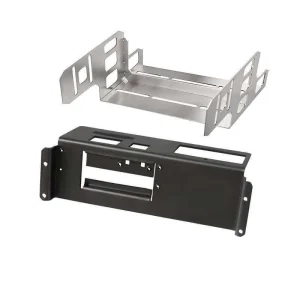
Non-contact CNC laser cutting prevents mechanical deflection and workpiece strain, ensuring that thin-gauge sheet assemblies remain free of distortion and structural deviations.
Controlled laser beam profiles, high-speed tracking, and optimized nitrogen/argon purge paths reduce localized heat absorption to prevent oxidation layers and edge hardening.
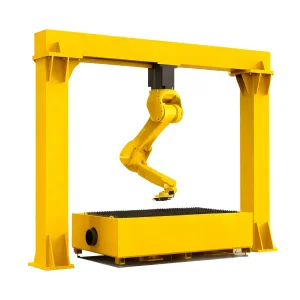
Integration of multi-axis robotic arms and high-precision rotary axes allows for clean profiling of deep-drawn, curved, and tubular structures typical in modern airframe components.
Understanding Tier-1/Tier-2 specifications, material compliance, and the strategic imperative for lean fabrication cycles.
Global aerospace procurement is characterized by strict requirements regarding risk management, component traceability, and manufacturing quality. Tier-1 defense and commercial aerospace contractors require subcontractors to demonstrate comprehensive compliance with standards such as AS9100 Rev D, ISO 9001:2015, and NADCAP (National Aerospace and Defense Contractors Accreditation Program) for specialized processes. When procuring laser cutting services or high-power industrial machinery, suppliers must confirm their ability to consistently meet these strict process controls.
In addition to quality compliance, supply chain resiliency requires optimizing material yield. Due to the high cost of raw aerospace metals, such as nickel-based superalloys and titanium billets, maximizing nesting efficiency is a key cost driver. Advanced nesting software integrated with modern CNC fiber lasers helps limit scrap margins, while high cutting speeds reduce overall cycle times. OEMs seek automated laser cutting equipment that features material loading/unloading capabilities to support continuous, unmanned operation, reducing dependency on manual labor and lowering operational risks.
Aerospace parts require comprehensive documentation, including Mill Test Reports (MTRs), heat numbers, and inspection records. OEM cutting lines must maintain this data throughout the fabrication cycle, ensuring that raw material properties match finished parts.
Maintaining consistent cutting speeds, auxiliary gas flow pressures (e.g., 99.999% purity Nitrogen), and laser focus parameters ensures uniform edge characteristics across production lots, minimizing part-to-part variation.
Developing robust machinery and systems capable of sustaining high quality in tough production environments.
Aerospace components rarely feature simple geometries. Curved engine nacelles, high-flow fuel nozzle paths, and custom structural ribs require 3D laser profiling. Our technical roadmap emphasizes integrating 5-axis and 6-axis robotic articulation with dynamic autofocus cutting heads. By constantly adjusting the nozzle angle relative to the surface normal, the system ensures consistent kerf geometry and cuts without dross.
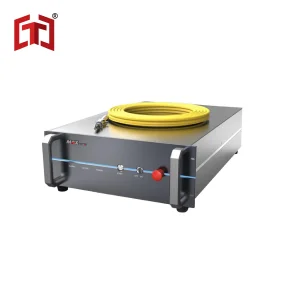
Additionally, integration of closed-loop optical feedback systems enables real-time monitoring of the melt pool. The system detects variations in thermal emission, allowing it to adjust cutting speed or laser output on the fly, reducing scrap rates and optimizing consistency.
Oxygen-assisted cutting on titanium or aluminum forms brittle oxide layers, which must be mechanically removed prior to downstream welding. Utilizing high-pressure Nitrogen (or customized Argon mixes for highly reactive metals) maintains a clean metallic edge. This process eliminates post-laser pickling or grinding, reducing manufacturing lead times while supporting high structural integrity during final assembly.
Developing systems that dynamically adjust the laser beam mode profile (e.g., ring mode vs. Gaussian profile) to balance speed and cut quality across varying metal thicknesses.
Integrating high-speed optical sensors in the laser head to monitor thermal emissions, dynamically adjusting cutting parameters to prevent dross formation.
Combining automated load/unload platforms with algorithmic nesting software to reduce raw material waste and shorten handling times for complex components.
Ensuring compliance with international standards and strict dimensional specifications through measurement and testing.
To verify the mechanical integrity of laser-cut parts, manufacturers implement multiple inspection methods. Coordinate Measuring Machines (CMM) and optical scanners compare physical parts against 3D CAD data to confirm dimensional compliance. Non-Destructive Testing (NDT) methods, such as liquid penetrant testing, check cut edges for micro-cracks or delamination, which is especially important for high-stress components like wing ribs and turbine structures.
Furthermore, machine calibration protocols must be performed regularly. Laser power density checks, optical alignment tests, and linear axis accuracy validations ensure long-term stability. By tracking parameters like nozzle condition, focal point drift, and gas purity, operators can prevent quality deviations before they occur, supporting high reliability in aerospace supply chains.
Integrating Coordinate Measuring Machine verification to monitor key features and ensure dimensional tolerances remain within specified limits.
Applying dye penetrant and ultrasonic inspections along laser cut edges to ensure no microscopic cracks or structural flaws are present.
A leading Chinese manufacturer specializing in automated laser cutting systems, CNC solutions, and smart manufacturing equipment.
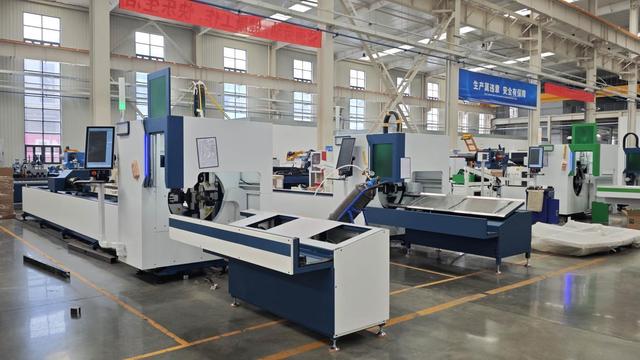
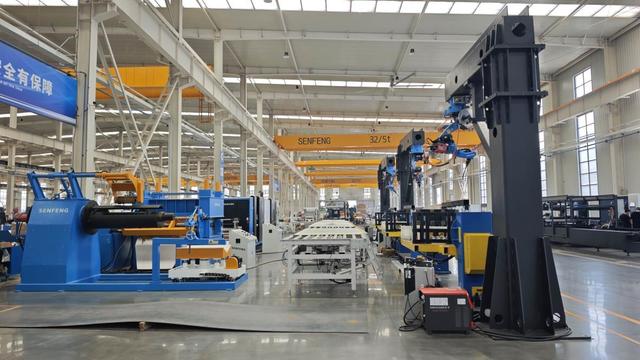
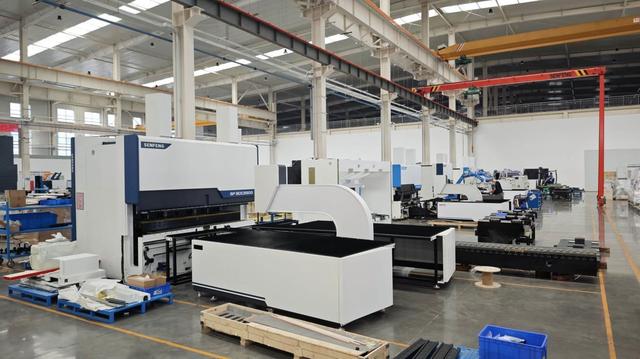
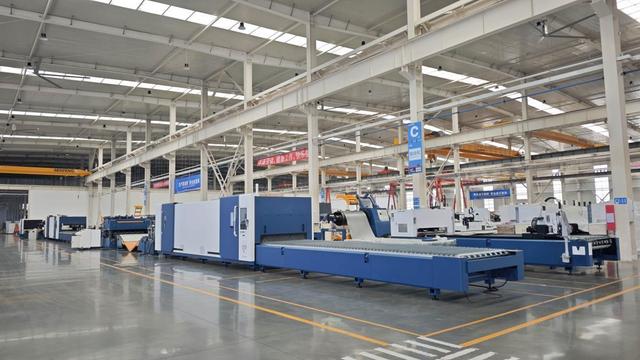
Shanghai Datum Machine Co., Ltd. is a professional China automation laser cutting manufacturer specializing in fiber laser cutting systems, CNC cutting solutions, and smart manufacturing equipment for global industrial customers. With extensive experience in advanced manufacturing technologies, we are dedicated to providing high-performance automation solutions that improve productivity, precision, and operational efficiency across a wide range of industries.
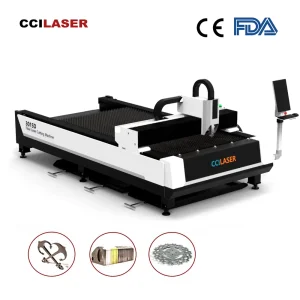
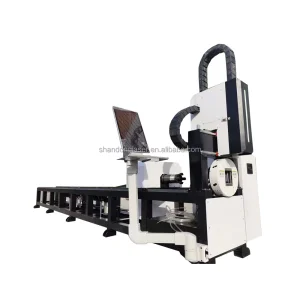
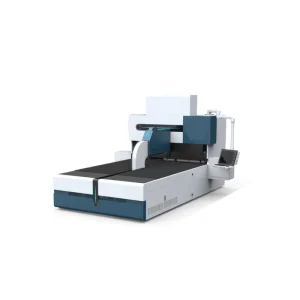
Our product portfolio includes fiber laser cutting systems, CNC laser cutting equipment, tube laser cutting machines, sheet metal processing solutions, robotic laser cutting systems, automated loading and unloading systems, laser production lines, and customized manufacturing automation solutions. Designed to meet the evolving demands of modern factories, our equipment delivers exceptional cutting accuracy, high-speed performance, reduced material waste, and reliable long-term operation.
At Datum Machine, innovation is at the center of our development strategy. Our engineering team continuously integrates intelligent control technologies, automation systems, and advanced manufacturing concepts to help customers build more efficient and flexible production environments. From standalone laser cutting equipment to fully integrated smart factory solutions, we provide comprehensive support tailored to each customer's production requirements.
Quality and reliability are fundamental to our manufacturing philosophy. We maintain strict quality control procedures throughout design, production, testing, and delivery to ensure every system meets international performance and safety standards. Our modern manufacturing facilities and experienced technical team enable us to provide consistent quality and dependable service for customers worldwide.
Serving clients across automotive, metal fabrication, machinery manufacturing, construction, aerospace, electronics, and industrial processing sectors, Shanghai Datum Machine Co., Ltd. has established a strong reputation for advanced technology, customized solutions, and responsive customer support. We are committed to becoming a trusted global partner in automation laser cutting, helping manufacturers achieve higher efficiency, smarter production, and sustainable growth through innovative laser processing technologies.
Addressing key engineering inquiries regarding material behavior, process standards, and system selection.