Datum Machine
Datum Machine
Datum Machine
High-efficiency fiber laser cutting and fabrication systems engineered to comply with Japanese manufacturing standards and industrial requirements.
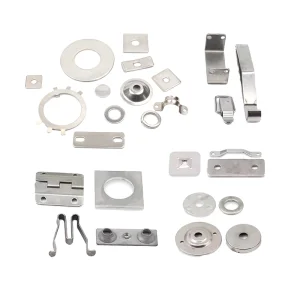
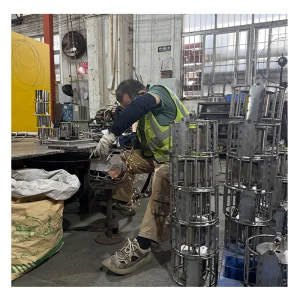
The Tokyo metropolitan area, as the central economic engine of Japan and the Kanto region, serves as the global nerve center for leading automotive conglomerates, Tier-1 system developers, and advanced precision engineering facilities. While mass vehicle assembly has moved to specialized regional hubs like Aichi, Tochigi, and Gunma, Tokyo remains the critical center for high-tech R&D, prototype fabrication, tooling design, and highly complex component sourcing. As Japan accelerates its transition toward sustainable mobility and Next-Generation Vehicles (NGVs), Tokyo-based automotive suppliers face unprecedented demands to optimize structure weights, cut cycle times, and integrate flexible production methodologies.
In this demanding ecosystem, laser cutting technology has shifted from a peripheral processing tool to a core component of advanced structural engineering. Whether fabricating high-tensile steel structural pillars, forming complex engine exhaust manifolds, or shaping lightweight aluminum battery boxes for electric vehicles (EVs), Tokyo's industrial networks require systems that guarantee absolute repeatability, minimal thermal deformation, and zero structural compromises. Leveraging state-of-the-art fiber laser cutting machines allows local and partner exporters to deliver parts that fulfill these strict Japanese Industrial Standards (JIS) while adhering to tight Just-In-Time (JIT) delivery protocols.
The Kanto industrial belt (comprising Tokyo, Kanagawa, Saitama, and Chiba) focuses heavily on extreme miniaturization, low-tolerance component stamping, and ultra-durable assemblies. Partnering with a specialized exporter like Shanghai Datum Machine guarantees that Tokyo OEMs can leverage modern automated fiber cutting technology, cutting production overheads while maintaining strict alignment with Japanese Tier-1 design blueprints.
The automotive industry is undergoing its most radical transformation in a century. This transformation is driven by three main technological forces: vehicle electrification, structural lightweighting, and manufacturing digitalization. In this context, conventional tool-and-die stamping methods are proving too rigid and expensive for modern rapid prototyping and short-run production models. Advanced fiber laser cutting has emerged as the definitive solution for these modern demands. Let us analyze the key trends shaping this field globally:
A technical comparison demonstrating why modern fiber laser cutting is the superior choice for Tokyo's high-precision automotive supply chain compared to conventional mechanical and legacy CO2 systems.
| Performance Metric | High-Power Fiber Laser (Our Systems) | Legacy CO2 Laser Systems | Mechanical Stamping / Die Cutting |
|---|---|---|---|
| Processing Speed (Thin Sheets) | Ultra-High (Up to 80m/min depending on power) | Moderate (Max 20-30m/min) | Very High (Cycle limited only by stroke speed) |
| Tooling & Setup Costs | Zero Tooling Cost (Direct CAD-to-G-code import) | Zero Tooling Cost | Extremely High ($10k-$100k per custom die set) |
| Heat Affected Zone (HAZ) | Minimal (Highly concentrated focal spot) | Moderate (Broader thermal footprint) | None (Cold mechanical shear, but introduces edge stress) |
| Material Versatility | Carbon Steel, Stainless, Brass, Aluminum, Copper | Highly restricted with reflective metals | Restricted by sheet thickness and mechanical strength |
| Edge Finishing Quality | Burr-Free, Laser-smooth ready for welding | Slight dross formation on bottom edge | Deformation, micro-cracks, and shear burrs |
| Design Flexibility | Infinite (Instantly adjust cut paths via software) | Infinite | Rigid (Requires completely new physical dies) |
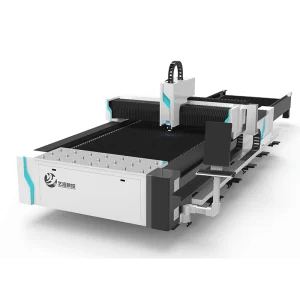
Discover our specialized range of multi-axis fiber lasers and integrated systems designed to process heavy structural elements and complex exhaust paths.
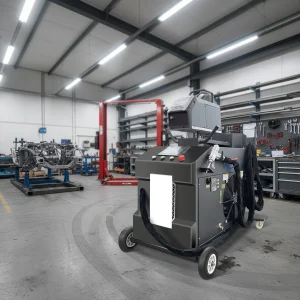
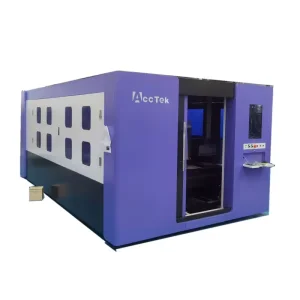
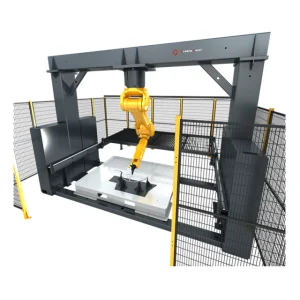
The global automotive supply chain is facing geopolitical challenges, fluctuating raw material costs, and logistical disruptions. For Tokyo automotive companies, maintaining cost control while upgrading machinery requires finding reliable overseas manufacturing partners. As a hub of China's smart manufacturing sector, Shanghai Datum Machine Co., Ltd. has bridged the gap between advanced engineering and cost-effective production, helping to build resilient supply chains.
China's Industry 4.0 strategy is built on integrating automated manufacturing, high-density component ecosystems, and skilled technical labor. Unlike regional manufacturers that outsource critical components, Chinese laser cutting system developers operate within a highly integrated domestic ecosystem. From raw steel casting to high-end fiber laser resonators (such as Raycus and IPG) and smart CNC controllers (Cypcut), every link of the supply chain is optimized for high output and rapid development. This close integration allows us to deliver machines at competitive price points while maintaining advanced technology standards.
To understand how laser cutting machinery integrates into daily operations, we look at the specific requirements of Tokyo's specialized manufacturing districts:
Tokyo's Ota City is famous for its dense network of small-to-medium precision machine shops, many of which fabricate custom components for motorsport and high-end automotive brands. Exhaust pipes demand clean, continuous cuts on thin-walled stainless steel and titanium tubes. Our 3D CNC tube laser systems execute complex saddle cuts and fishmouth joints, ensuring perfect fitment for subsequent robotic welding operations.
As major Japanese brands accelerate their EV production lines in Saitama and surrounding regions, the demand for lightweight aluminum battery enclosures and structural crossmembers has surged. The 6000W ultra-large format fiber laser systems provide the speed and continuous operation needed to process heavy-gauge aluminum sheets with high edge quality, reducing post-processing steps.
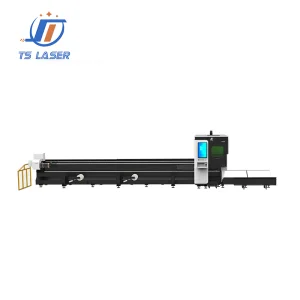
The manufacturing of seat frames, dashboard brackets, and door structural components requires processing complex, multi-bent tubular elements. Our side-mounted precision tube laser cutting systems feature automated loading to process square, round, and oval tubes at high speeds, minimizing handling times and maximizing material yield.
Expert answers addressing the technical, structural, and logistical considerations for importing high-capacity fiber laser systems to the Tokyo metropolitan region.
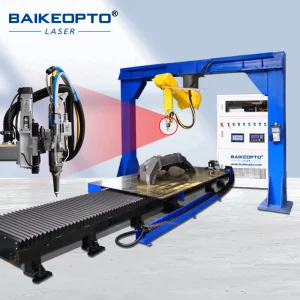
A comprehensive range of high-precision CNC cutters, sheet metal processing units, and robust robotic platforms serving Tokyo's industrial sectors.
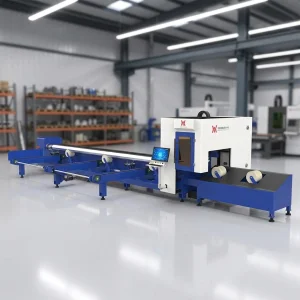
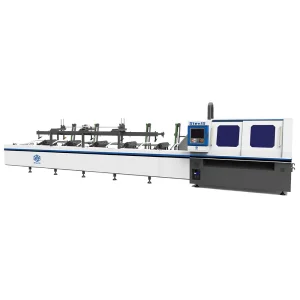
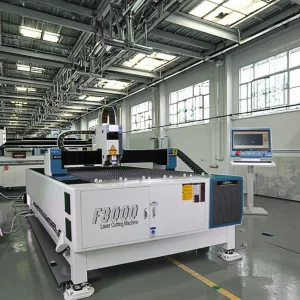
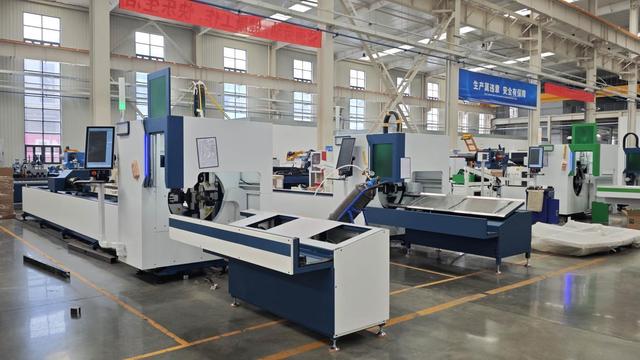
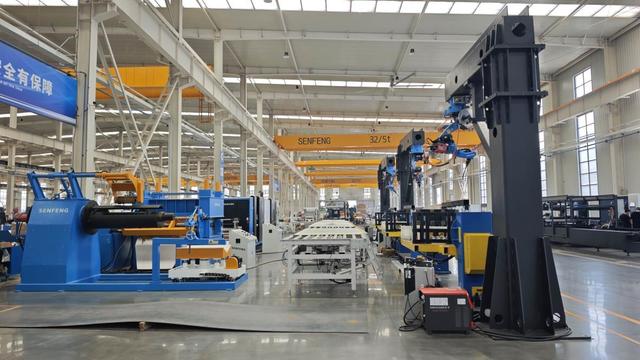
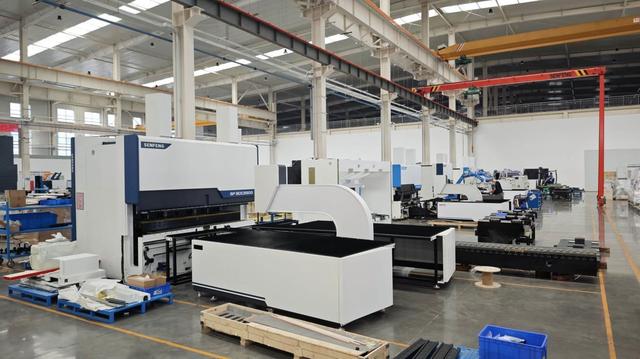
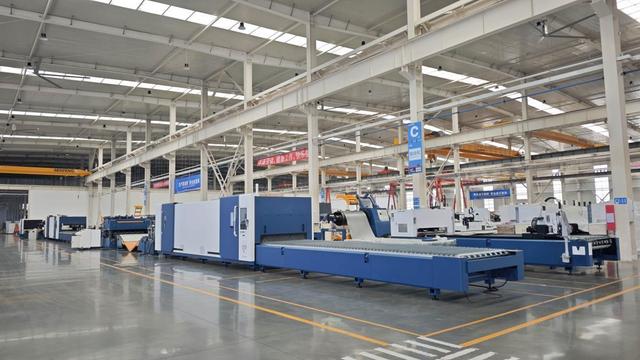
Shanghai Datum Machine Co., Ltd. is a professional China automation laser cutting manufacturer specializing in fiber laser cutting systems, CNC cutting solutions, and smart manufacturing equipment for global industrial customers.
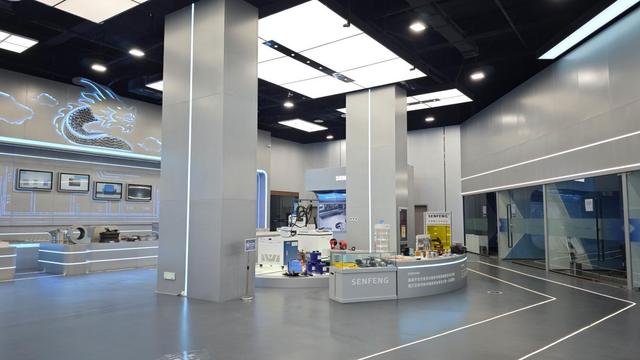
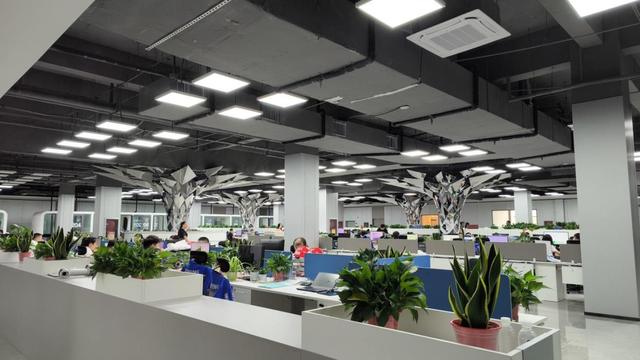
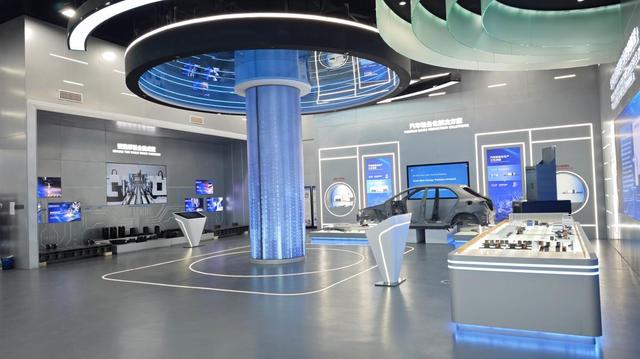
Shanghai Datum Machine Co., Ltd. is a professional China automation laser cutting manufacturer specializing in fiber laser cutting systems, CNC cutting solutions, and smart manufacturing equipment for global industrial customers. With extensive experience in advanced manufacturing technologies, we are dedicated to providing high-performance automation solutions that improve productivity, precision, and operational efficiency across a wide range of industries.
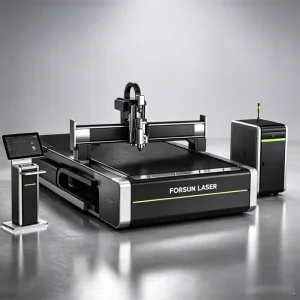
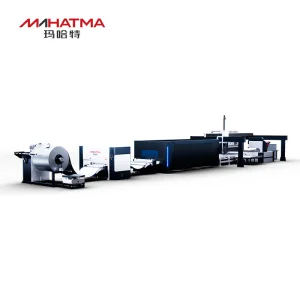
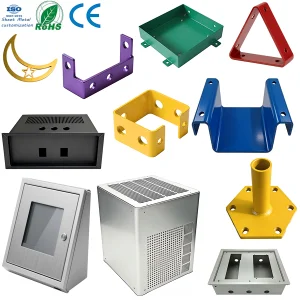
Our product portfolio includes fiber laser cutting systems, CNC laser cutting equipment, tube laser cutting machines, sheet metal processing solutions, robotic laser cutting systems, automated loading and unloading systems, laser production lines, and customized manufacturing automation solutions. Designed to meet the evolving demands of modern factories, our equipment delivers exceptional cutting accuracy, high-speed performance, reduced material waste, and reliable long-term operation.
At Datum Machine, innovation is at the center of our development strategy. Our engineering team continuously integrates intelligent control technologies, automation systems, and advanced manufacturing concepts to help customers build more efficient and flexible production environments. From standalone laser cutting equipment to fully integrated smart factory solutions, we provide comprehensive support tailored to each customer's production requirements.
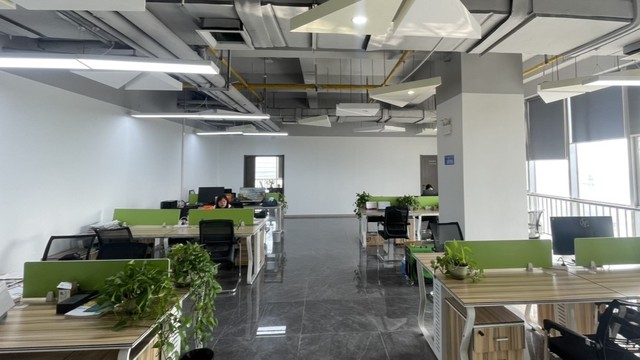
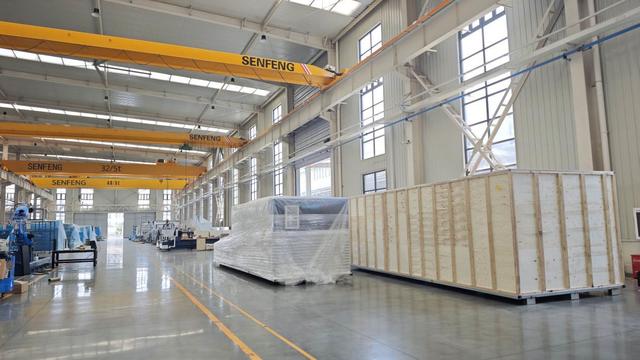
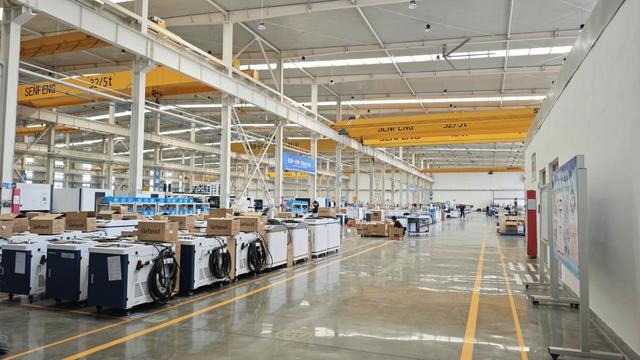
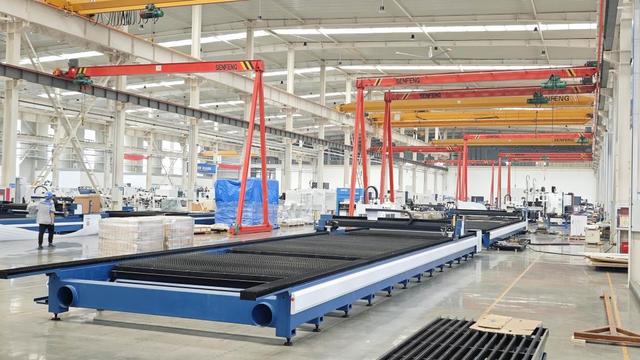
Quality and reliability are fundamental to our manufacturing philosophy. We maintain strict quality control procedures throughout design, production, testing, and delivery to ensure every system meets international performance and safety standards. Our modern manufacturing facilities and experienced technical team enable us to provide consistent quality and dependable service for customers worldwide.
Serving clients across automotive, metal fabrication, machinery manufacturing, construction, aerospace, electronics, and industrial processing sectors, Shanghai Datum Machine Co., Ltd. has established a strong reputation for advanced technology, customized solutions, and responsive customer support. We are committed to becoming a trusted global partner in automation laser cutting, helping manufacturers achieve higher efficiency, smarter production, and sustainable growth through innovative laser processing technologies.
Connect with our expert engineering team in Shanghai to configure a custom system tailored to your workshop layout and Tokyo regional delivery timelines.
Send Inquiry Now