Datum Machine
Datum Machine
Datum Machine
Explore our core engineering catalog featuring advanced, high-precision automation equipment customized for modern factory structures.
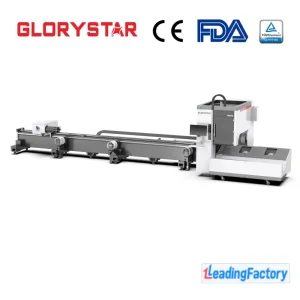
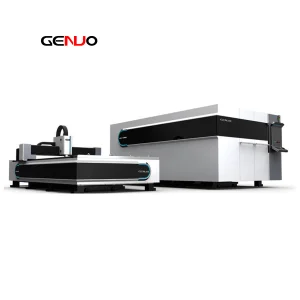
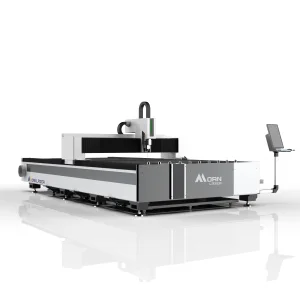
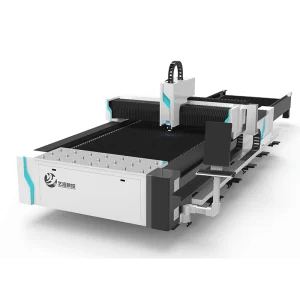
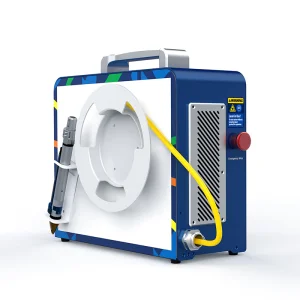
Your Trusted Partner in High-Precision CNC Laser Machining and Smart Factory Automatons
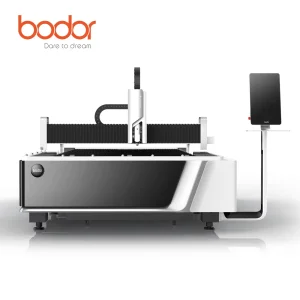
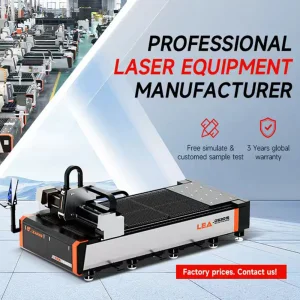
Shanghai Datum Machine Co., Ltd. stands as a vanguard among professional China automation laser cutting manufacturers, specializing in the development, engineering, and manufacturing of premium-tier fiber laser cutting systems, advanced CNC cutting mechanisms, and state-of-the-art smart manufacturing infrastructures. Tailored to the demanding conditions of global industrial users, our machinery leverages decades of research to bridge the gap between heavy structural resilience and micrometric precision.
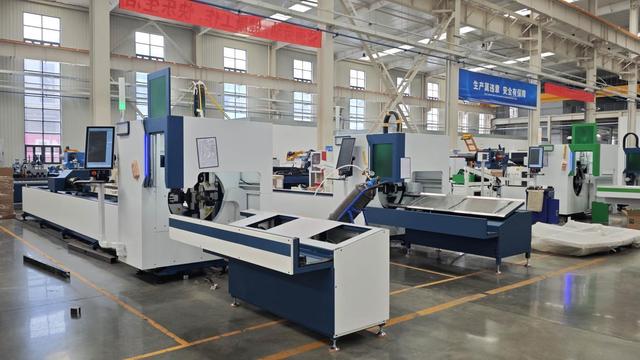
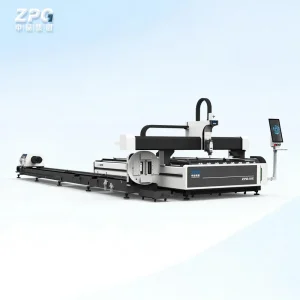
Our extensive solutions portfolio covers sheet metal processing engines, dedicated CNC tube processing machines, robotic multi-axis laser cells, automated material loading/unloading configurations, and turnkey smart production lines. Each installation is built to support modern production facilities by offering extreme repeatability, high processing speeds, minimized heat-affected zones (HAZ), and unmatched uptime.
We hold strict compliance metrics throughout engineering design, physical assembly, optical calibration, and post-sales verification. Driven by the need for industrial reliability, our systems employ components from recognized market leaders (including Bochu Cypcut controller systems and Raycus laser engines) to guarantee seamless operation under continuous multi-shift production schedules.
Analyzing the transition towards high-kilowatt power, adaptive kinematics, and multi-axis flexibility in global fabrication.
The global fabrication space is rapidly adopting ultra-high-power fiber systems, scaling from historical 3kW benchmarks to 20kW, 30kW, and even 40kW modules. Higher wattages do not merely increase maximum cut thicknesses in structural alloys; they dramatically raise cutting speeds in mid-thickness zones, reducing auxiliary gas consumption and operating cost-per-part ratios by up to 50%.
Traditional 2D flatbed cutting has expanded to include multi-axis tube and structural profile processing. Modern 3D 5-axis laser configurations allow for bevel cutting on H-beams, channel structures, and curved automotive panels. By executing bevels up to 45 degrees, manufacturers eliminate secondary weld preparation stages, facilitating direct-to-weld assembly.
Modern CNC interfaces rely heavily on intelligent software. Active collision avoidance, real-time beam path adjustments, auto-nesting layout engines, and thermal drift compensation systems protect critical optics while reducing sheet waste rates to single-digit percentages, directly addressing high raw material overheads.
Bridging the gap between capital expenditures (CAPEX), long-term operational costs (OPEX), and regulatory compliance.
Procurement officers look beyond initial purchase costs. They calculate the aggregate cost per hour of running gas, electrical draw, replacement nozzles, protect windows, and maintenance intervals. Shanghai Datum tackles this by utilizing highly efficient fiber engines with wall-plug efficiencies of up to 40%, keeping utility consumption to a minimum.
Operating high-kilowatt equipment demands rigorous adherence to health and safety frameworks. In North American and European sectors, closed cabins with OD7+ rating safety viewing windows, integrated dust collection systems, and dual-circuit safety interlocks are standard requirements. Our closed-type laser cabins guarantee full compliance with global safety regulations, protecting operators from optical hazards and fine particulates.
A major factor in production line efficiency is the communication link between shop floor machinery and ERP/MES software architectures. Shanghai Datum utilizes control networks (e.g., Bochu FSCUT series controllers) that export production logs, material consumption statistics, and uptime diagnostics directly to corporate monitoring panels, driving data-driven manufacturing management.
Every machine shipped is verified under dynamic load trials and carries international certifications, ensuring quick custom clearance and immediate local utility connection authorization.
How regional manufacturing ecosystems and vertically integrated engineering lower lead times and optimize cost structures.
The industrial base of Shanghai offers unique spatial clustering advantages. By housing component suppliers, mechanical casting operations, optical engineers, and assembly plants within close proximity, Shanghai Datum minimizes structural production delays and cuts intermediate logistical costs.
Through active collaboration with major local R&D nodes, our engineers quickly test and refine structural components, resulting in frame structures with higher resonance resistance, capable of handling rapid coordinate accelerations (up to 2.8G in dual-drive configurations).
Our machine beds undergo rigorous thermal treatment at 600°C to release inner mechanical stresses. This prevents frame deformation over decades of high-speed cutting motion, maintaining structural accuracy.
Every linear guide rail and rack layout is checked using API laser trackers. This ensures structural alignment deviation is kept below 0.02mm across the entire stroke range.
Located near major marine deepwater ports, we ship large-scale structural equipment worldwide with minimal inland transport overhead, passing those savings directly to procurement partners.
Customized machine variants configured for specialized industrial processes, structural fabrication, and product lines.
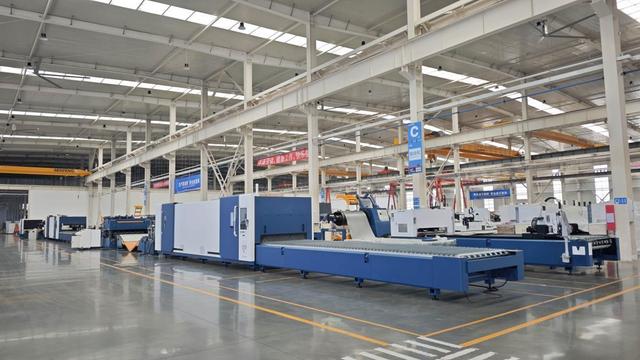
Automotive parts fabrication demands clean edges on high-strength structural sheets. Our high-kilowatt fiber systems with exchange tables cut chassis structures, body assemblies, and interior mounts with minimal thermal deformation, cutting out intermediate deburring steps.
Civil construction and structural engineering require precision cuts on structural profiles like H-beams, angle iron, and thick-walled pipes. Our 3D multi-axis systems, supporting up to 20kW, process heavy structural sections, cutting down fabrication time by up to 70% compared to traditional band-saw and mechanical punch methods.
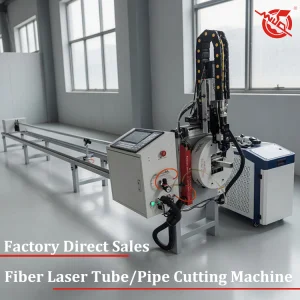
With thin-walled carbon steel, stainless steel, and brass pipe profiles dominating modern furniture designs, clean, slag-free, and rapid processing is vital. Dedicated CNC tube systems (e.g., Glorystar 1kW setups) enable swift joint profiling, slotting, and intricate shape processing, keeping secondary polishing requirements down.
The laser cutting process is only the first step. For visual structural surfaces, subsequent finishing is key. Integrating specialized post-processing equipment (like our Industrial Metal Plate Grinding Polisher) ensures slag remains, sharp corners, and micro-burrs are safely and uniformly removed, preparing surfaces for paint or powder coating applications.
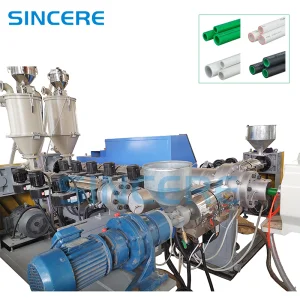
To complement our high-performance metal processing machinery, Shanghai Datum also designs auxiliary industrial equipment, including advanced PPR three-layer pipe extrusion systems. These support structural and industrial water piping installations in factory-wide environments, demonstrating our capacity to scale across multiple material processing fields.
Direct answers to common technical queries from procurement managers and plant engineers.
Explore our multi-axis profile cutters, post-processing grinding solutions, and custom robotic system installations.
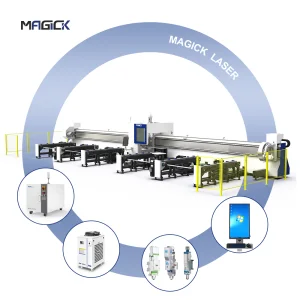
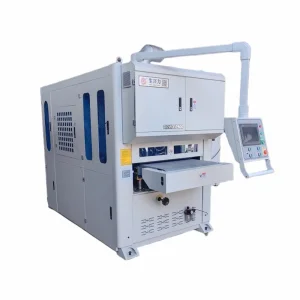
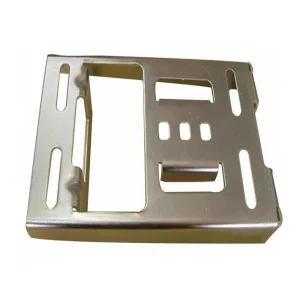
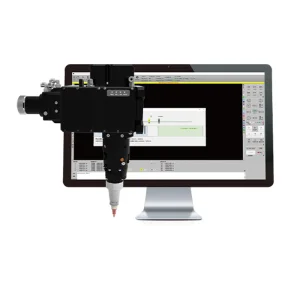
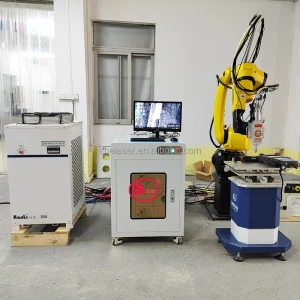
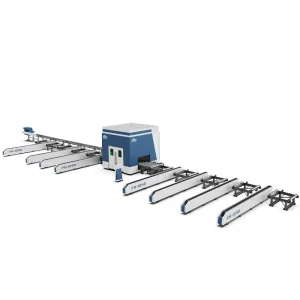
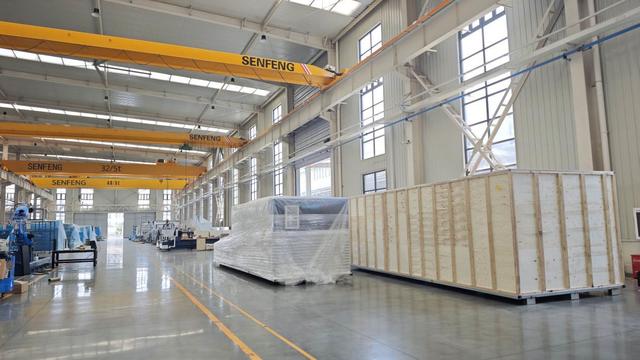
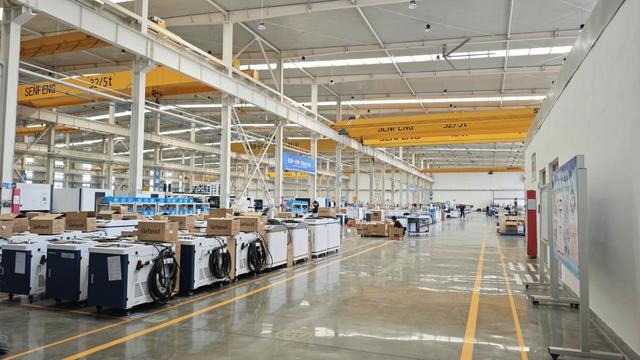
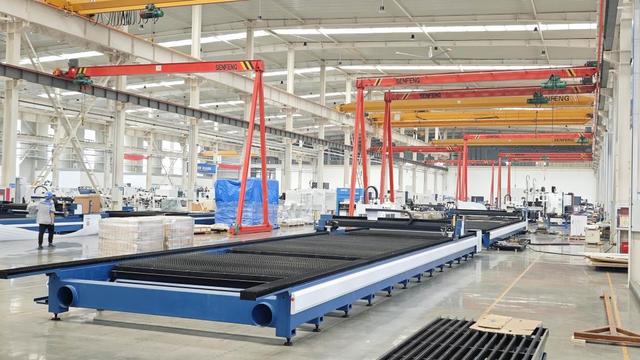
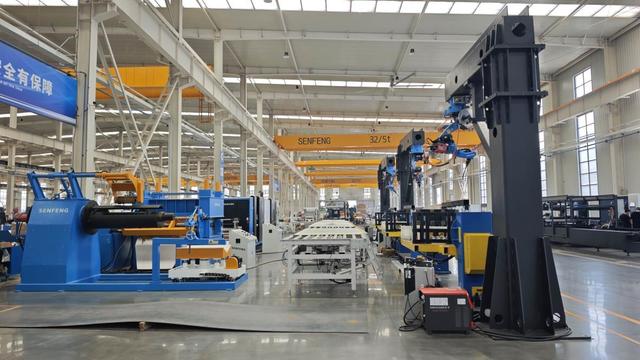
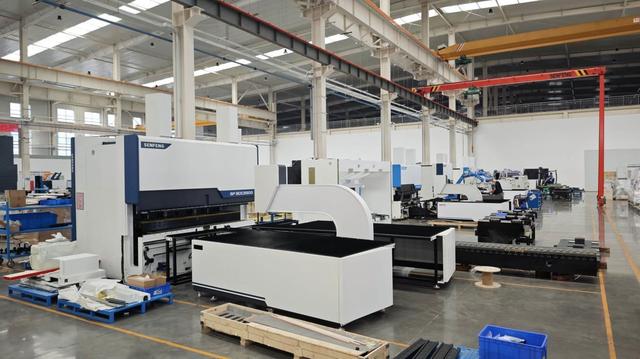
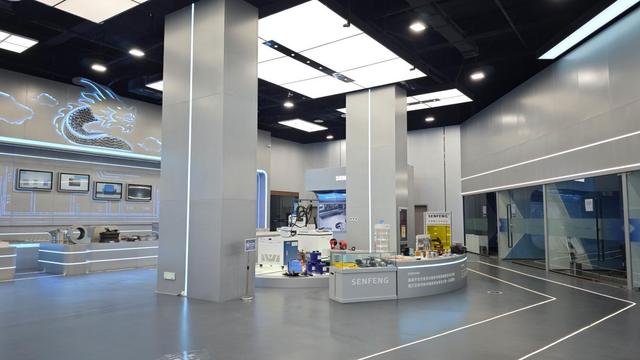
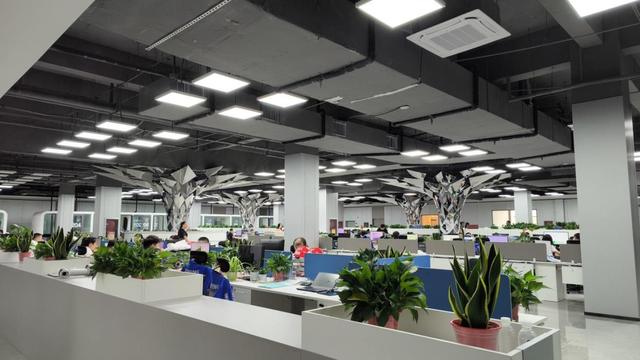
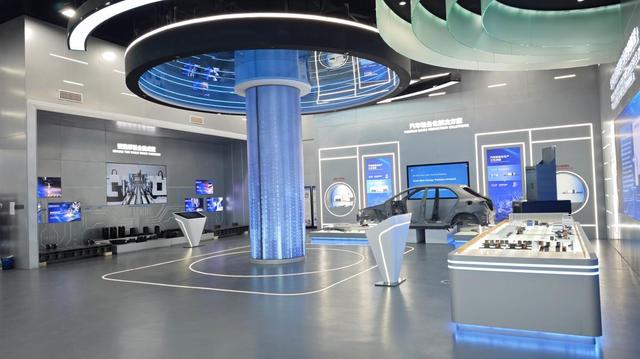
Take a look inside our specialized machining lines, physical verification units, and system setup facilities.