Datum Machine
Datum Machine
Datum Machine
Deploying state-of-the-art machinery engineered for maximum energy efficiency, reduced auxiliary gas utilization, and minimum footprint scrap rates.
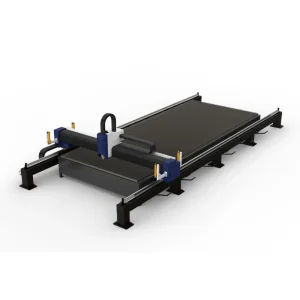
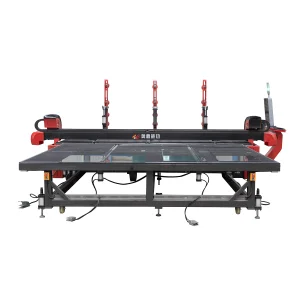
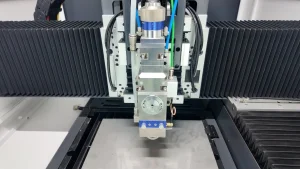
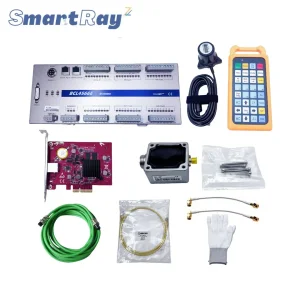
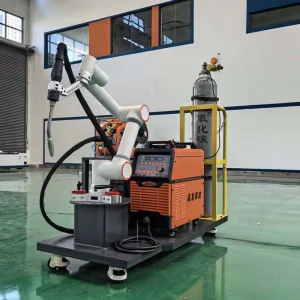
Global industrial manufacturing is undergoing a paradigm shift. Historically driven purely by output velocity and raw throughput, modern industrial organizations are now compelled to optimize for ecological impacts, resource utilization, and systemic efficiency. At the epicentre of this transformation is the deployment of Environmental Laser Solutions. As legacy thermal processing methods—such as traditional CO2 lasers, abrasive waterjet cutting, and legacy plasma arcs—reach the limits of their efficiency ratios, fiber-optic systems integrated with smart kinematics present a sustainable roadmap.
For organizations managing high-capacity fabrication, understanding how modern laser infrastructure intersects with green parameters is crucial. Environmental laser processing is not merely defined by "low carbon emissions". It encapsulates a broad spectrum of engineering parameters: high-density optical efficiency, optimized auxiliary gas delivery systems to prevent heavy metal emission dispersion, automated nest-routing code designed to limit sheet metal scrap rates, and thermal recuperation systems that significantly lower electricity draw per hour of operations.
The international industrial lasers landscape is experiencing three primary systemic shifts. First, there is the rapid migration to ultra-high-power solid-state fiber lasers. The photoelectric conversion rate of fiber lasers sits comfortably between 35% and 40%, in stark contrast to the 8% to 12% characteristic of traditional gas-based CO2 lasers. This difference alone yields megawatt-hour savings annually for high-output operations.
Second, environmental protocols like the European Union's Carbon Border Adjustment Mechanism (CBAM) and clean manufacturing regulations worldwide are forcing global supply chains to audit the embedded carbon footprints of their fabricated metal products. Consequently, laser manufacturers must integrate real-time energy monitoring and emissions tracking software directly into the CNC control architecture. Platforms utilizing Bochu FSCUT or Cypcut control lines are increasingly required to log raw processing metrics alongside dynamic power adjustments.
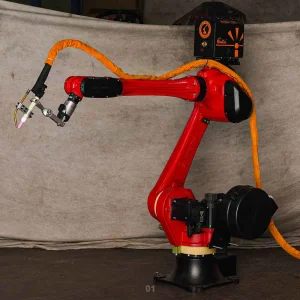
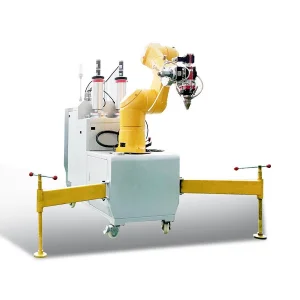
Third, the reliance on chemical treatments for oxide layer removal, surface preparation, and post-cutting cleanup is being systematically replaced by high-precision mechanical laser solutions. Be it through localized cladding techniques using robotic-assisted 6-axis arms or optimized high-frequency pulse cutting, modern laser installations remove the necessity for toxic chemical pickling baths, saving water and eliminating hazardous waste streams.
Procurement agents in North American, European, and Asia-Pacific markets are no longer buying machines based on capital expenditure (CAPEX) alone. Today, procurement strategies are evaluated on a Total Cost of Ownership (TCO) model combined with Environmental, Social, and Governance (ESG) criteria. The transition to advanced materials, such as ultra-high-strength carbon steels, light aluminum alloys, and high-performance engineering plastics, demands highly flexible laser platforms capable of processing varied substrates without lengthy mechanical retooling times.
Dynamically focuses the laser source to minimize the heat-affected zone (HAZ), reducing structural distortion and scrap rates in thick-plate processing.
Integrated optical sensors track piercing times and cutting status to adjust gas pressures on-the-fly, reducing gas consumption by up to 30%.
Modular internal subsystems allow for rapid servicing. Minimizes down-time with localized diagnostic monitoring protocols.
Furthermore, raw supply chain continuity dictates that modern laser platforms feature robust backward compatibility and interoperability. Interfacing with legacy manufacturing systems requires non-proprietary control setups, open-source programming adapters, and modular diagnostic controls. Systems that can run custom-shaped cutting processes on reflective metals (like copper or aluminum alloys) without internal lens back-reflection damage are highly preferred in sectors like electric vehicle (EV) battery assembly and solar cell structure fabrication.
The execution of Factory 4.0 paradigms across Chinese manufacturing zones has fundamentally rewritten the rules of machine assembly, customization, and export stability. By combining dense regional component ecosystems with advanced factory floor robotics, manufacturers like Shanghai Datum Machine Co., Ltd. can offer highly specialized CNC cutting tools, automated laser lines, and bespoke mechanical structures at shorter lead times than Western alternatives.
Factory 4.0 relies heavily on vertical integration. Shanghai Datum controls the engineering validation cycle from initial stress-relieving frame heat treatments to the calibration of precision linear rails, gear racks, and electronic gear boxes. By maintaining absolute oversight over the mechanical build process, we protect global partners from component-level bottleneck disruptions. If a specific servo driver or optical head becomes unavailable, our flexible system architecture allows for direct alternative programming and rapid integration, maintaining our production schedule and delivery promises.
Additionally, the application of IoT-enabled sensors within the machine frame allows for predictive maintenance algorithms. Through intelligent parameter tracking, operators can predict structural misalignments or focal degradation before it leads to out-of-tolerance cuts, preserving material sheets and preventing expensive system restarts.
Industrial processing centers worldwide are grappling with rising electricity costs and stricter environmental footprint regulations. In South America and Southeast Asia, factories are dealing with unstable electrical grids, which requires machines that can handle input voltage fluctuations and operate at high power conversion efficiencies. Concurrently, in mature industrial hubs in North America and Western Europe, the focus has shifted to the total integration of automated loading/unloading systems to address rising labor costs and shortages of skilled manual machine operators.
Because of these factors, the global commercial market is increasingly selecting hybrid sheet-and-tube integrated systems that minimize floor space requirements, reducing real estate heating and lighting costs. These flexible systems allow one machine to perform tasks that previously required two separate installations, lowering overall plant energy consumption and simplifying operator training.
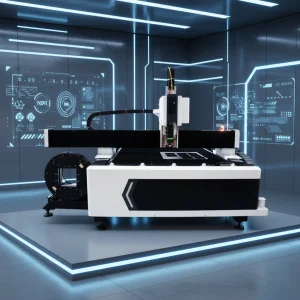
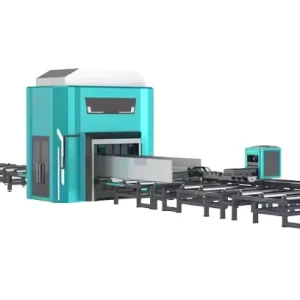
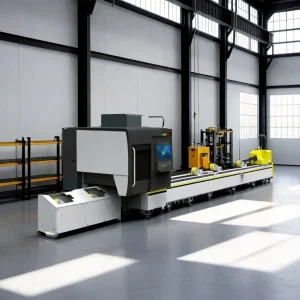
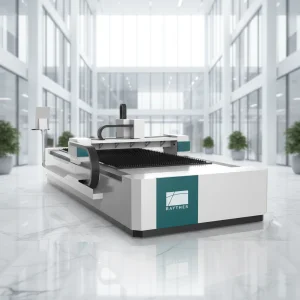
Modern laser processing must adapt to specific regional and industrial conditions. Here are four common application scenarios for modern fiber laser systems:
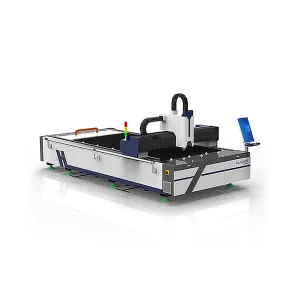
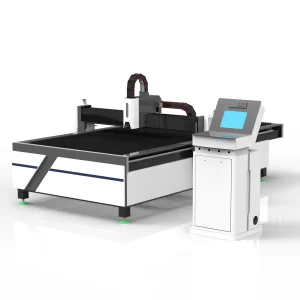
Shanghai Datum Machine Co., Ltd. is a professional China automation laser cutting manufacturer specializing in fiber laser cutting systems, CNC cutting solutions, and smart manufacturing equipment. Our product portfolio includes fiber laser cutting systems, CNC laser cutting equipment, tube laser cutting machines, sheet metal processing solutions, robotic laser cutting systems, automated loading and unloading systems, laser production lines, and customized manufacturing automation solutions. Designed to meet the evolving demands of modern factories, our equipment delivers exceptional cutting accuracy, high-speed performance, reduced material waste, and reliable long-term operation.
At Datum Machine, innovation is at the center of our development strategy. Our engineering team continuously integrates intelligent control technologies, automation systems, and advanced manufacturing concepts to help customers build more efficient and flexible production environments. From standalone laser cutting equipment to fully integrated smart factory solutions, we provide comprehensive support tailored to each customer's production requirements.
Quality and reliability are fundamental to our manufacturing philosophy. We maintain strict quality control procedures throughout design, production, testing, and delivery to ensure every system meets international performance and safety standards. Our modern manufacturing facilities and experienced technical team enable us to provide consistent quality and dependable service for customers worldwide, serving clients across automotive, metal fabrication, machinery manufacturing, construction, aerospace, electronics, and industrial processing sectors. We are committed to becoming a trusted global partner in automation laser cutting, helping manufacturers achieve higher efficiency, smarter production, and sustainable growth through innovative laser processing technologies.
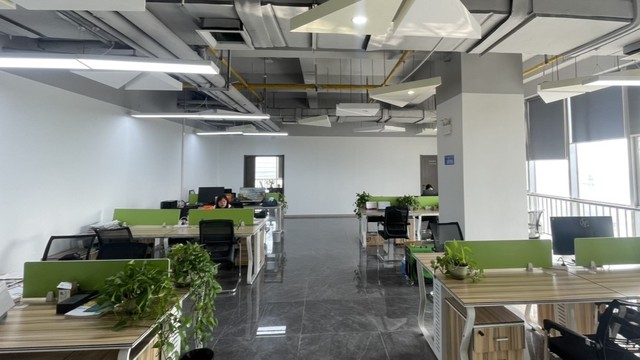
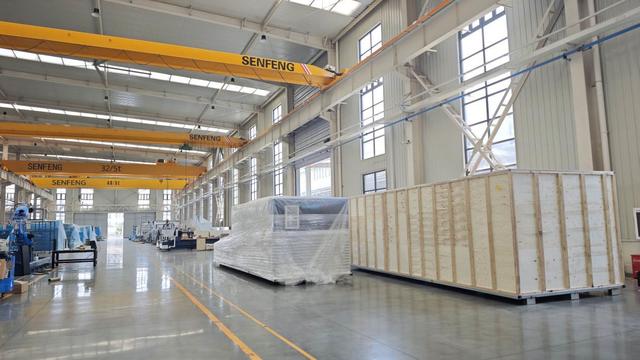
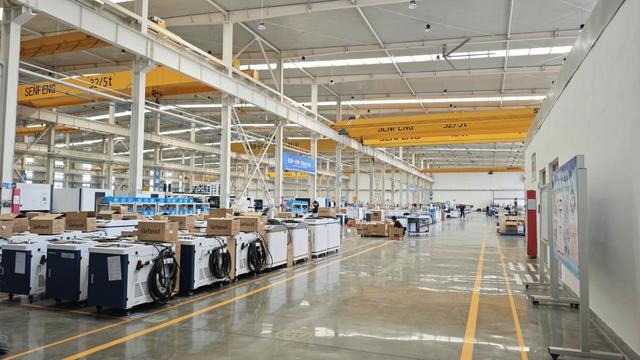
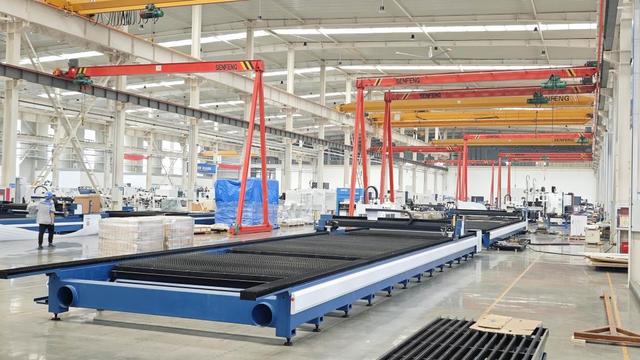
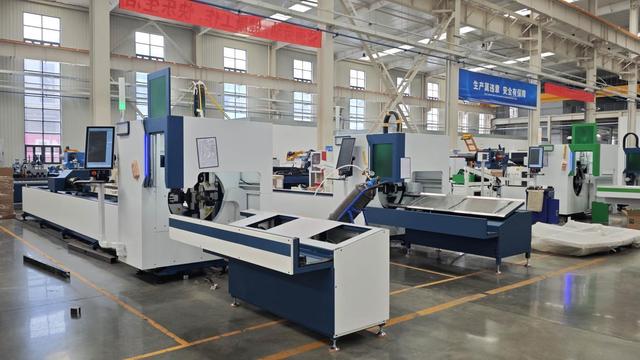
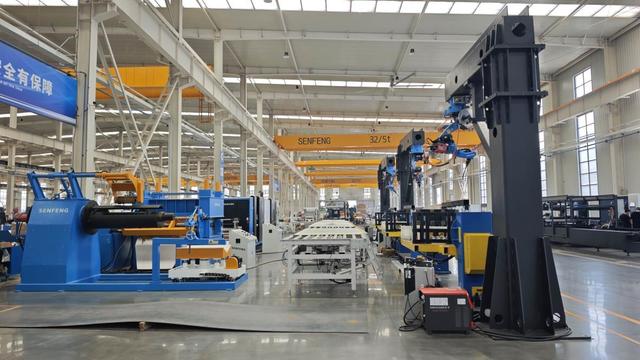
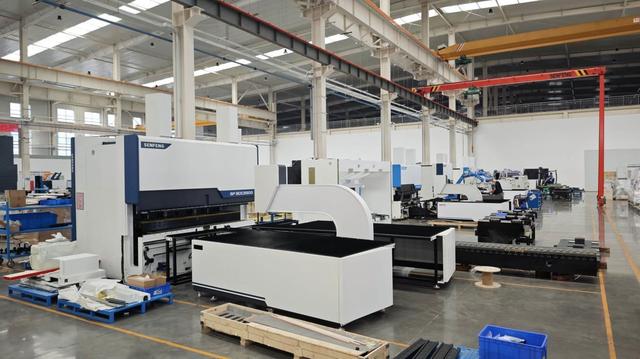
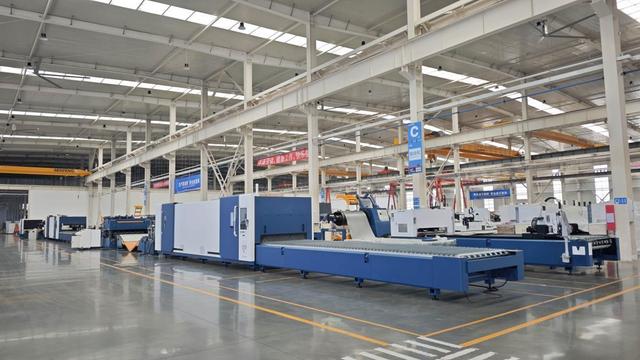
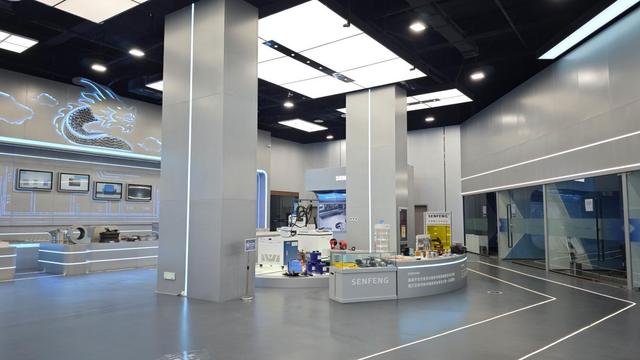
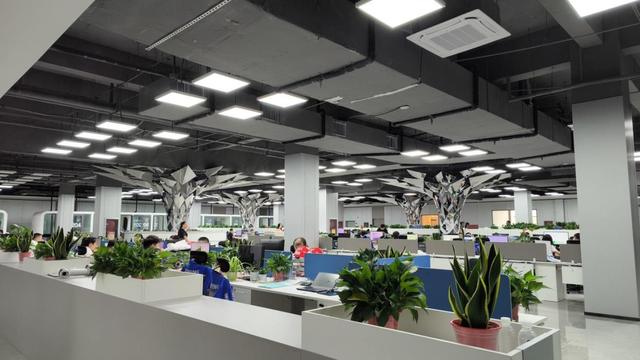
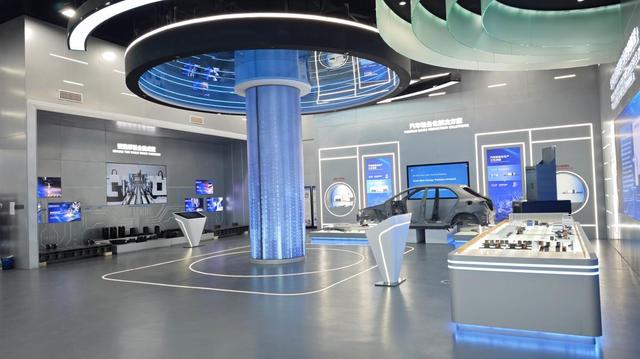
Equipping global factories with automated lines, advanced controllers, and robotic components for precise manufacturing execution.