Datum Machine
Datum Machine
Datum Machine
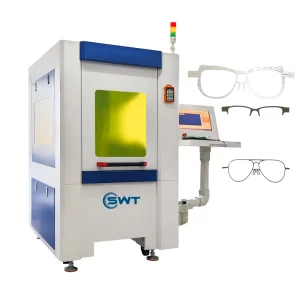
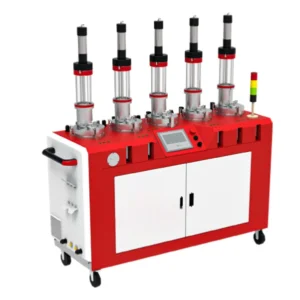
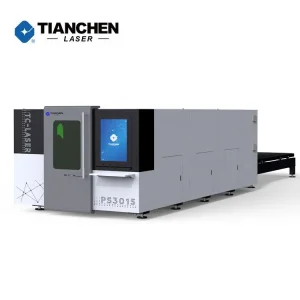
Explore our top-performing laser machinery and collaborative systems engineered for modern industrial compliance and high-yield operational throughput.
Shanghai Datum Machine Co., Ltd. is a professional China automation laser cutting manufacturer specializing in fiber laser cutting systems, CNC cutting solutions, and smart manufacturing equipment for global industrial customers. With extensive experience in advanced manufacturing technologies, we are dedicated to providing high-performance automation solutions that improve productivity, precision, and operational efficiency across a wide range of industries.
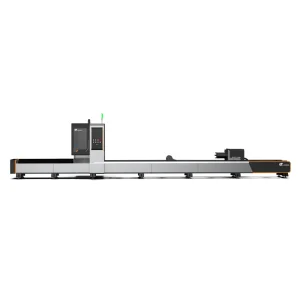
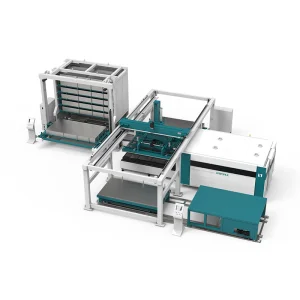
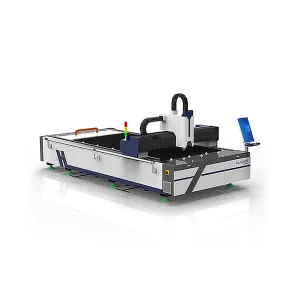
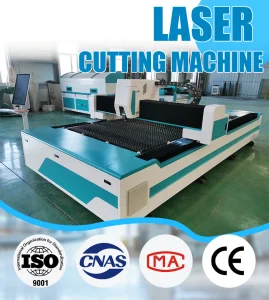
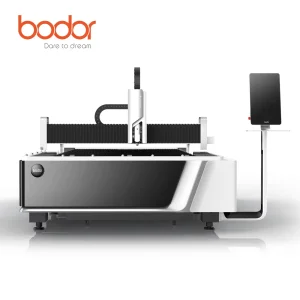
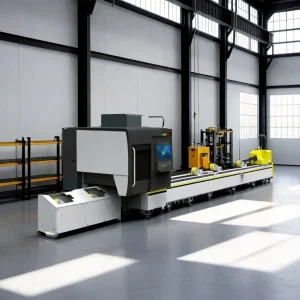
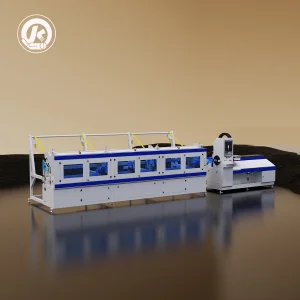
Our product portfolio includes fiber laser cutting systems, CNC laser cutting equipment, tube laser cutting machines, sheet metal processing solutions, robotic laser cutting systems, automated loading and unloading systems, laser production lines, and customized manufacturing automation solutions. Designed to meet the evolving demands of modern factories, our equipment delivers exceptional cutting accuracy, high-speed performance, reduced material waste, and reliable long-term operation.
At Datum Machine, innovation is at the center of our development strategy. Our engineering team continuously integrates intelligent control technologies, automation systems, and advanced manufacturing concepts to help customers build more efficient and flexible production environments. From standalone laser cutting equipment to fully integrated smart factory solutions, we provide comprehensive support tailored to each customer's production requirements.
Quality and reliability are fundamental to our manufacturing philosophy. We maintain strict quality control procedures throughout design, production, testing, and delivery to ensure every system meets international performance and safety standards. Our modern manufacturing facilities and experienced technical team enable us to provide consistent quality and dependable service for customers worldwide.
Serving clients across automotive, metal fabrication, machinery manufacturing, construction, aerospace, electronics, and industrial processing sectors, Shanghai Datum Machine Co., Ltd. has established a strong reputation for advanced technology, customized solutions, and responsive customer support. We are committed to becoming a trusted global partner in automation laser cutting, helping manufacturers achieve higher efficiency, smarter production, and sustainable growth through innovative laser processing technologies.
Our engineering excellence translates to measurable performance indicators across our collaborative systems and smart production integrations.
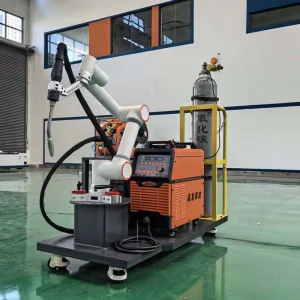
In the contemporary landscape of industrial manufacturing, global procurement teams are shifting away from rigid traditional gantry systems toward flexible, high-degree-of-freedom Collaborative Robot (Cobot) Cutting Solutions. This transition is motivated by a universal operational pressure: the rising cost of skilled labor combined with a critical demand for high-mix, low-volume (HMLV) production cycles. Factories in North America, Western Europe, and parts of the Asia-Pacific region no longer seek singular-purpose machinery; they require dynamic workstations that can quickly adapt to varied geometrical cutting requirements without demanding long downtimes or complex programming setups.
When selecting a Chinese manufacturer, international purchasing coordinators look for several key benchmarks. First is the integration level of the cobot system: it must operate seamlessly with standard fiber laser sources, picosecond laser optics, or plasma torches. Second is the reliability of the control interface. The incorporation of "No-Code" programming or manual guide training (guiding the robotic arm manually along the path to register the trajectory) is vital. This enables floor operators with basic skills to safely program complex 3D profiles, bypassing the traditional bottlenecks associated with specialized CNC programmers.
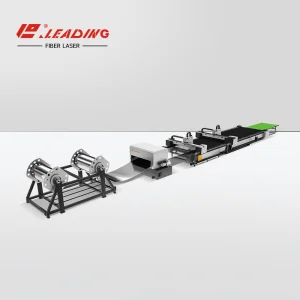
Thirdly, procurement professionals emphasize the total cost of ownership (TCO). Systems originating from China must demonstrate a strong balance of high-end mechanical components (such as premium Japanese or German gearboxes and servo motors) with local engineering optimizations that drastically reduce initial capital expenditure. By offering Turnkey Robotic Solutions that include automated uncoiling, leveling, and inline laser blanking, Shanghai Datum Machine addresses these global supply chain metrics directly, lowering deployment risk while maximizing productivity.
Our cobot integrated platforms are engineered to address specific technical bottlenecks in major industrial verticals.
High-speed trimming of thermoformed high-strength steel (HSS) components, body-in-white (BIW) adjustments, and dashboard plastic cutting. Our cobots maintain path speed consistency to eliminate thermal deformation along thin sheet boundaries.
Precision cutting of titanium alloys, carbon fiber composite structural members, and thin-wall honeycombs. Incorporates advanced offline programming to ensure strict compliance with AS9100 tolerances.
Processing of thick carbon steel plates and complex 3D pipe joints. Integration with 6m CNC tube feeders and multi-axis positions allows automatic contour beveling prior to industrial welding.
The mechanical performance of a collaborative robot cutting system relies on the synchronization of three major elements: Kinematic Trajectory Tracking, Laser Parameter Modulation, and Real-time Sensor Feedback. At Shanghai Datum Machine, our research and development trajectory targets the reduction of path deviations when negotiating sharp corners or high-frequency complex contours.
Standard industrial robots suffer from mechanical backlash and joint inertia during multi-axis interpolation. To address this, our controllers feature advanced forward-looking algorithms that dynamically adjust joint deceleration curves. By anticipating direction changes, the system maintains a constant cutting head speed relative to the workpiece. This prevents focal point dwell, which can cause excessive heat concentration, dross formation, or localized material burning.
A primary challenge in robot arm laser cutting is compensating for material irregularities. Surface warping on large metal sheets can cause the focal spot to drift, leading to cut failure. We integrate high-speed capacitive height sensors inside our cutting heads that interface directly with the robot's motion controller via EtherCAT protocols. With a refresh rate of less than 1 millisecond, the Z-axis dynamically tracks surface height changes to keep the laser focused. Additionally, optional 3D laser profilers allow the robot to map workpiece coordinates before cutting begins, compensating for physical part variations automatically.
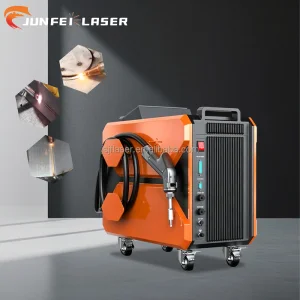
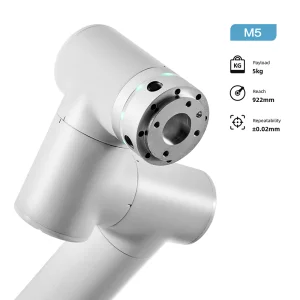
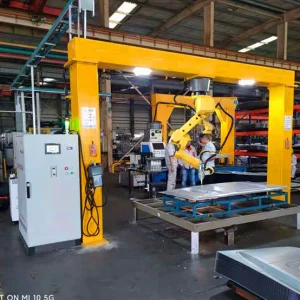
Modern factories demand versatility. The integration of 3-in-1 (Welding, Cutting, Cleaning) laser packages represents a major evolution in this product segment. By using modular quick-change heads, a single 6-axis cobot can execute precision cutting, rotate to weld components together, and switch to a laser cleaning lens to polish away oxides or scale. This hybrid setup reduces capital equipment costs while maximizing workspace utilization.
The industrial ecosystem in China has evolved from a component-level assembly market into a hub of engineering innovation for collaborative robotics. By establishing direct supply lines for high-power fiber laser sources (such as Raycus and Maxphotonics) alongside domestic industrial robot arm developments, Chinese manufacturers offer excellent cost-to-performance options. What once required million-dollar investments from European integrators is now accessible at a fraction of the cost, without compromising on performance, software usability, or safety ratings.
Shanghai Datum Machine sits at the intersection of this industrial shift. Our facility in Shanghai utilizes localized advanced machining centers to build robust, rigid bases for gantry systems, automated loading/unloading configurations, and custom collaborative enclosures. This supply chain integration helps insulate our clients from global parts delays and ensures that critical components, such as laser lenses, protective glass, and cutting nozzles, are readily available worldwide.
Inside our advanced manufacturing halls: where raw raw materials are converted into precision-calibrated robotic laser systems.
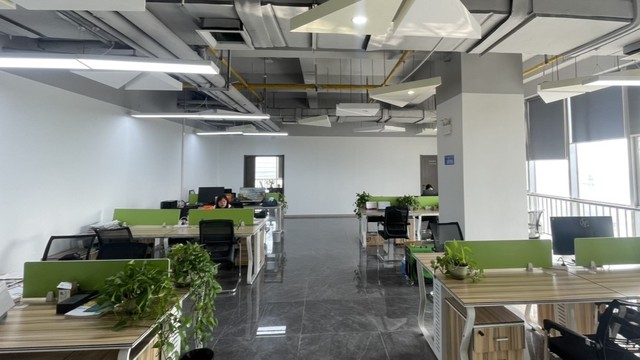
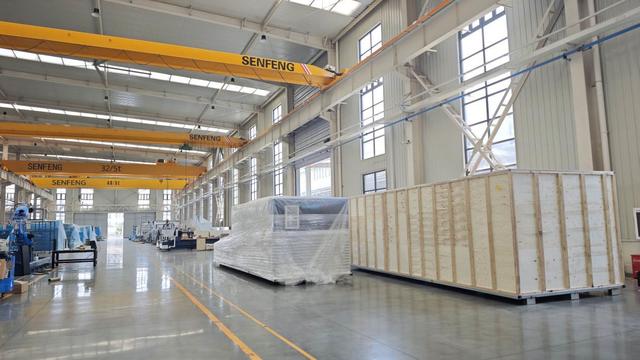
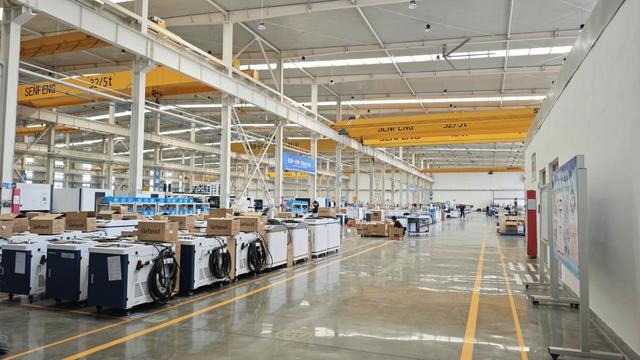
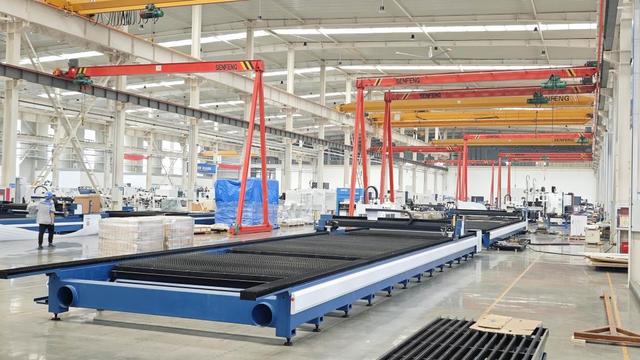
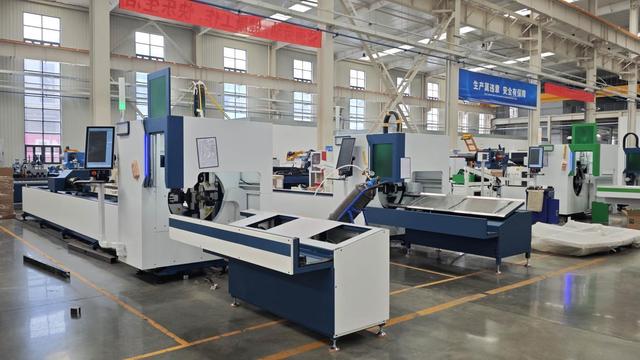
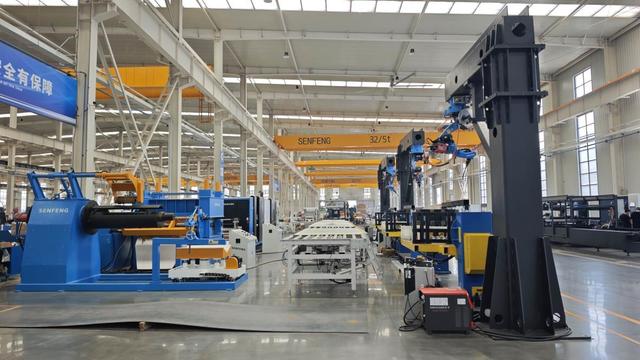
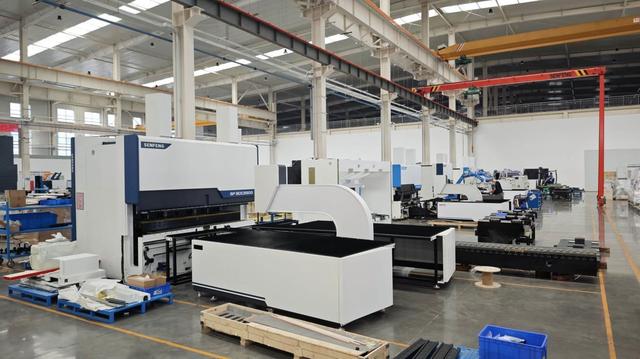
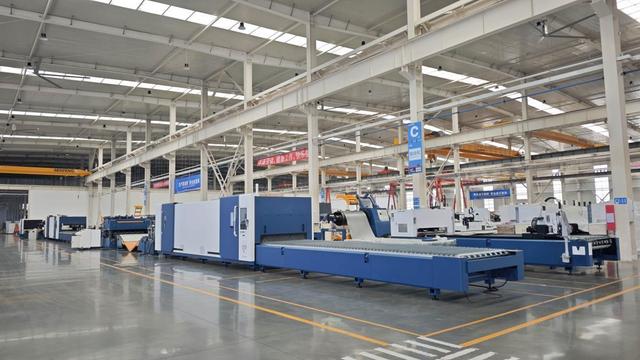
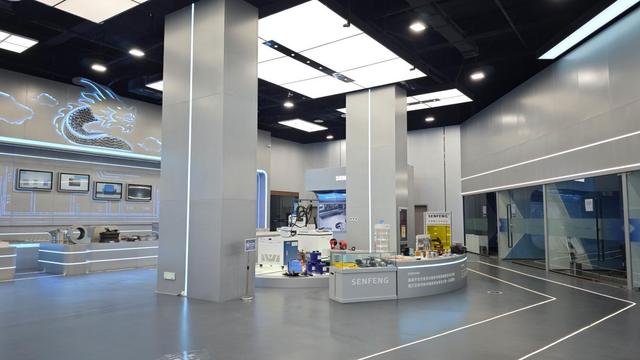
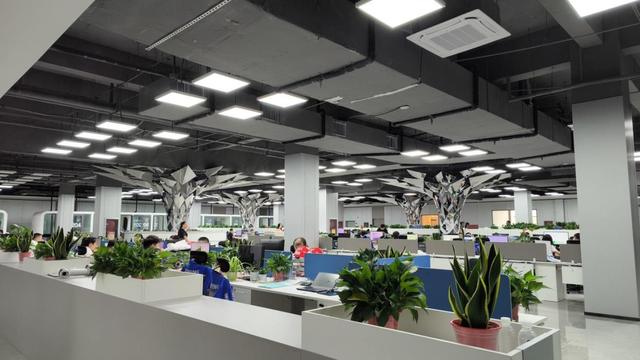
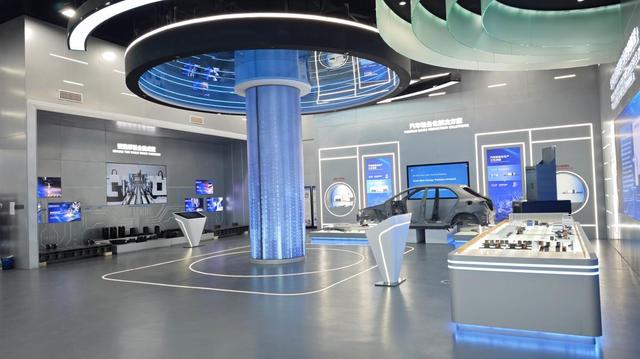
For high-value equipment assets, localized engineering service and strict safety certification are essential. To protect operators and comply with international regulations, Shanghai Datum Machine develops machinery in strict accordance with the following regulatory frameworks:
To support clients after installation, we offer remote diagnostic support, local technician partnerships, and critical spare parts storage in major international regions. If a machine requires maintenance, our engineers can connect to the system remotely via secure VPN links to troubleshoot software settings or update kinematic models, minimizing downtime and maintaining production schedule consistency.
Detailed technical answers to the most common configuration and design questions from procurement teams.
Our advanced configurations for high-power processing, automatic material loading, and precision micro-machining.