Datum Machine
Datum Machine
Datum Machine
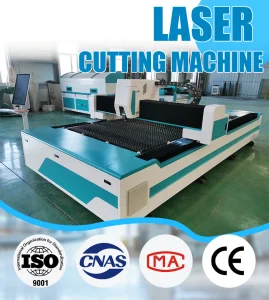
Explore our top-tier catalog of fiber laser cutting systems, multi-axis tube processors, and custom automated fabrication suites designed for zero-defect aerospace and industrial applications.
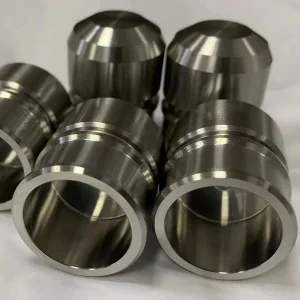
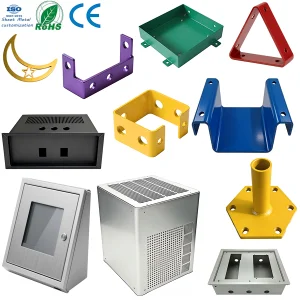
Modern aviation demand is experiencing unprecedented growth, driven by next-generation commercial aircraft, defense upgrades, and the commercialization of low-Earth orbit space structures. Central to this manufacturing revolution is the transformation of raw alloys—such as Titanium (Ti-6Al-4V), Inconel, Aluminum-Lithium, and Ultra-High-Strength Stainless Steels—into complex aerostructures. These parts must survive high-stress cyclic loading, massive thermal shifts, and corrosive chemical exposures.
Traditional mechanical machining processes fall short when dealing with the high-toughness materials required for fuel-efficient aerodynamics. Mechanical tool wear results in microscopic micro-cracks and rough edges that severely degrade the fatigue life of flight-critical components. Here, **precision fiber laser cutting** stands out as the core technology. By leveraging a non-contact, highly focused optical heat source, manufacturers achieve sub-micron tolerances while minimizing the Heat Affected Zone (HAZ), reducing structural stress, and eliminating material wastage.
As an industry-leading designer and exporter, Shanghai Datum Machine Co., Ltd. builds the high-capacity, CNC-driven automated fiber laser cutting setups required to meet these extreme requirements. This paper breaks down the metallurgical mechanics, machine design considerations, international compliance frameworks, and deployment structures that position Datum Machine at the top of the global aerospace manufacturing value chain.
Shanghai Datum Machine Co., Ltd. is a professional China automation laser cutting manufacturer specializing in fiber laser cutting systems, CNC cutting solutions, and smart manufacturing equipment for global industrial customers. With extensive experience in advanced manufacturing technologies, we are dedicated to providing high-performance automation solutions that improve productivity, precision, and operational efficiency across a wide range of industries.
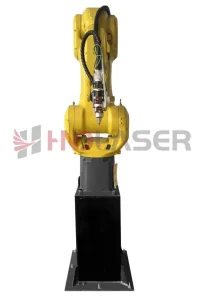
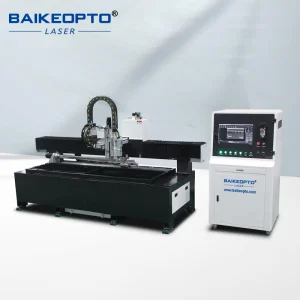
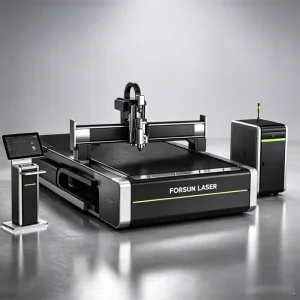
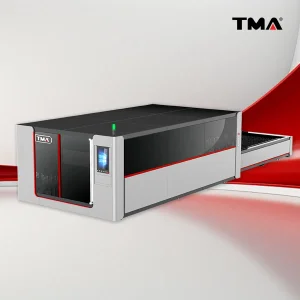
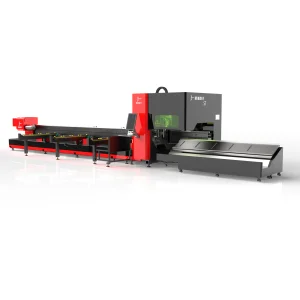
Our product portfolio includes fiber laser cutting systems, CNC laser cutting equipment, tube laser cutting machines, sheet metal processing solutions, robotic laser cutting systems, automated loading and unloading systems, laser production lines, and customized manufacturing automation solutions. Designed to meet the evolving demands of modern factories, our equipment delivers exceptional cutting accuracy, high-speed performance, reduced material waste, and reliable long-term operation.
At Datum Machine, innovation is at the center of our development strategy. Our engineering team continuously integrates intelligent control technologies, automation systems, and advanced manufacturing concepts to help customers build more efficient and flexible production environments. From standalone laser cutting equipment to fully integrated smart factory solutions, we provide comprehensive support tailored to each customer's production requirements.
Quality and reliability are fundamental to our manufacturing philosophy. We maintain strict quality control procedures throughout design, production, testing, and delivery to ensure every system meets international performance and safety standards. Our modern manufacturing facilities and experienced technical team enable us to provide consistent quality and dependable service for customers worldwide.
Serving clients across automotive, metal fabrication, machinery manufacturing, construction, aerospace, electronics, and industrial processing sectors, Shanghai Datum Machine Co., Ltd. has established a strong reputation for advanced technology, customized solutions, and responsive customer support. We are committed to becoming a trusted global partner in automation laser cutting, helping manufacturers achieve higher efficiency, smarter production, and sustainable growth through innovative laser processing technologies.
Procurement specialists at leading aerospace OEMs (Original Equipment Manufacturers) and Tier-1 structures suppliers operate in a highly regulated and risk-averse sourcing landscape. Sourcing laser cutting machinery and fabrication services is no longer just a question of unit pricing; it is a complex evaluation of long-term process capability, risk mitigation, and compliance.
Cutting aerospace alloys requires precise tuning of physical parameters. A generic laser setting will result in micro-cracking, slag accumulation, and excessive oxide layers. Below, we examine the laser cutting settings for key materials:
| Material Grade | Laser Source / Wavelength | Assist Gas & Purity | Kerf Width (mm) | Target HAZ Limit |
|---|---|---|---|---|
| Titanium Alloys (Ti-6Al-4V) | Fiber / 1.06 μm | Argon (99.999% Ultra-pure) | 0.08 - 0.15 | < 0.05 mm |
| Inconel 718 / Superalloys | Fiber / 1.06 μm | Nitrogen (High pressure) | 0.10 - 0.18 | < 0.07 mm |
| Al-Li (Aluminum-Lithium) | Fiber / 1.06 μm | Oxygen or Nitrogen blend | 0.12 - 0.20 | < 0.10 mm |
| High-Strength Stainless (316L/15-5 PH) | Fiber / 1.06 μm | Nitrogen (Dry, 18-20 bar) | 0.08 - 0.12 | < 0.04 mm |
For **Titanium Alloys**, nitrogen or oxygen cannot be used as assist gases due to the chemical reactivity of titanium at high temperatures. Oxygen results in a highly brittle, hard alpha-case layer that ruins fatigue resistance. Nitrogen causes nitriding, which weakens the weldability of the cut edge. Datum Machine’s closed-loop, ultra-high-pressure Argon delivery system prevents these chemical reactions, leaving a clean, weld-ready surface.
In cutting **Inconel Superalloys**, the laser must overcome the material’s high thermal resistance. High-frequency pulsing combined with high peak power ensures that material is ejected before heat can conduct into the bulk metal, keeping the HAZ below 0.07 mm.
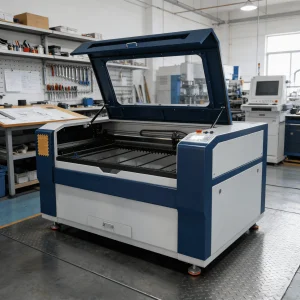
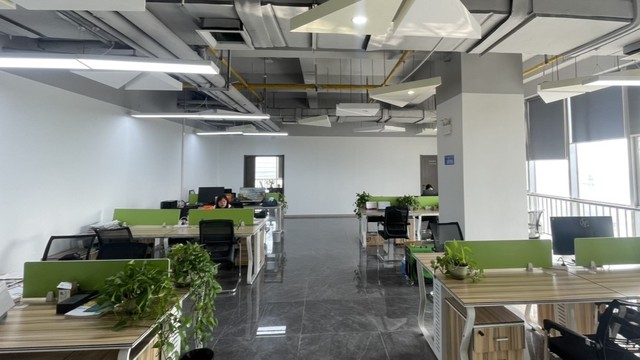
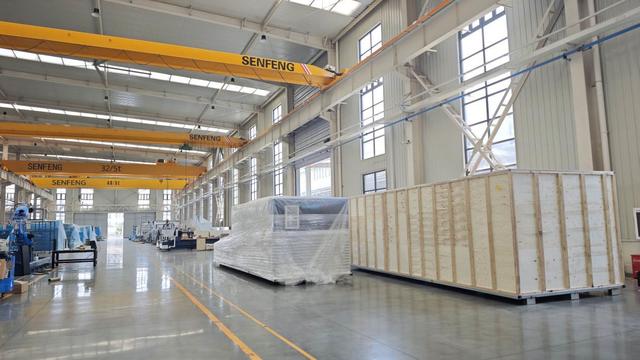
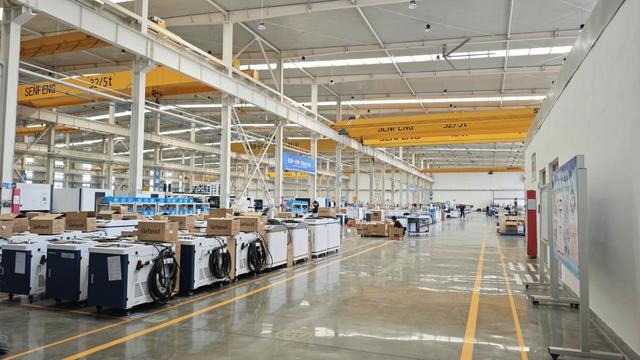
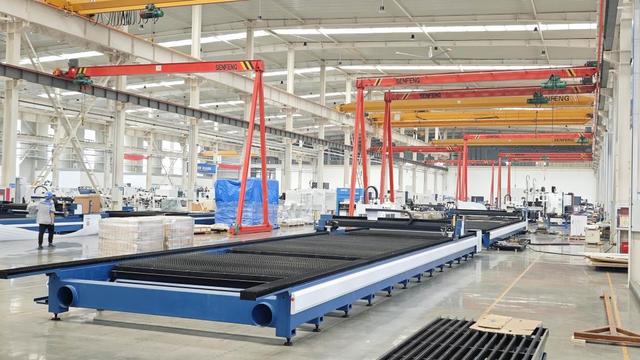
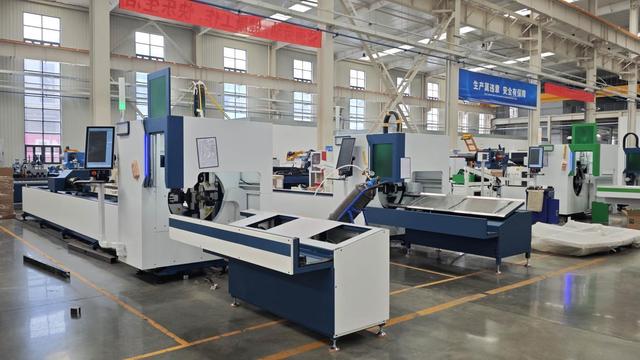
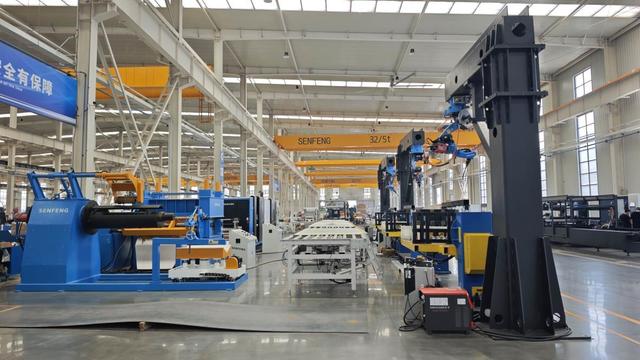
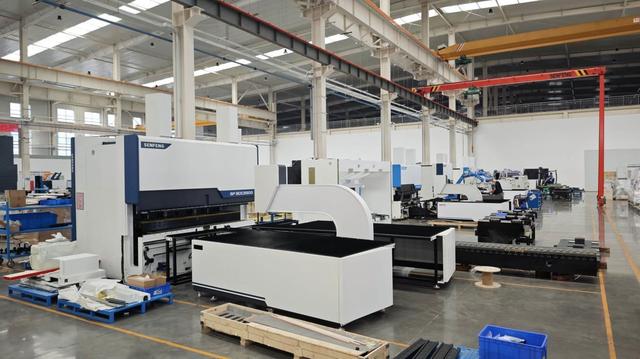
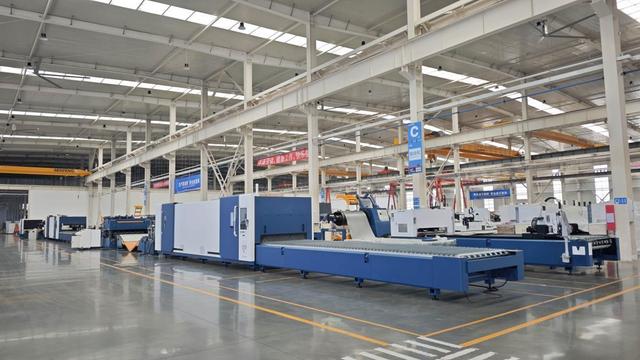
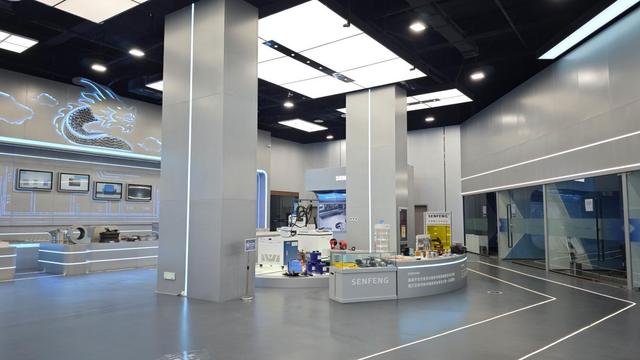
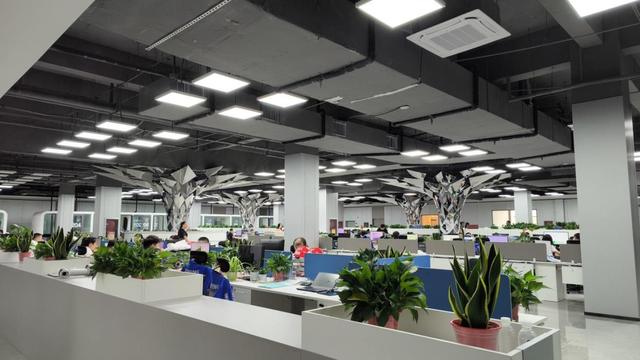
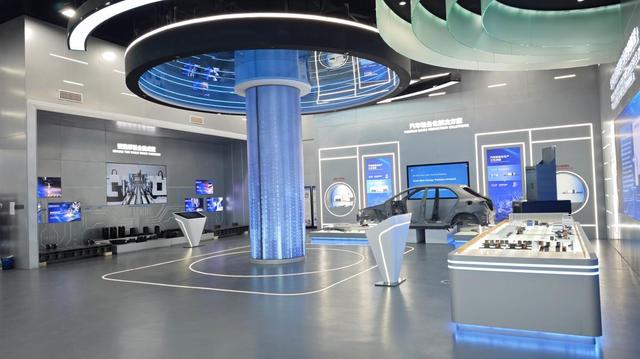
Take a look inside the modern assembly lines, engineering departments, and quality control rooms at Shanghai Datum Machine Co., Ltd.
To maintain a competitive edge, Shanghai Datum Machine Co., Ltd. continuously invests in the development of next-generation laser processing technologies. The industry is moving beyond standard continuous-wave fiber lasers toward more intelligent and precise cutting technologies.
We export precision machinery to highly regulated regions including the European Union, North America, and parts of the Asia-Pacific. Navigating trade controls, product safety certifications, and localized integration is a core aspect of our service.
Our laser machines are fully certified under **CE mark directives** (EN ISO 11553-1 for laser safety, EN 60204-1 for electrical safety) and comply with **FDA/CDRH laser product regulations** for the United States market. Every system includes Class-1 enclosed optical pathways with safety interlocks, dynamic extraction vents for toxic nanoparticles, and certified laser-safe viewing windows.
To guarantee performance on your factory floor, Datum Machine offers localized support. Through our global network of factory-trained service engineers and remote diagnostic capabilities (via secure Industry 4.0 monitoring systems), we provide round-the-clock troubleshooting, replacement parts delivery, and software updates.
Deep technical answers to the most common engineering and sourcing questions regarding precision metal laser fabrication.
We control HAZ by combining ultra-high peak power density with short pulse widths. By using linear motor gantry drives that reach accelerations of up to 2.0G, we reduce the dwell time of the laser spot at any single point. This high-speed processing, paired with dry nitrogen or argon gas-assist, cools the cut edge instantly, keeping the HAZ below 0.05 mm on critical alloys.
Yes. Standard CO2 lasers suffered from back-reflection damage when cutting reflective metals. Our 1.06 μm wavelength fiber laser systems, combined with anti-reflective optical isolators and inclined cutting heads, safely cut copper, brass, and aluminum alloys without risk of damage to the fiber resonator.
Our CNC systems support industry-standard platforms including Lantek, SigmaNEST, and Libellula. They accept standard DXF, DWG, and BMP file formats. The interface is optimized to process complex CAD files directly, automatically applying micro-joints, lead-ins/lead-outs, and corner cooling pathways to protect parts.
Through secure IoT integrations, the machine monitors and logs operating variables including laser temperature, gas pressure, lens focal position, and axis load. This data is compared against baseline models to identify issues before they cause part defects, helping you maintain a continuous NADCAP audit trail.
Standard fiber laser machines are shipped within 30 to 45 days. Custom automated lines—which include exchange pallets, robotic loading systems, and customized software—typically take 60 to 90 days from design approval to factory testing.
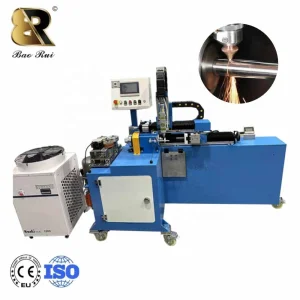
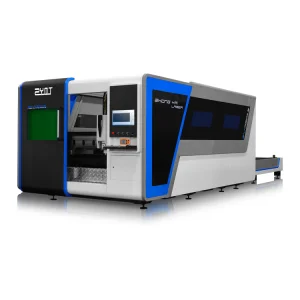
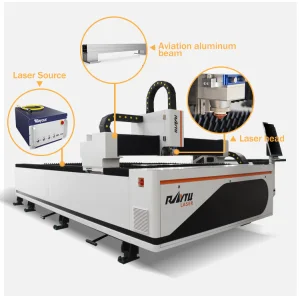
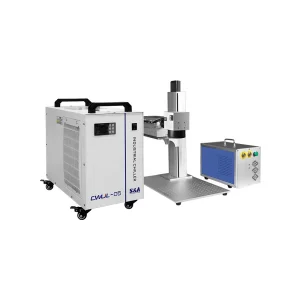
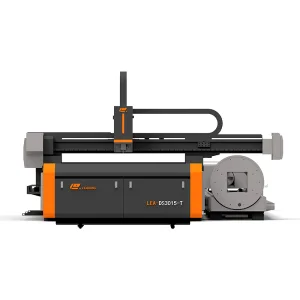
Our extended product line-up, featuring portable, heavy tube, and ultra-high power enclosed sheet metal processing solutions.