Datum Machine
Datum Machine
Datum Machine
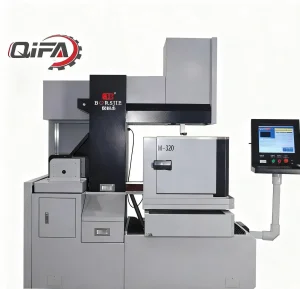
High-efficiency systems designed to streamline local metal fabrication lines with rapid throughput, lowering operational overheads in Kenyan industrial hubs.
Understanding the transition from legacy tooling to automated fiber laser tech in East Africa’s economic hub.
As the largest economy in East Africa, Kenya is undergoing a massive industrial transformation. Driven by the national Vision 2030 blueprint and the manufacturing arm of the government's economic priority agendas, the local metalworking, structural engineering, and processing sectors are rapidly scaling. The transition from manual fabrication methodologies—such as manual plasma arcs, mechanical punching, and oxy-fuel flame cutting—to high-precision automated systems is no longer a luxury, but a necessity for competitive survival.
Historically, the Kenyan manufacturing hub centered in Nairobi’s Industrial Area, Mombasa's port corridors, and Kisumu's lakefront zones relied heavily on imported pre-cut steel or low-tolerance manual processes. This introduced severe bottlenecks: extended lead times, high rates of raw material scrap, and an inability to meet international quality tolerances. Today, with the rapid expansion of infrastructure, agricultural mechanization, and local assembly lines, the integration of advanced CNC fiber laser cutting machinery has become the cornerstone of high-efficiency production lines.
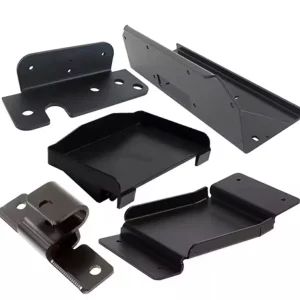
By using modern fiber laser cutting technologies, local factories can minimize post-processing tasks like grinding and edge-cleaning, moving parts straight from the cutting bed to assembly or welding. This optimization reduces the average manufacturing cycle by up to 60%, positioning local Kenyan factories to effectively compete with finished imported products.
Multi-axis, high-wattage, and specialized cutting systems configured to handle complex geometries and thick plates.
Bridging the gap between international manufacturing parameters and localized operational realities.
To establish a world-class manufacturing operation in Kenya, developers and factory owners must align their output with international standards such as ISO 9013 (which dictates thermal cutting classification and tolerances). Traditional flame cutting processes commonly used in East Africa produce high heat-affected zones (HAZ), resulting in structural changes to the edges of high-carbon steel plates. This is particularly problematic for heavy machinery and structural engineering projects.
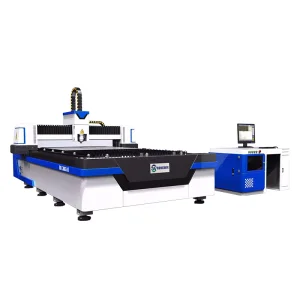
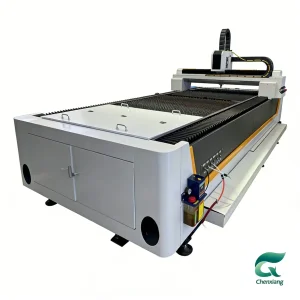
Modern fiber laser cutting machines resolve this limitation by using a highly focused laser beam, typically in the 1.07-micron wavelength range, coupled with high-pressure assist gases (Oxygen for mild steel, Nitrogen for stainless steel and aluminum, and compressed air for cost-efficient cutting of thin sheets). This localized energy input limits the heat-affected zone to a fraction of a millimeter, ensuring minimal distortion and preserving the base metal’s metallurgical characteristics.
Implementing high-power automated systems in Kenya requires addressing local grid characteristics. Power fluctuations and outages can damage delicate laser components, such as diodes and CNC controllers. As a premium global manufacturer, Shanghai Datum Machine Co., Ltd. configures export systems bound for the East African market with heavy-duty voltage stabilizers, robust isolation transformers, and dust-proof electrical cabinets rated for high ambient temperatures. This ensures long-term operational uptime and protects critical capital investments.
Exploring real-world use cases where high-performance laser cutting drives productivity and value.
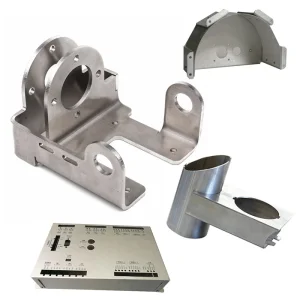
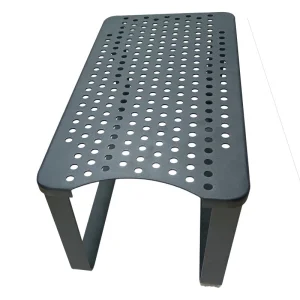
Agriculture remains the backbone of the Kenyan economy, contributing over 24% of the national GDP. The demand for localized agricultural equipment—such as grain sorters, tea drying racks, sugar cane haulers, hammer mills, and tractor implements—is growing. These components require heavy-gauge mild steel cutting, intricate perforations for screening plates, and durable assemblies. High-power fiber lasers allow local fabricators to cut components directly from DXF design files, accelerating design iterations and field testing.
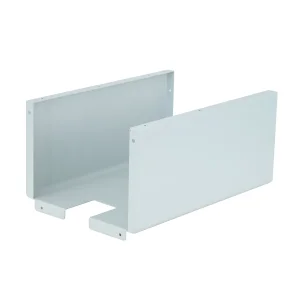
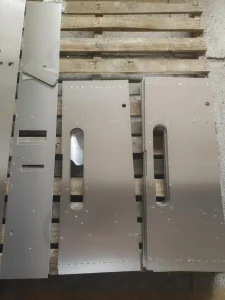
In Nairobi, Mombasa, and other urban areas, modern architecture utilizes custom-designed metal panels for ventilation, security grilles, and structural reinforcement. Traditional punching presses struggle with the design complexity and material variety required for modern facades. CNC laser cutting systems handle mild steel, galvanized steel, brass, and aluminum sheets, allowing architects and structural engineers to realize complex geometric patterns without investing in expensive custom dies.
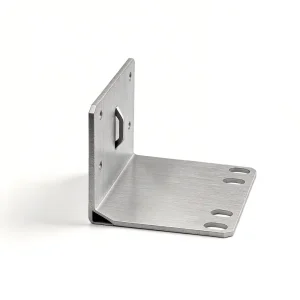
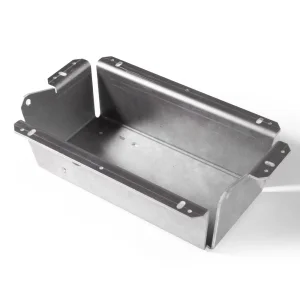
Kenya is a global leader in clean energy adoption, with geothermal, wind, and solar power dominating the grid. Large-scale solar farms and off-grid mini-grids require thousands of tons of structural racking, mounting brackets, and battery enclosures. These assemblies must withstand harsh outdoor environments. Precision-cut, galvanized components produced on CNC fiber lasers ensure uniform fitment during remote field installations, minimizing installation delays.
The Kenyan transport sector relies on locally built bus bodies and logistics trailers to meet safety standards. Custom chassis reinforcement plates, structural outriggers, cargo tie-downs, and driver cabin panels are cut from high-tensile steel. Fiber lasers provide the high positioning accuracy and clean edge cuts required for secure welding and durable structural assemblies.
Developing scalable systems for modern factories: from standalone cutters to fully integrated smart environments.
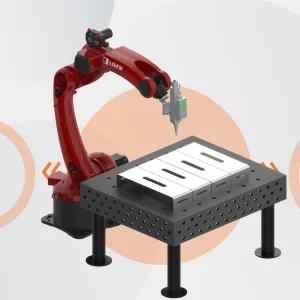
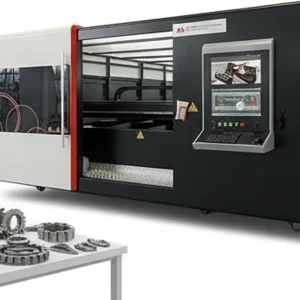
The global metal processing industry is moving toward full automation, and East African factories are scaling up to match this trend. The integration of Double-Exchange Tables (which swap pallet zones within seconds to enable continuous cutting while loading/unloading) represents a significant productivity upgrade. Furthermore, implementing 6-DOF (Degree of Freedom) Robotic Arms coupled with high-efficiency fiber laser heads allows manufacturers to process 3D formed parts and complex pipe joints.
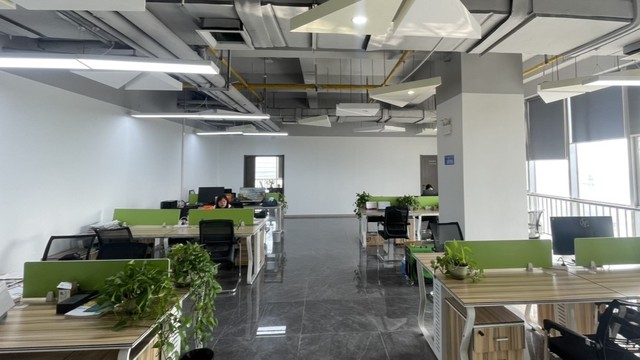
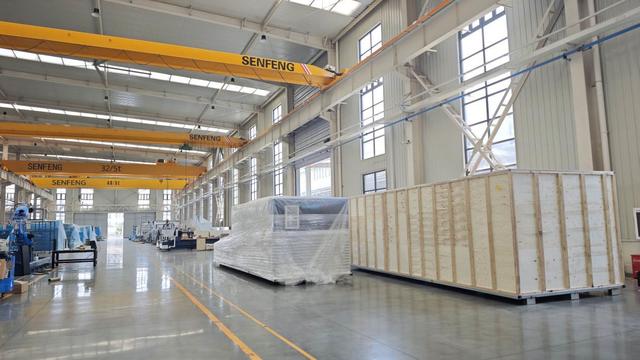
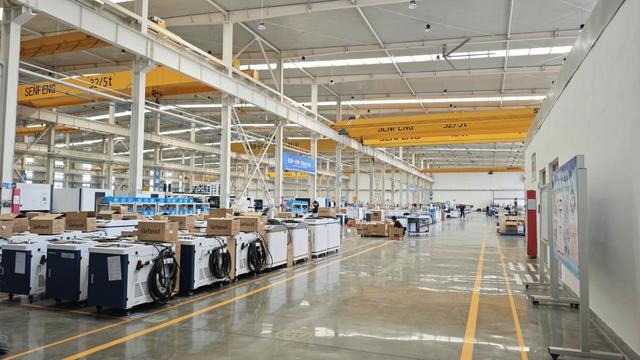
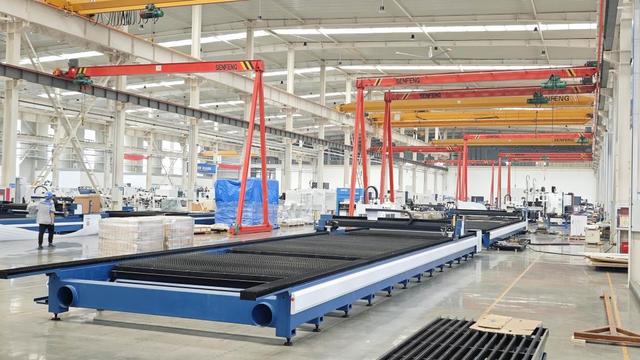
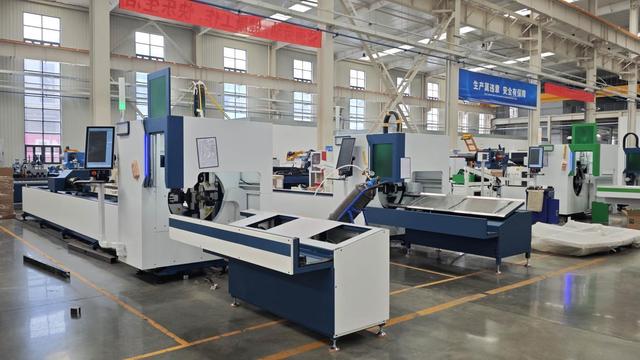
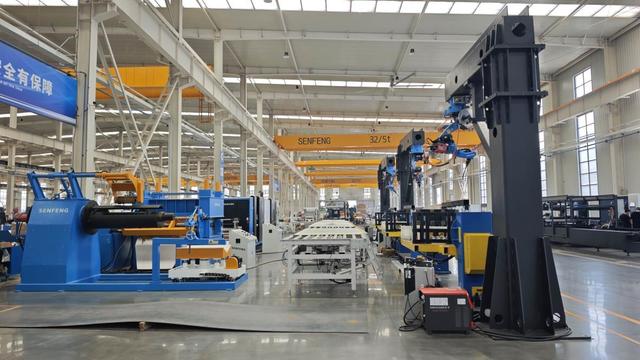
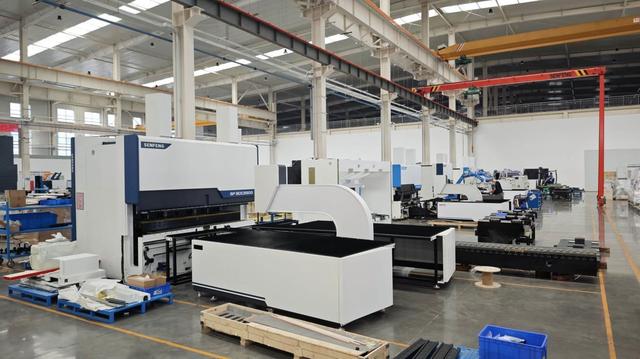
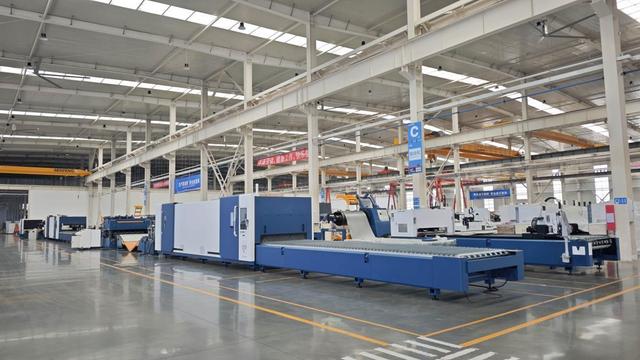
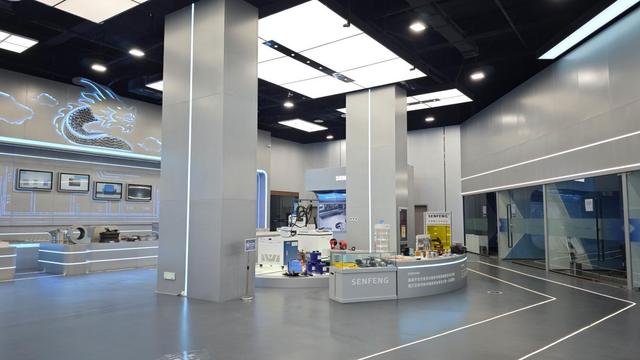
Shanghai Datum Machine Co., Ltd. is a professional China automation laser cutting manufacturer specializing in fiber laser cutting systems, CNC cutting solutions, and smart manufacturing equipment for global industrial customers. With extensive experience in advanced manufacturing technologies, we are dedicated to providing high-performance automation solutions that improve productivity, precision, and operational efficiency across a wide range of industries.
Our product portfolio includes fiber laser cutting systems, CNC laser cutting equipment, tube laser cutting machines, sheet metal processing solutions, robotic laser cutting systems, automated loading and unloading systems, laser production lines, and customized manufacturing automation solutions. Designed to meet the evolving demands of modern factories, our equipment delivers exceptional cutting accuracy, high-speed performance, reduced material waste, and reliable long-term operation.
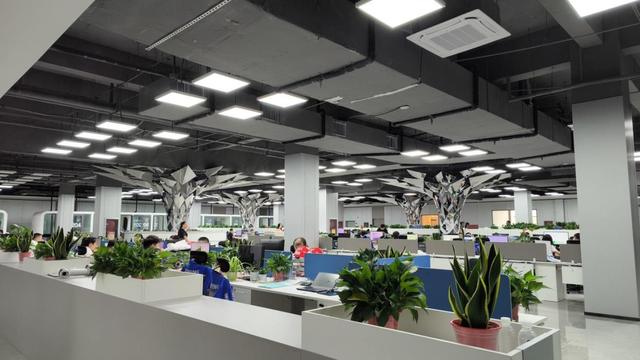
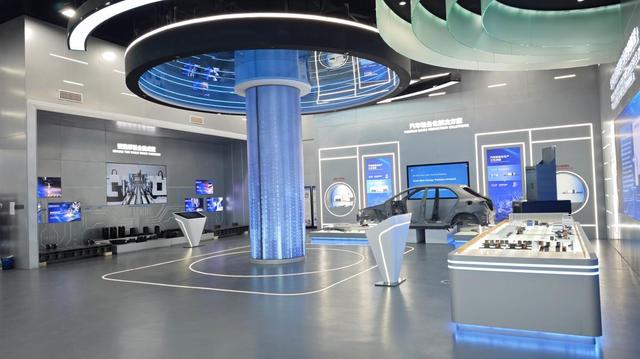
At Datum Machine, innovation is at the center of our development strategy. Our engineering team continuously integrates intelligent control technologies, automation systems, and advanced manufacturing concepts to help customers build more efficient and flexible production environments. From standalone laser cutting equipment to fully integrated smart factory solutions, we provide comprehensive support tailored to each customer's production requirements. Quality and reliability are fundamental to our manufacturing philosophy. We maintain strict quality control procedures throughout design, production, testing, and delivery to ensure every system meets international performance and safety standards.
Technical clarifications and operational advice for purchasing and running CNC laser systems in East Africa.
Select from our complete range of high-efficiency machinery and custom fabrication services, built to international specifications.
Connect with our technical team today to discuss machine configurations, pricing, customs logistics, and installation support for the Kenyan market.
Send Inquiry Now