Datum Machine
Datum Machine
Datum Machine
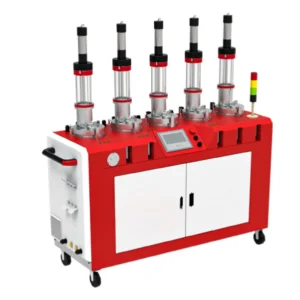
As Norway rapidly transitions toward a digital, automated, and low-carbon industrial sector, the demand for advanced production methods has escalated. From the maritime hubs of Bergen and Ålesund to the energy capitals of Stavanger and Trondheim, Norwegian manufacturers are moving away from traditional mechanical processing. Instead, they are embracing Smart Manufacturing Laser Systems. This technological paradigm shift is driven by the country's strict environmental regulations, high labor costs, and the absolute necessity for component reliability in offshore and marine environments.
Our solutions target these complex operational environments. As an experienced technology partner, Shanghai Datum Machine Co., Ltd. integrates state-of-the-art automation systems with high-power fiber laser sources. This combination enables Norwegian factories to meet strict local structural codes while achieving global standards in cost efficiency and production speed.
To successfully integrate automation machinery in Norway, suppliers must understand the unique conditions of local industry sectors. Our laser processing and cladding systems are optimized for the following scenarios:
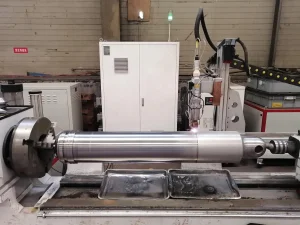
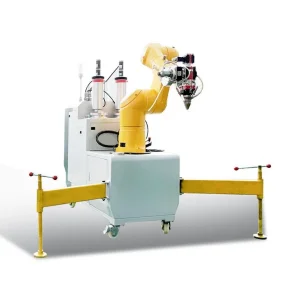
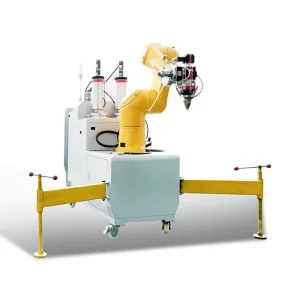
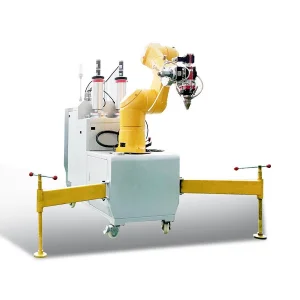
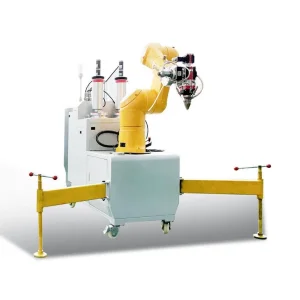
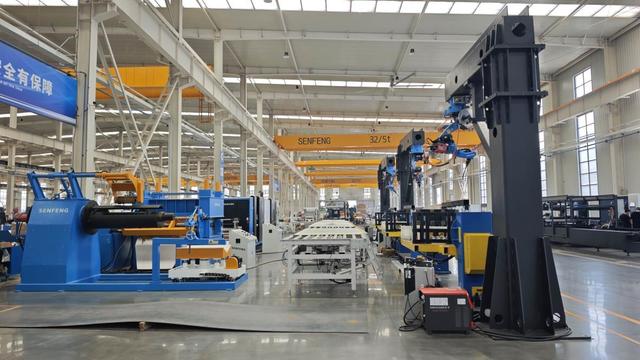
In the Norwegian Continental Shelf (NCS), subsea components face extreme hydrostatic pressures and high salinity. Traditional repair methods are slow and can introduce micro-cracks. Our Mobile Laser Cladding Systems with 6-Axis Robotic Arms allow for on-site, automated repair of critical wear surfaces like riser joints, valve seats, and hydraulic cylinders. This approach minimizes downtime and reduces the risk of subsea leakages.
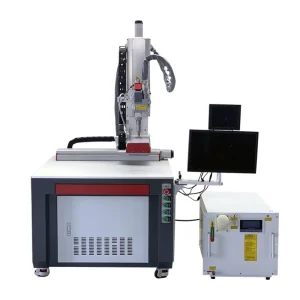
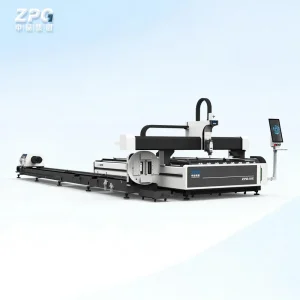
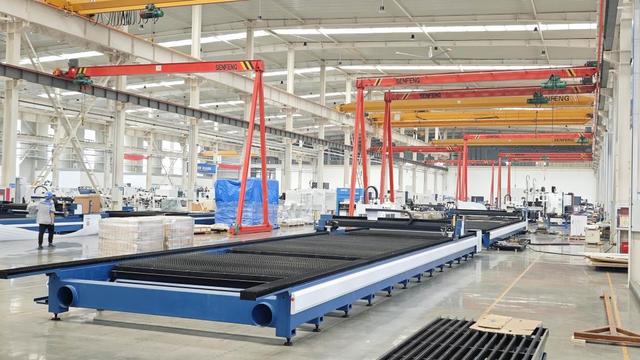
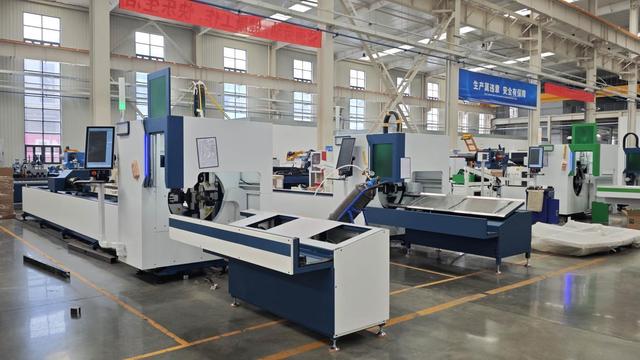
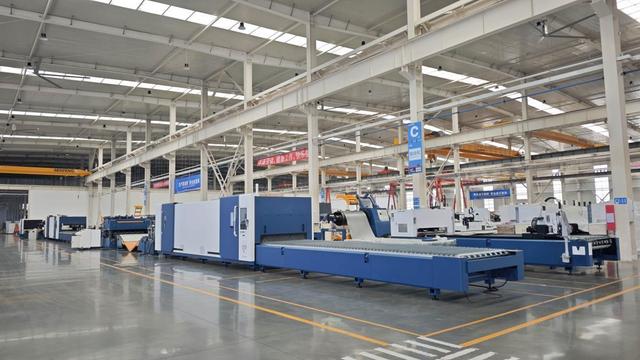
Norway is a leader in zero-emission vessel design and advanced offshore aquaculture cages. Fabricating these structures requires high-precision cutting of thick-walled marine pipes and structural steel plates. The Smart CNC Fiber Laser Plate and Pipe Processing Equipment delivers clean cuts on specialized metals without requiring post-processing edge chamfering, which speeds up assembly lines in local shipyards.
Hydropower supplies over 90% of Norway's electricity, while offshore wind farms are expanding rapidly. The turbine blades and pelton runner buckets in these facilities suffer from cavitation and particle erosion. Deploying targeted laser cladding with high-density carbide powders helps reinforce these components. This extends maintenance intervals and protects municipal power grids from unscheduled shutdowns.
Maintaining supply chain stability is a major priority for Norwegian plant managers. Shanghai Datum Machine Co., Ltd. offers a reliable path to smart manufacturing upgrades. Combining China's agile engineering ecosystem with strict quality control, we deliver robust solutions that reduce the total cost of ownership (TCO) for our customers.
The manufacturing sector in Norway is working to align with national net-zero emissions targets. Conventional hard chrome plating is increasingly restricted under EU/EEA REACH regulations due to its environmental impact. Laser cladding has emerged as a key replacement technology. This clean, additive process produces minimal waste and operates without hazardous chemical baths.
Furthermore, our modern laser systems are designed with smart connectivity options. Built-in IoT modules and diagnostic sensors allow for remote monitoring. This means our engineering teams can assist with optimization and diagnostics from afar, helping Norwegian operators maintain high runtime without relying solely on local service technicians.
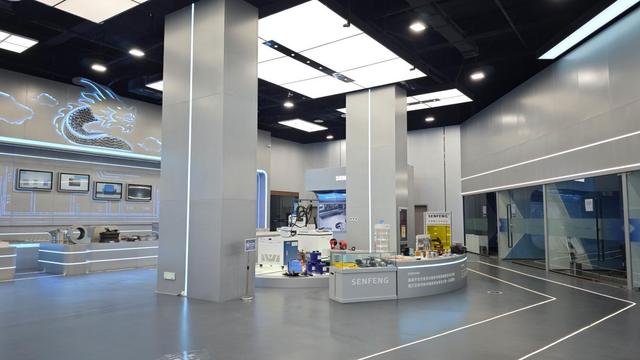
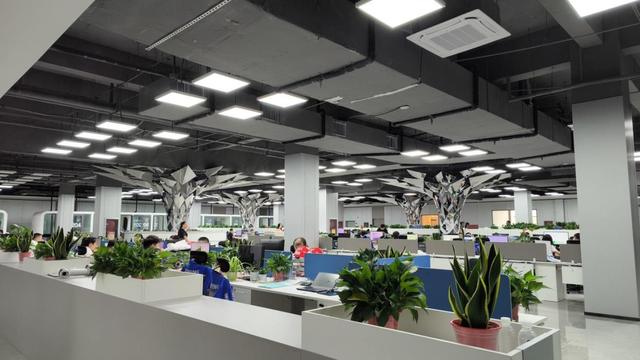
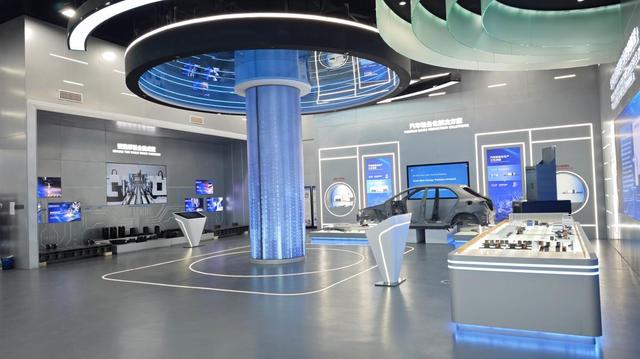
For Norwegian buyers, compliance with local industrial standards is a critical purchasing criteria. All of our laser machinery exported to Norway complies with the European Machinery Directive (2006/42/EC) and carries the CE mark. Additionally, the materials and coatings produced by our laser cladding systems can be configured to align with NORSOK M-501 requirements for offshore applications.
We work with regional distributors and engineering partners across Norway to ensure smooth delivery, installation, and commissioning. From custom PLC configurations to on-site operator training, we provide comprehensive technical support throughout the operational lifecycle.
Can these laser cladding systems work on offshore structures exposed to marine corrosion?
Yes. Our laser cladding systems are designed to deposit corrosion-resistant alloys, such as Inconel 625, Hastelloy, and Duplex Stainless Steels, onto structural bases. This process creates a metallurgical bond with low dilution and minimal heat input, which helps protect marine and subsea parts from chloride stress corrosion cracking (SCC) in the North Sea.
How does the 6-axis robotic mobile system function on-site?
The system features a compact footprint and can be lifted directly onto ship decks or offshore oil platforms. The centralized control system synchronizes the movement of the 6-axis robotic arm with the powder feeder and fiber laser source. This allows for automated cladding and repair of heavy cylindrical structures without needing to transport them back to land.
Do your CNC fiber laser cutters support specialized profiles like offshore steel beams?
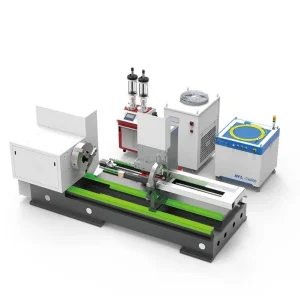
Yes, our multi-purpose CNC fiber laser systems feature advanced rotary chucks capable of cutting round, square, and rectangular structural pipes. The system handles challenging profiles, including structural materials used in offshore marine frames and wind turbine secondary structures.
What safety and environmental certifications do the machines hold?
All systems are manufactured in accordance with ISO 9001 quality management systems. They carry the European CE certification and are equipped with fully enclosed laser safety cabins and integrated exhaust filtration units. This helps keep factory emissions within local Norwegian environmental guidelines.
Ready to optimize your production line with high-precision laser technology?
Send Inquiry Now