Datum Machine
Datum Machine
Datum Machine
The manufacturing sector is undergoing an unprecedented structural transition driven by the demands of Industry 4.0. Central to this transformation is the replacement of legacy thermal fusion methods—such as Gas Tungsten Arc Welding (GTAW) and Shielded Metal Arc Welding (SMAW)—with high-density, automated laser technologies. As modern assembly lines strive for higher throughput, micro-level thermal control, and zero-defect quality standards, finding the right laser welding solutions factory and supplier has transitioned from a routine procurement task to a critical strategic partnership.
Today's global industrial ecosystem demands processing systems that can handle exotic alloys, ultra-thin sheet metals, and complex multi-material joints. Fiber laser systems, operating within the 1064 nm wavelength band, deliver unmatched power density ($>10^6\text{ W/cm}^2$), enabling deep penetration "keyhole" welding with minimal Heat-Affected Zones (HAZ). This technological paradigm shift minimizes structural distortion, eliminates the need for aggressive post-weld machining, and optimizes material utilization. Consequently, key industries—such as electric vehicle (EV) battery manufacturing, aerospace component design, and medical device fabrication—have integrated high-power fiber laser solutions as their core production standard.
Understanding the physics of laser-material interaction is essential to appreciate the superiority of high-end laser systems. Industrial lasers utilize gain media such as Ytterbium-doped optical fibers to produce coherent, monochromatic light. When guided via high-excitation process cables and focused onto a substrate, this light is absorbed by the metal lattice, causing instant melting and vaporizing. This creates a high-pressure plasma cavity (the keyhole) surrounded by a molten pool.
Unlike traditional arc welding, which relies on thermal conduction to transfer heat downwards, keyhole-mode laser welding channels energy directly through the material thickness. The result is an exceptionally high aspect ratio (weld depth to width), achieving minimal heat deposition and preventing mechanical distortion in thin-walled assemblies.
Simultaneously, Laser Cladding Technology offers a powerful method for surface modification. By feeding a metal powder stream (typically cobalt, nickel, or iron-based alloys) through a coaxial nozzle directly into the laser's focal zone, engineers can deposit a metallurgically bonded protective layer onto a base substrate. This layer provides extreme wear, corrosion, and thermal resistance with minimal dilution of the backing material.
By oscillating the beam spot in pre-defined patterns (circles, lines, figures of eight), wobbling heads bridge wider joint gaps, accommodate fit-up tolerances, and refine the microstructure of the weld pool.
Real-time high-speed optical monitoring systems capture keyhole dynamics, surface weld pool profiles, and thermal signatures, automatically flagging defects or deviations in real-time.
By adjusting the intensity profile of the laser spot (e.g., center beam surrounded by an outer ring), DBS minimizes spatter, reduces cracking risks, and stabilizes keyhole behavior in high-speed applications.
To help manufacturing engineers choose the correct technology stack, we have compiled the definitive top 10 laser processing solutions currently dominating the industrial manufacturing landscape:
| Solution Type | Core Application | Key Mechanical Advantage | Primary Power Range |
|---|---|---|---|
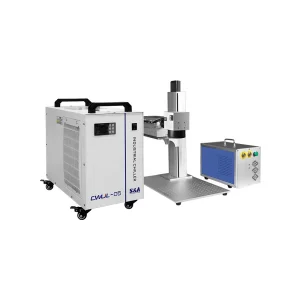
| 1. High-Precision Spot & Seam Welding | Consumer Electronics, Medical Implants | Sub-millimeter weld positioning, no mechanical stress | 150W - 1000W Quasi-CW |
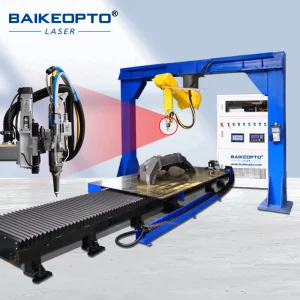
| 2. Multi-Axis Robotic 3D Welding | Automotive Closures, Complex Geometries | Dynamic path tracking with high-speed articulation | 2000W - 6000W Continuous |
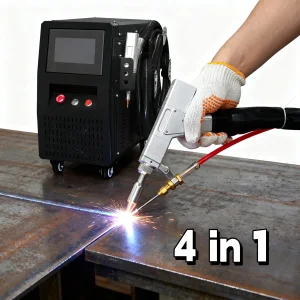
| 3. Handheld 4-in-1 Processing | On-Site Repairs, Custom Steel Shop Fabrication | Highly portable; handles welding, cutting, cleaning, and cladding | 1000W - 3000W Continuous |
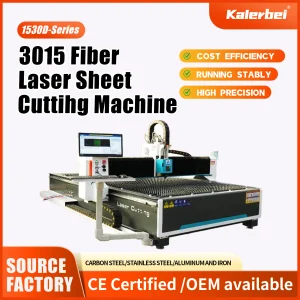
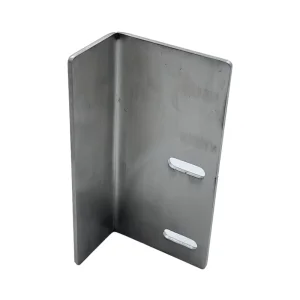
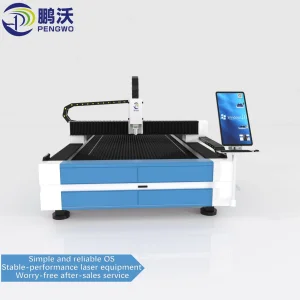
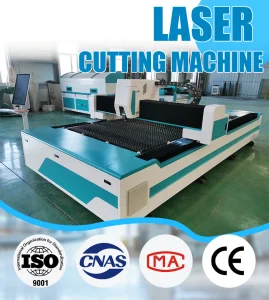
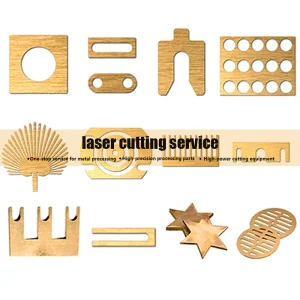
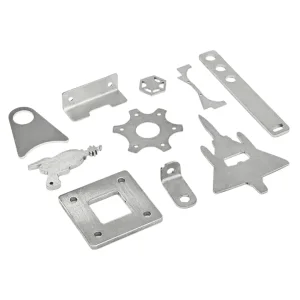
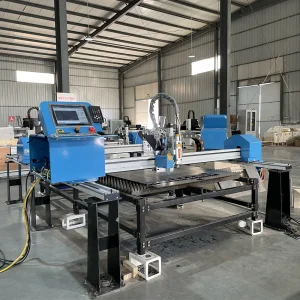
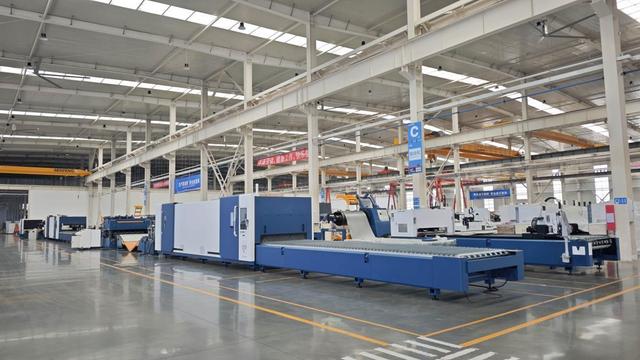
| 4. Automated CNC Sheet Laser Cutting | Job Shops, Structural Bracket Manufacturing | High linear feed rates, clean edges with zero tooling wear | 1500W - 30000W Continuous |
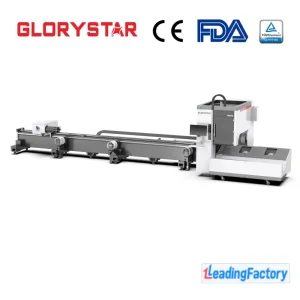
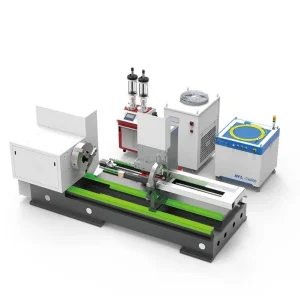
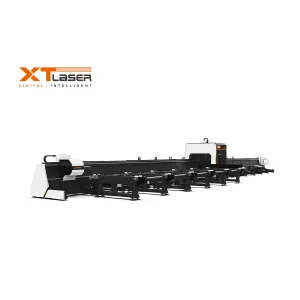
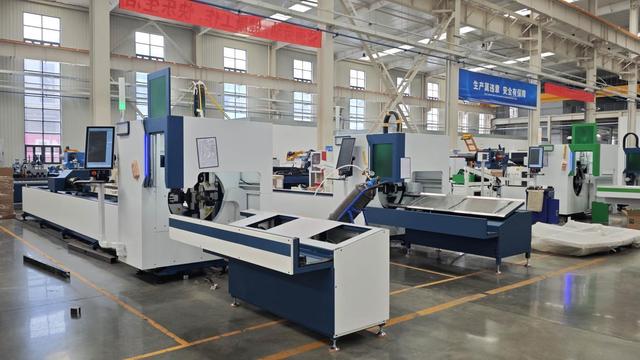
| 5. 3-Chuck CNC Tube & Pipe Processing | Structural Frames, Pipeline Infrastructure | Zero-waste cutting with continuous raw tube feed support | 2000W - 6000W Continuous |
| 6. Heavy-Duty Gantry Laser Solutions | Shipbuilding, Heavy Equipment Frames | Large-format cutting beds ($1500\times3000\text{ mm}$ to $3000\times12000\text{ mm}$) | 3000W - 12000W Continuous |
| 7. Smart Laser Cladding & Surface Hardening | Mining Drill Shafts, Hydraulic Valve Refurbishment | Extremely high metallurgical bond strength, minimal dilution | 4000W - 10000W Direct Diode |
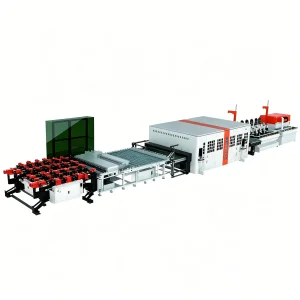
| 8. Automated Glass Fabrication Lines | Architectural Glass, Solar Panels, Photovoltaics | Integrated laser scoring, drilling, grinding, and washing | CO2 / UV Laser Source Options |
| 9. 3D Subsurface Crystal Engraving | High-Value Custom Gifts, Optical Instrumentation | High-speed internal micro-fissure structuring without surface damage | Green Laser / Pulsed Solid State |
| 10. Integrated Smart Factory Custom Systems | Automotive Body-in-White Assembly Lines | Turnkey manufacturing with automated loading, unloading, and inspection | Custom Multi-kW Setups |
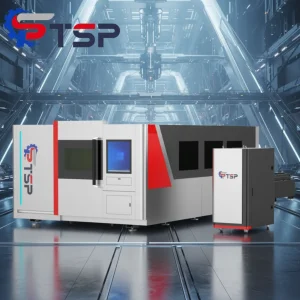
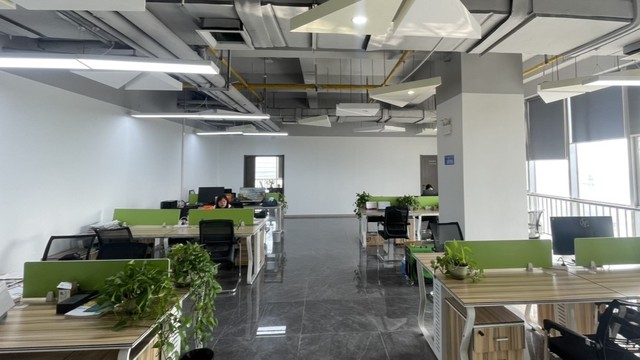
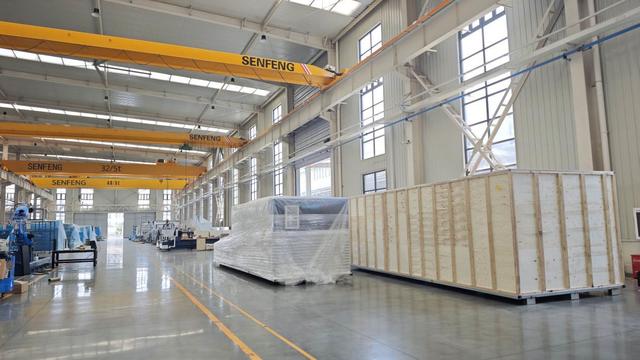
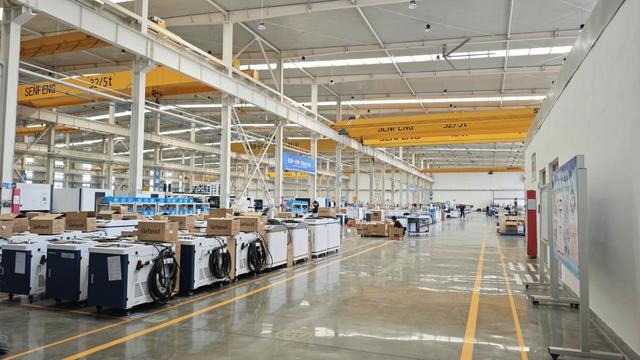
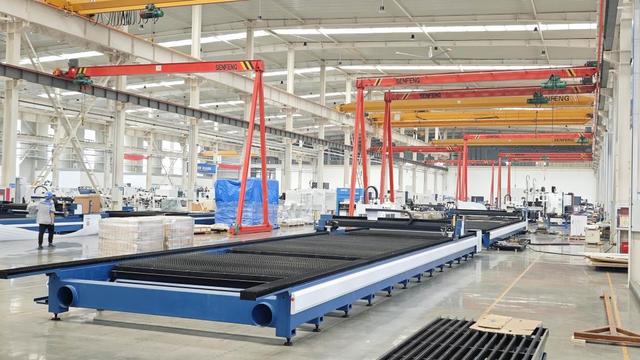
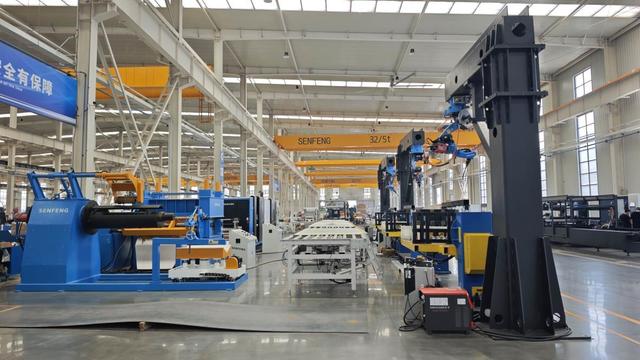
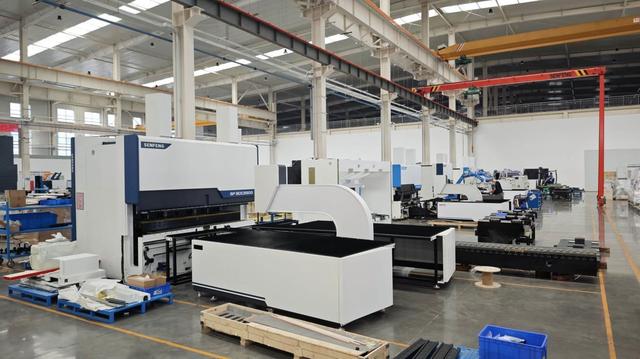
Selecting a supplier for industrial laser equipment requires looking beyond core technical specifications. It demands an evaluation of manufacturing capacity, supply chain resilience, and system integration capabilities. Shanghai Datum Machine Co., Ltd. is a professional China automation laser cutting manufacturer specializing in fiber laser cutting systems, CNC cutting solutions, and smart manufacturing equipment for global industrial customers. With extensive experience in advanced manufacturing technologies, we are dedicated to providing high-performance automation solutions that improve productivity, precision, and operational efficiency across a wide range of industries.
Our product portfolio includes fiber laser cutting systems, CNC laser cutting equipment, tube laser cutting machines, sheet metal processing solutions, robotic laser cutting systems, automated loading and unloading systems, laser production lines, and customized manufacturing automation solutions. Designed to meet the evolving demands of modern factories, our equipment delivers exceptional cutting accuracy, high-speed performance, reduced material waste, and reliable long-term operation.
At Datum Machine, innovation is at the center of our development strategy. Our engineering team continuously integrates intelligent control technologies, automation systems, and advanced manufacturing concepts to help customers build more efficient and flexible production environments. From standalone laser cutting equipment to fully integrated smart factory solutions, we provide comprehensive support tailored to each customer's production requirements.
Quality and reliability are fundamental to our manufacturing philosophy. We maintain strict quality control procedures throughout design, production, testing, and delivery to ensure every system meets international performance and safety standards. Our modern manufacturing facilities and experienced technical team enable us to provide consistent quality and dependable service for customers worldwide.
Serving clients across automotive, metal fabrication, machinery manufacturing, construction, aerospace, electronics, and industrial processing sectors, Shanghai Datum Machine Co., Ltd. has established a strong reputation for advanced technology, customized solutions, and responsive customer support. We are committed to becoming a trusted global partner in automation laser cutting, helping manufacturers achieve higher efficiency, smarter production, and sustainable growth through innovative laser processing technologies.
The development path for industrial laser systems is focusing heavily on sensor-driven intelligence, self-correcting optics, and shorter light wavelengths. These advancements allow manufacturers to process reflective materials with higher consistency and lower energy usage.
Traditional 1064 nm fiber lasers face high reflectivity when processing copper and gold, often leading to back-reflection damage. Short-wavelength blue (450 nm) and green (515 nm) lasers provide up to an 8x increase in energy absorption, enabling stable, spatter-free welding of electrical busbars and micro-electronics.
Integrating machine learning algorithms with coaxial high-speed cameras allows processing systems to adjust parameters like laser power and gas pressure instantly. Real-time path correction helps maintain consistent penetration depths even through variations in raw material compositions.
Combining fiber laser sources with traditional gas metal arc setups allows systems to produce deep-penetration welds across wider gaps. This hybrid approach enables high-speed processing of large structural elements in shipbuilding and heavy automotive applications.
Deploying industrial laser equipment requires strict adherence to regional safety standards and reliable local service access. High-power systems fall under Class 4 laser safety regulations, requiring fully enclosed processing chambers, safety interlocks, and active laser barrier curtains to protect operators.
Shanghai Datum Machine Co., Ltd. ensures global integration compliance by certifying its product line to CE, FDA, UL, and RoHS standards. Additionally, the company provides localized support networks that deliver rapid on-site calibration, remote diagnostics, and prompt spare part deliveries. This support infrastructure helps reduce unplanned downtime and ensures long-term operational reliability for manufacturing partners worldwide.
What are the main operational differences between fiber and CO2 laser systems?
Fiber lasers utilize a solid-state gain medium, operating at a 1.06 µm wavelength that is highly absorbed by metals, allowing for faster processing speeds and lower power consumption. CO2 lasers operate at a 10.6 µm wavelength, making them better suited for thick non-metallic materials like wood, acrylics, and specialized polymers.
How does shield gas selection affect weld bead quality and mechanical strength?
Shield gas protects the weld pool from atmospheric contamination. Argon is standard for general applications due to its excellent plasma suppression qualities. Helium is preferred for high-speed welds requiring deeper penetration, while Nitrogen-Argon blends are commonly used to optimize weld properties in stainless steel alloys.
What maintenance is required to ensure consistent performance from a fiber laser source?
Modern solid-state fiber laser sources are virtually maintenance-free. Regular service focus is placed on external optics, including cleaning the protective window, checking collimating lenses, maintaining coolant conductivity in the water chiller, and verifying that the delivery fiber remains free from tight bends or mechanical strain.
How does dynamic wobbling control help bridge fit-up gaps in structural components?
Dynamic wobbling moves the laser beam in programmed geometric patterns across the joint. This distribution of energy widens the weld pool, allowing operators to bridge inconsistent joint gaps and reduce cracking risks without needing excess filler wire.