Datum Machine
Datum Machine
Datum Machine
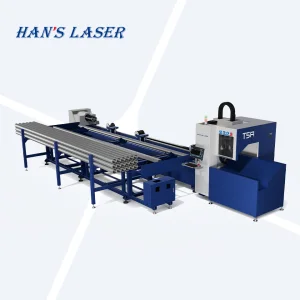
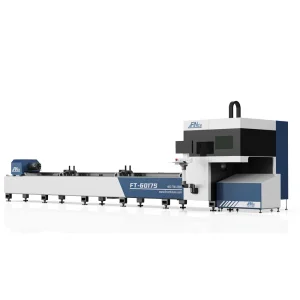
Engineered to meet European safety standards (CE/EN) and designed for precision processing of round, square, and profile tubes.
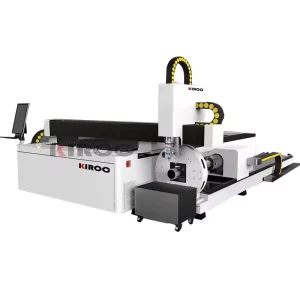
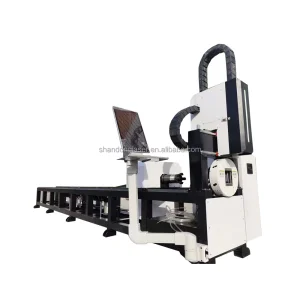
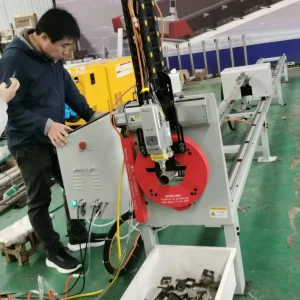
Belgium sits at the logistical heart of the European Union, making its metal fabrication and manufacturing industries crucial nodes in global supply chains. With major hubs like Flanders (Flemish Region) focusing on high-tech engineering and automotive assemblies, and Wallonia maintaining its historic strength in heavy metallurgy and steel processing, the demand for advanced manufacturing equipment has surged. In particular, the shift toward lightweight, high-strength tubular structural parts has accelerated the adoption of automated CNC laser processing equipment.
Historically, Belgian steel yards and custom manufacturers relied heavily on mechanical bandsaws, drilling machines, and plasma cutters. However, the rise of stringent European regulations, such as the EN 1090 structural steel execution standards, coupled with a pressing shortage of skilled machinists and escalating energy costs, has transformed operational priorities. Modern shops in Ghent, Antwerp, Brussels, and Liege are actively replacing legacy machinery with energy-efficient fiber laser tube cutting systems. This allows factories to consolidate multiple processes—such as cutting, slotting, beveling, and hole drilling—into a single automated manufacturing cycle, dramatically reducing overhead and cycle times.
"By integrating automatic optical alignment and multi-chuck processing, Belgian manufacturers are cutting tooling changeover times down by 80% while achieving laser-precision accuracy compliant with strict EU tolerance profiles."
From bus and coach chassis to advanced warehouse racking, Flemish manufacturers demand high-volume, repeatable tube profiling with zero defect rates.
Processing thick carbon steel profiles, structural I-beams, and heavy square tubes requires high-wattage fiber lasers with intelligent chucking systems to support massive loads.
Optimized for Belgian guardrail fabrication, heavy machinery chassis, and architectural structural steel tubing.
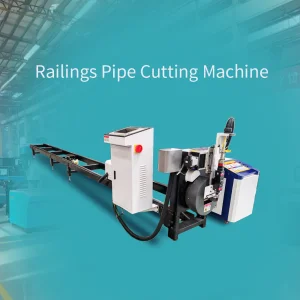
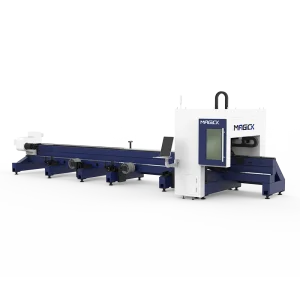
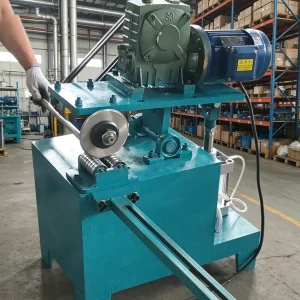
As global industries navigate rising production complexities, manufacturing efficiency has transitioned from a metric of cost savings to a core pillar of survival. China's automation laser cutting manufacturers have achieved a prominent global position by integrating comprehensive local supply chains with massive research and development investments. This clustering effect—particularly in manufacturing regions such as Shanghai—means that premium optical components, intelligent servo motors, ultra-rigid cast frames, and precision bus controllers (like EtherCAT systems) are developed and assembled with unrivaled cost-to-performance metrics.
For Belgian buyers, this translates to accessing cutting-edge technology at a capital expenditure (CAPEX) that permits rapid amortization. Rather than paying premium brand markups that reflect legacy marketing overhead, importing from Shanghai Datum Machine Co., Ltd. grants immediate access to top-tier components like Raytools cutting heads, Cypcut software, and HIWIN guide rails. These systems are produced under strict international quality management parameters, bringing performance parity with traditional European machinery while yielding significant capital flexibility for expanding enterprises.
Furthermore, Chinese laser manufacturing has evolved past pure hardware fabrication into the realm of intelligent software-hardware integration. Modern Chinese laser machines utilize AI-supported nesting algorithms, enabling automated material planning, automatic tube weld seam detection, and automated loading/unloading bundles. This drastically cuts down operator error and material wastage, generating a significant "Information Gain" and operational advantage for manufacturers seeking optimal return on investment.
To support Belgian importers, Shanghai Datum provides full documentation packages, CE conformity certifications, step-by-step commissioning guidelines, and remote diagnostic capabilities. This mitigates the geographical divide, ensuring local factory technicians receive the support needed to maintain high operational uptime.
Discover how modern tube laser processing is reshaping specific business sectors within Belgium's industrial landscape.
Processing I-beams, H-beams, and heavy rectangular structural tubes for infrastructure developments near Antwerp Port and Ghent. Accurate 3D beveling facilitates immediate, defect-free welding on-site.
Cutting high-grade AISI 304 and 316L stainless steel tubes for Wallonia’s pharmaceutical clusters and Flanders' food processing machinery. Nitrogen-assisted cutting prevents oxidation, ensuring food-safe welds.
High-volume processing of structural chassis tubes, roll cages, and exhaust profiles for commercial transit suppliers. Fast, continuous tube loading allows just-in-time logistics fulfillment.
The global tube laser cutting market is undergoing rapid evolution. Key technological advancements include:
Addressing key technical, logistical, and operational questions regarding international procurement and European integration.
To import industrial machinery into Belgium and the wider EU, the equipment must bear the CE Mark, certifying compliance with EU directives including the Machinery Directive (2006/42/EC), Low Voltage Directive (2014/35/EU), and Electromagnetic Compatibility Directive (2014/30/EU). Laser systems specifically must also comply with laser safety standards under EN 60825-1, requiring proper protective enclosures, safety interlocks on access doors, and wavelength-specific viewing windows.
Fiber lasers operate at a wavelength of approximately 1.07 microns, which is 10 times shorter than CO2 lasers (10.6 microns). This shorter wavelength allows for significantly higher absorption rates in metals, particularly reflective materials like aluminum, brass, and copper. In terms of efficiency, fiber systems offer a wall-plug efficiency of 35-40% compared to just 8-10% for CO2 systems. This leads to drastically reduced electricity consumption—a critical cost factor in Belgium. Additionally, fiber lasers utilize solid-state delivery fiber lines, eliminating the need for optical mirrors, aligning procedures, and laser gas mixtures, thus reducing maintenance costs.
A standard two-chuck system holds the pipe at the rear and feed points. When cutting near the ends, a piece of material cannot be supported or fed further, leading to a "tailing waste" of about 150mm to 300mm. A three-chuck system introduces a middle chuck that coordinates dynamically with the front and rear chucks. This permits the material to be fed fully through the cutting area, reducing tailing waste to virtually zero. Moreover, the extra support reduces tube whip and sagging on heavy or long-length profiles, allowing for higher rotation speeds and cleaner cuts across the entire length.
For carbon steel (mild steel), Oxygen (O2) is typically used as the cutting gas because it triggers an exothermic reaction, providing extra energy to melt thicker sections. However, this leaves an oxide layer on the cut edge which must be cleaned before welding or painting. For stainless steel and aluminum, Nitrogen (N2) or High-Pressure Dry Air is used. Nitrogen acts purely as a mechanical force to blow away melted metal without chemically reacting with the material. This produces a bright, oxide-free edge, ideal for pharmaceutical or food-grade applications in the Belgian market.
Automated bundle loaders mechanically separate, lift, align, and load tubes from a storage bundle directly into the feed line of the laser. This process occurs during the active cutting cycle of the previous tube, reducing loading cycle intervals to under 15-20 seconds. Standard loaders handle round, square, and rectangular tubing. For asymmetric profiles, such as L-channels, U-channels, or custom oval shapes, specialized loading designs with optical profile detection sensors are recommended to prevent jamming.
Large CNC laser cutters are shipped via ocean freight. Due to their dimensions, they are secured inside standard 40ft Open Top (OT) or Flat Rack (FR) containers to protect the precision linear components. Ships depart from major Chinese ports, such as Shanghai, and arrive directly at the Port of Antwerp-Zeebrugge. Transit times typically range from 30 to 40 days. Import duties, local VAT, and customs clearance procedures are managed by a registered forwarder, with Shanghai Datum providing all necessary commercial invoices, packing lists, and certificates of origin.
Shanghai Datum offers a comprehensive service structure. Initial commissioning is guided by detailed spatial diagrams, foundation requirements, and digital layout files. Upon arrival of the machine, certified technician teams can be dispatched for on-site calibration, installation, and physical operator training. Additionally, modern control units are connected via secure cloud channels, permitting our engineering center in Shanghai to run diagnostics, adjust parameters, and assist with software nesting issues remotely in real-time.
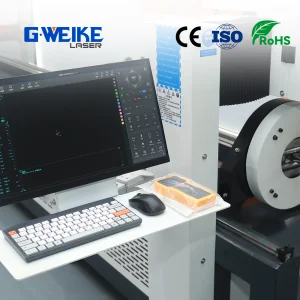
Our systems utilize industry-standard control and nesting packages, primarily Cypcut / TubesT, which support standard industry design file formats. Fabricators can easily export their 3D CAD files (.IGES, .STEP, .DXF, or .DWG) from CAD software such as SolidWorks, AutoCAD, or Tekla Structures, and import them directly into the nesting software. The program automatically calculates optimal path routing, corner decelerations, micro-joint placements, and nest configurations to minimize material waste.
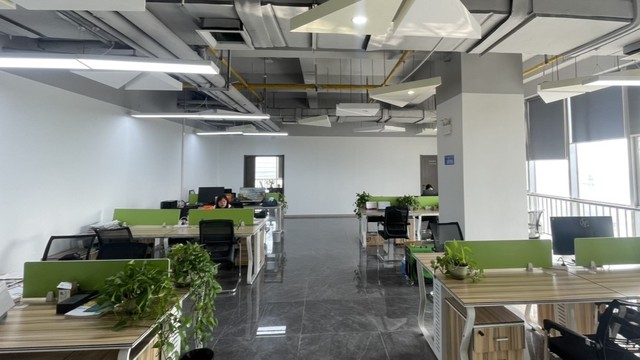
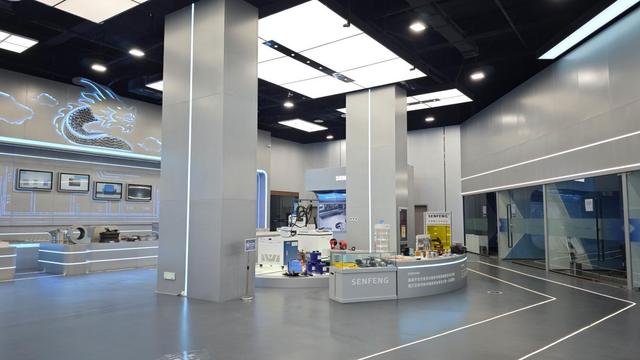
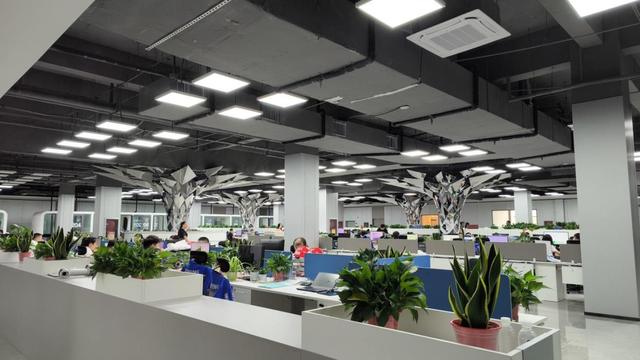
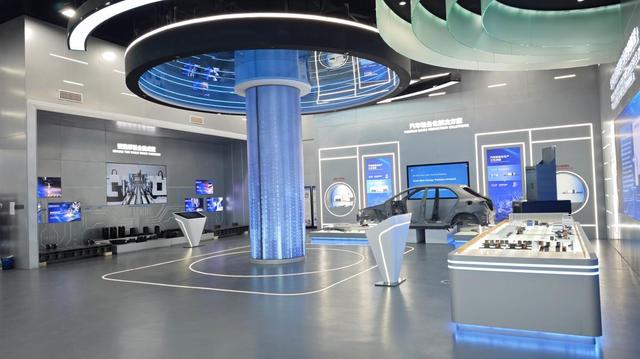
Shanghai Datum Machine Co., Ltd. is a professional China automation laser cutting manufacturer specializing in fiber laser cutting systems, CNC cutting solutions, and smart manufacturing equipment for global industrial customers. With extensive experience in advanced manufacturing technologies, we are dedicated to providing high-performance automation solutions that improve productivity, precision, and operational efficiency across a wide range of industries.
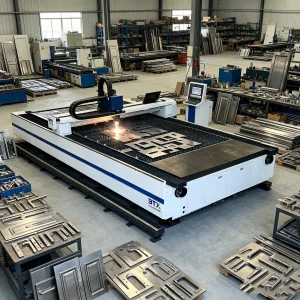
Our product portfolio includes fiber laser cutting systems, CNC laser cutting equipment, tube laser cutting machines, sheet metal processing solutions, robotic laser cutting systems, automated loading and unloading systems, laser production lines, and customized manufacturing automation solutions. Designed to meet the evolving demands of modern factories, our equipment delivers exceptional cutting accuracy, high-speed performance, reduced material waste, and reliable long-term operation.
At Datum Machine, innovation is at the center of our development strategy. Our engineering team continuously integrates intelligent control technologies, automation systems, and advanced manufacturing concepts to help customers build more efficient and flexible production environments. From standalone laser cutting equipment to fully integrated smart factory solutions, we provide comprehensive support tailored to each customer's production requirements.
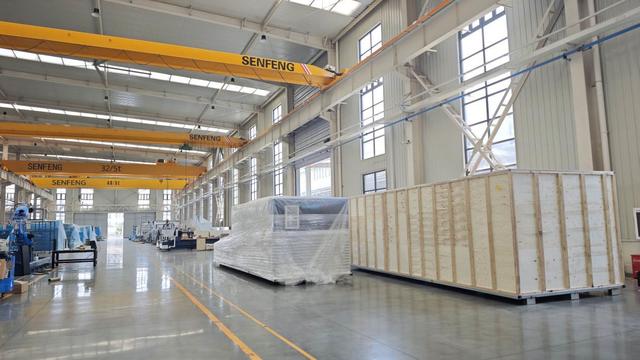
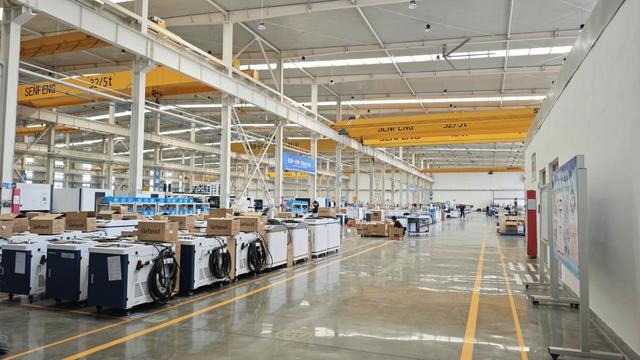
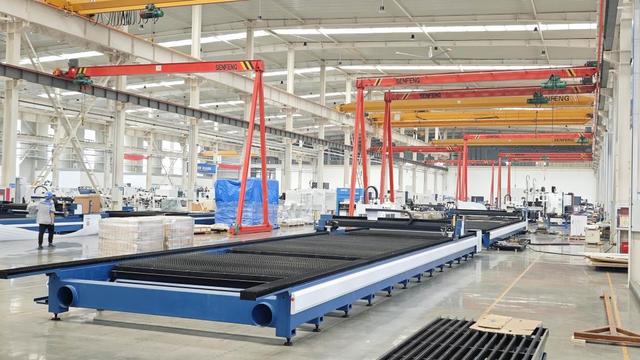
Quality and reliability are fundamental to our manufacturing philosophy. We maintain strict quality control procedures throughout design, production, testing, and delivery to ensure every system meets international performance and safety standards. Our modern manufacturing facilities and experienced technical team enable us to provide consistent quality and dependable service for customers worldwide.
Serving clients across automotive, metal fabrication, machinery manufacturing, construction, aerospace, electronics, and industrial processing sectors, Shanghai Datum Machine Co., Ltd. has established a strong reputation for advanced technology, customized solutions, and responsive customer support. We are committed to becoming a trusted global partner in automation laser cutting, helping manufacturers achieve higher efficiency, smarter production, and sustainable growth through innovative laser processing technologies.
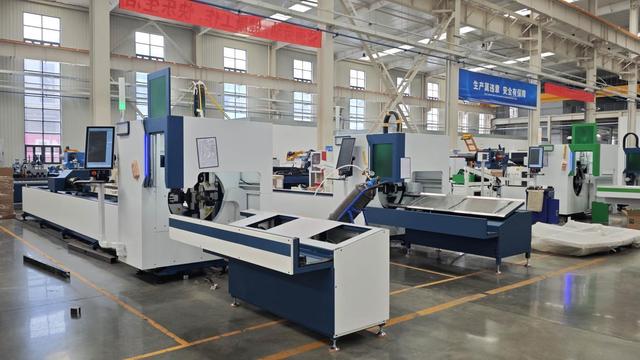
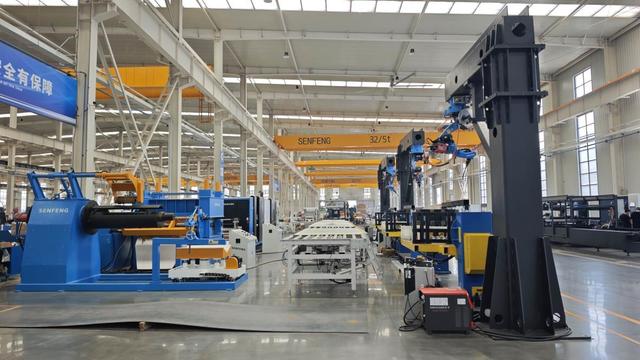
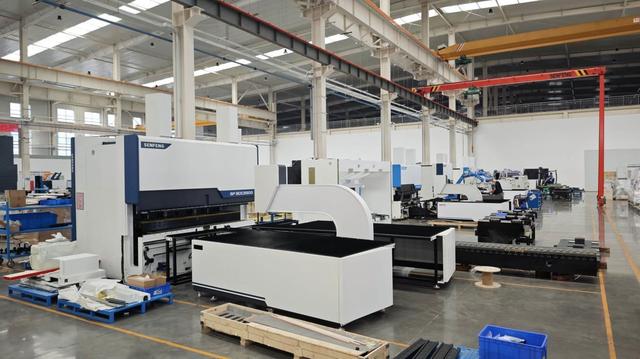
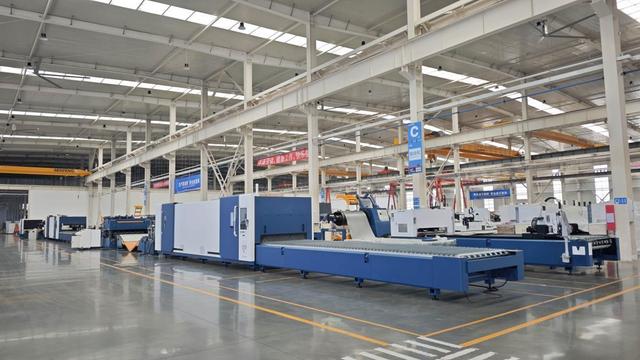
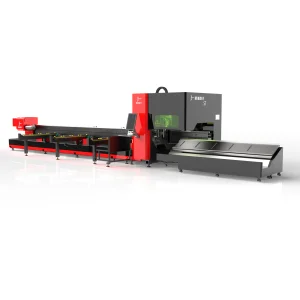
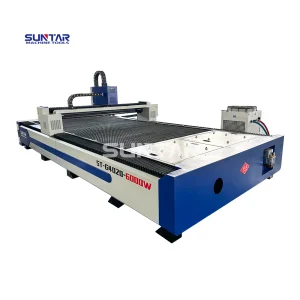
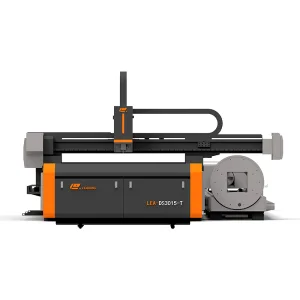
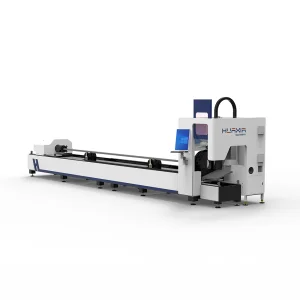
Compare mechanical configurations, structural layouts, and processing powers tailored to European industry demands.