Datum Machine
Datum Machine
Datum Machine
Explore our flagship catalog featuring CE-compliant processing centers, automated kinematics, and robust staging systems.
In the contemporary landscape of high-precision heavy industry, automotive assembly, and complex sheet-metal fabrication, the procurement of laser cutting systems has shifted from evaluating standalone raw performance metrics to analyzing integrated workflow efficiency. Enterprises globally require optimized laser systems that combine superior raw wattages with sophisticated software control, minimized power utilization, and guaranteed regulatory alignment.
Regulatory frameworks such as the European Union's CE (Conformité Européenne) marking act not merely as a passport for import, but as an absolute baseline indicator of mechanical, optical, and electrical design safety. In regions spanning North America, Western Europe, and key manufacturing hubs in Asia-Pacific, procurement managers prioritize suppliers who present unified compliance portfolios. These cover laser radiation hazard mitigations (such as EN 60825-1 protocols), structural vibration dampening, and automated smoke and fume filtration structures.
Information Gain Insight: The optimization of laser cutting is not just about raw optical speed; it is the perfect synchronization of the physical CNC table, the gantry's acceleration coefficients, and the realtime gas-pressure modulation systems. Selecting a CE-marked system guarantees that these sub-elements perform harmoniously without violating safety margins under high-demand multi-shift regimens.
Furthermore, global supply chain disruptions have caused OEMs to seek robust partnerships with suppliers offering complete engineering portfolios—ranging from high-end multi-axis gantry robots to custom-tailored CNC fiber laser cutters. Procurement strategies now actively penalize components that lack documented compliance certificates. Consequently, manufacturers like Shanghai Datum Machine Co., Ltd. align their fabrication methods with international safety directives to simplify import logistics and expedite commissioning times on factory floors.
A comprehensive examination of next-generation laser optimization pathways, intelligent motion stages, and robotic integration.
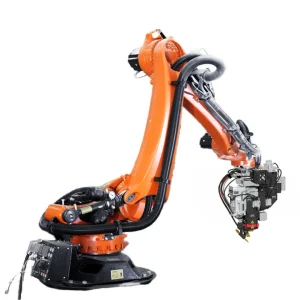
Integrating 5-axis and 6-axis robotic mechanisms (such as KUKA and Fanuc arms) allows complex 3D profiles to be processed with optimized focal heights, ensuring uniform kerf angles across H-beams, U-bars, and curved profiles.
Real-time nesting systems, CypCut control platforms, and intelligent machine interfaces that directly parse CAD files (AI/PLT/BMP) to automatically configure optimal power curves, lead-in angles, and micro-joint connections.
Proportional valve modulation systems that dynamically adjust helper gas mixtures (O2, N2, or clean compressed air) in milliseconds, reducing gas waste by up to 40% while preserving dross-free edge finishes.
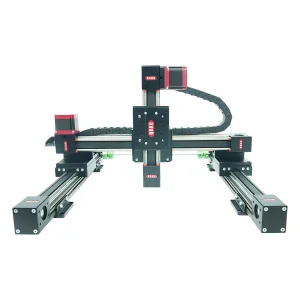
In classical high-speed laser cutting, structural vibration is the primary driver of edge striations and dimensional inaccuracies. Optimized systems rely on high-rigidity structural gantries (often constructed of aerospace-grade heat-treated aluminum) and robust base beds. Linear stages, like the QRXQ RXP-L-45 Gantry Robot XYZ Stage, utilize precision-ground belt guides or high-capacity ball-screws matched with high-resolution stepper or absolute AC servo motors. These mechanical frameworks maintain absolute tracking accuracy even when experiencing acceleration profiles of up to 1.5G.
When executing complex nesting patterns on sheet metals, the CNC controller must look ahead along the toolpath. It applies dynamic deceleration calculations at sharp corners while managing the laser's analog power output. This prevents thermal accumulation at points of trajectory change, eliminating overburn and maintaining consistent structural geometry across thin and thick materials alike.
A CE mark on a fiber laser cutter is not a casual self-declaration; it represents compliance with key EU Directives. For high-power industrial machinery, this requires conformity with:
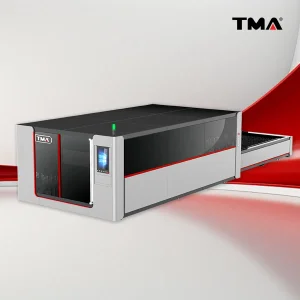
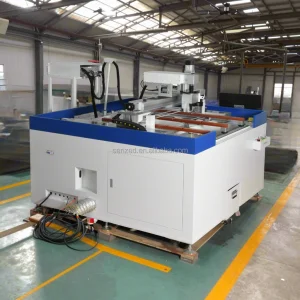
For systems like the P3015 Metal Fiber Laser Cutter or the Smart 4020 6000W Laser Cutting System, this compliance translates to fully enclosed structural bodies, automated exchange tables with light curtain arrays, and safety switches. These switches immediately disconnect the laser's power source if an enclosure door is opened during operation.
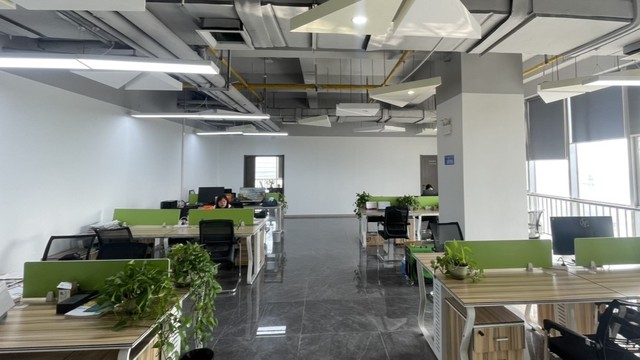
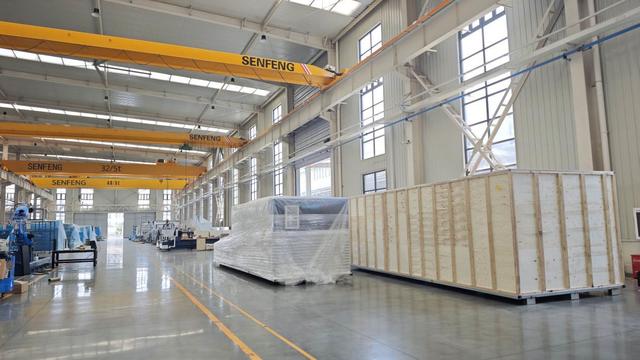
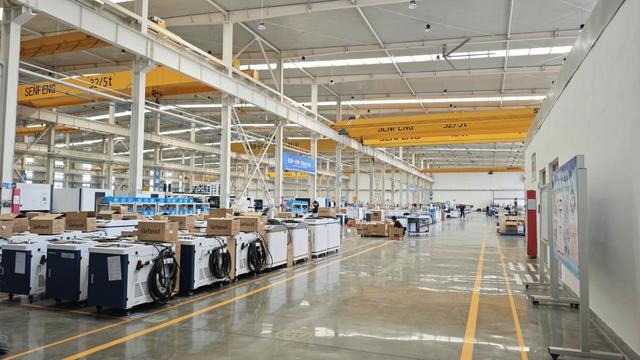
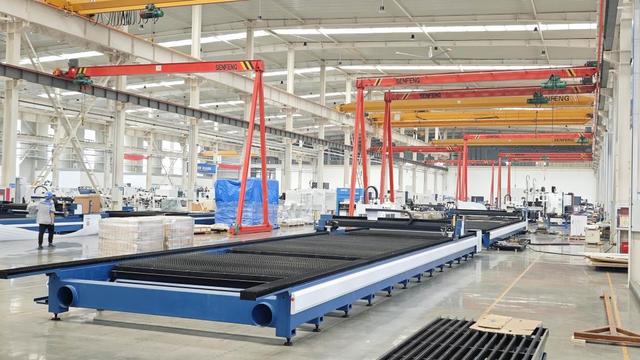
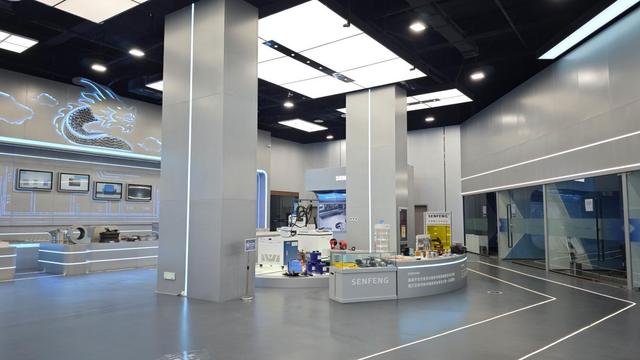
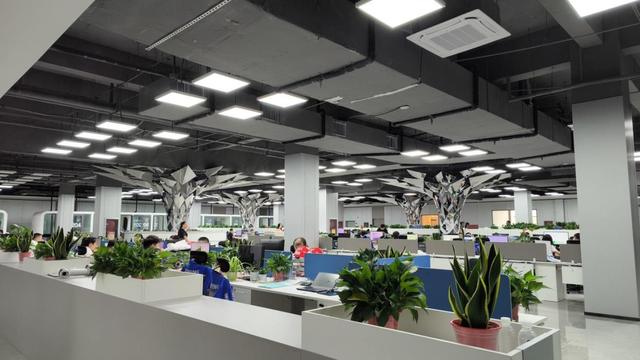
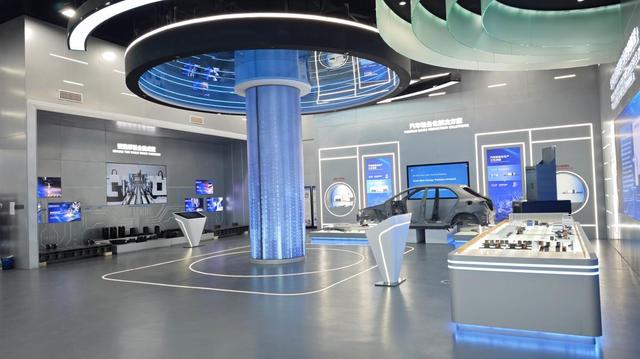
Shanghai Datum Machine Co., Ltd. is a leading China-based manufacturer of automated laser cutting machinery, specializing in high-performance fiber laser systems, advanced CNC solutions, and smart manufacturing equipment. Our engineering team continuously integrates intelligent control technologies and automated systems, enabling industrial plants to transition toward Industry 4.0 standards.
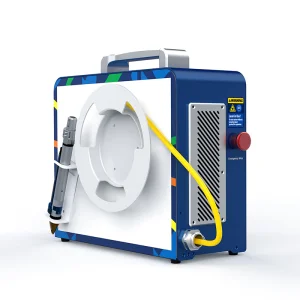
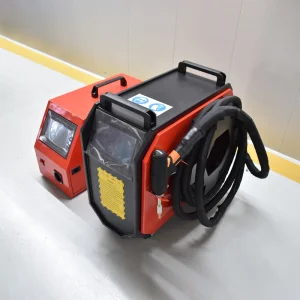
Our comprehensive production facility combines raw steel fabrication, precision machining, structural assembly, and testing. This ensures all equipment—from handheld fiber laser welders to large-scale automated glass cutting lines—meets international performance standards. With an emphasis on research and development, we create custom configurations tailored to various materials, including carbon steel, aluminum, brass, copper, and specialized glass products.
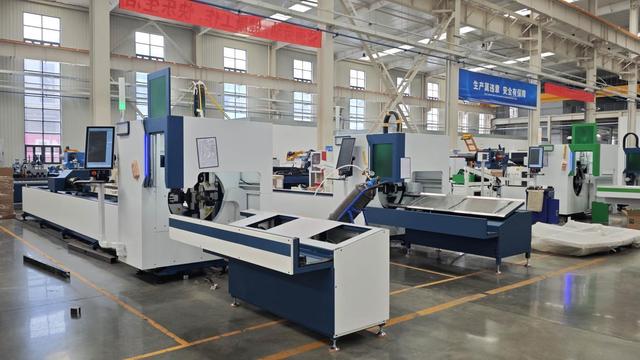
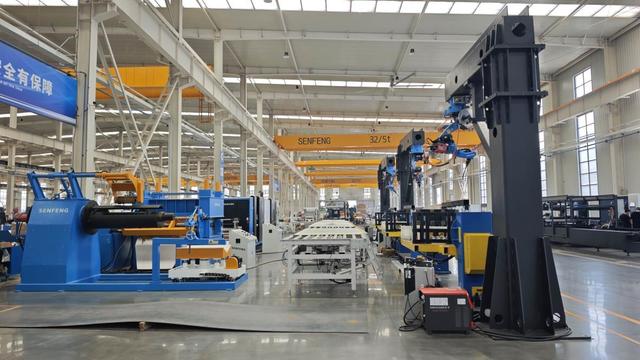
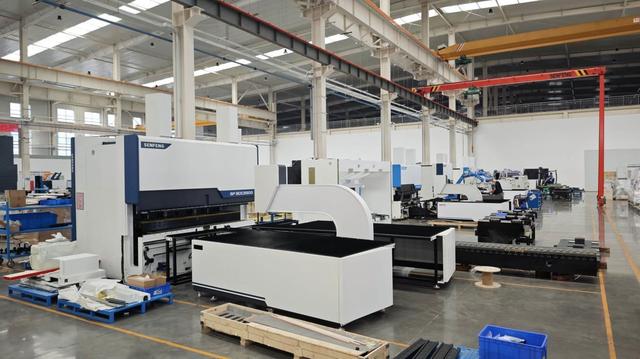
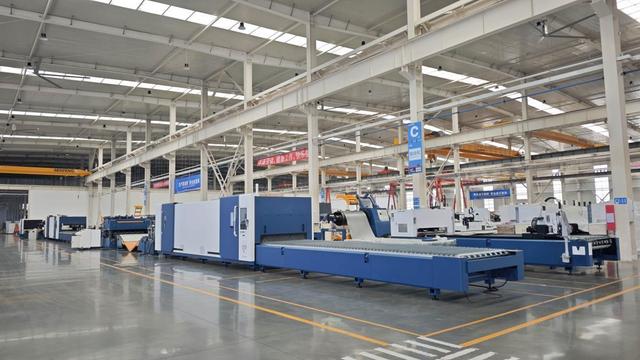
Direct technical explanations addressing structural design, regulatory compliance, and machine selection.
Explore our high-capacity production systems, marking equipment, and industrial robotic welding systems.